
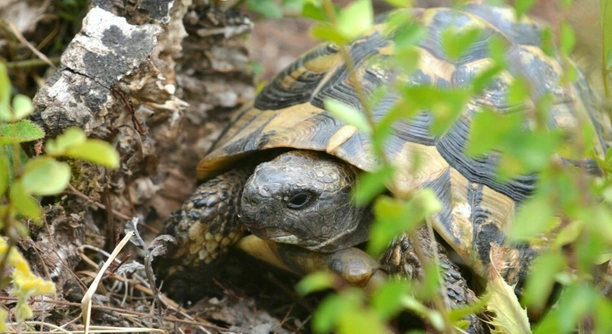
Your Hermann’s tortoise may often be spotted trying to climb walls in its enclosure, but this behavior can be puzzling to owners. It’s important to understand why your tortoise might exhibit this and how to respond.
Tortoises, including Hermann’s tortoises, may attempt to climb walls due to environmental stressors, a desire for exploration, or a lack of adequate stimulation. Their natural curiosity can drive them to seek new spaces, particularly if they feel confined or bored.
The cause of this behavior can often be traced to a few factors, from enclosure setup to the need for mental enrichment.
Why Your Hermann’s Tortoise is Climbing
Hermann’s tortoises are naturally curious creatures, and sometimes this curiosity leads them to try climbing walls. It may seem like an odd behavior, but it can be explained by their instinctual need to explore. In the wild, they navigate various terrains, so a closed enclosure can feel limiting. They may attempt to climb as a way of escaping what they perceive as a restrictive environment. If your tortoise is frequently climbing, it might be a sign that its space isn’t providing enough stimulation.
Climbing is often a way for your tortoise to find something new or interesting. If the enclosure lacks variety in structure or hiding spots, the tortoise will try to break free and discover more.
You can help by offering an enriched environment. Adding branches, rocks, or tunnels for your tortoise to explore will give it more to interact with. It’s also important to ensure the enclosure is large enough for it to roam comfortably. If the space is too small, your tortoise may feel frustrated and engage in climbing.
The Impact of Stress on Climbing
Stress is another factor that leads to wall-climbing behavior. When a tortoise feels threatened or uncomfortable in its environment, it may start seeking ways to escape. This could be due to things like excessive noise, extreme temperatures, or being in an area with too much foot traffic.
Creating a peaceful, consistent environment for your tortoise will reduce stress. A stable temperature and low-stress surroundings will make your tortoise feel more secure and less likely to climb.
Insufficient Space and Stimulation
If your Hermann’s tortoise is confined to a small area, climbing may be its attempt to seek more space. Tortoises need room to move around, and a cramped environment can lead to frustration. Without enough space to explore, they will look for ways to escape.
Enclosures should mimic the natural habitats of tortoises, providing ample room for them to roam. Consider increasing the size of the enclosure or changing its layout to give your tortoise new areas to explore. Adding different textures, such as logs or rocks, can also engage your tortoise’s natural instincts, reducing climbing behavior. Providing a variety of elements for climbing or hiding can distract your tortoise from the urge to escape.
When an enclosure doesn’t allow for much movement, the tortoise’s instinctual need to find new spaces takes over. This behavior is an expression of curiosity but can also signal that the tortoise feels trapped. Ensuring your tortoise’s living area has sufficient space will help ease these tendencies.
Temperature and Lighting Concerns
Temperature plays a major role in the comfort and behavior of your tortoise. If your tortoise is feeling too hot or too cold, it might try to climb the walls of its enclosure as a way to escape uncomfortable conditions. Keeping your tortoise’s environment within the recommended temperature range will help reduce this behavior.
Proper lighting, including UVB light, is essential for your tortoise’s well-being. Inadequate lighting can lead to stress and discomfort, causing your tortoise to act out by climbing. Ensure that the lighting is set up properly and that there are areas with warmth and coolness for your tortoise to choose from. Without proper UVB exposure, your tortoise may be unable to synthesize vitamin D, affecting its overall health and activity levels.
Adjusting the temperature and ensuring proper lighting can make a big difference. If your tortoise feels comfortable, it is less likely to try climbing out of its enclosure.
Boredom and Lack of Enrichment
Boredom can cause a Hermann’s tortoise to engage in climbing behavior. If the enclosure lacks objects to explore or climb, the tortoise may try to escape in search of something new. Providing stimulating activities can help reduce this urge.
Tortoises enjoy foraging, digging, and climbing. Including these activities in their daily routine will prevent boredom. You can add plants, hide food around the enclosure, or even introduce safe, movable objects for climbing. An enriched environment keeps your tortoise active and engaged, preventing unwanted behaviors like wall climbing.
Diet and Nutritional Needs
A poor diet may also lead to unusual behavior. If your Hermann’s tortoise isn’t receiving the right nutrition, it may feel unsettled or stressed. Ensure it’s eating a balanced diet to maintain its health.
A diet rich in leafy greens and calcium is essential for your tortoise’s overall well-being. Without proper nutrients, it could experience discomfort, leading to stress and climbing attempts. A well-rounded diet can improve your tortoise’s mood and behavior, helping it feel more secure in its environment.
FAQ
Why does my Hermann’s tortoise keep trying to climb the walls?
Climbing is often an instinctual behavior driven by curiosity, boredom, or stress. Tortoises are naturally inclined to explore their environment. If they feel confined, they may try to climb walls in search of new areas. It could also indicate an issue with the enclosure size, temperature, or lack of stimulation. Addressing these aspects will help reduce climbing.
How can I stop my tortoise from climbing the walls?
To prevent wall climbing, it’s important to provide more space, stimulation, and proper temperature. Make sure the enclosure is large enough for your tortoise to move around freely. Add rocks, logs, and tunnels to give it plenty of options to explore. Adjust the temperature to make sure it’s comfortable, and consider providing extra light and UVB exposure.
Is my tortoise stressed if it’s climbing the walls?
Yes, wall climbing can be a sign of stress. Tortoises often climb when they feel trapped, uncomfortable, or unengaged. Check the conditions in the enclosure to see if the temperature or lighting is off, and make sure the tortoise has enough room to roam. Stress can be reduced with a more suitable and enriched environment.
Can I use a taller enclosure to prevent my tortoise from climbing?
A taller enclosure might not solve the problem if the underlying issue is space, stimulation, or temperature. While it can prevent your tortoise from physically escaping, it doesn’t address the need for exploration. Focus on creating a stimulating environment and providing adequate space for your tortoise to feel comfortable.
Should I be concerned if my tortoise is climbing often?
If your tortoise is climbing frequently, it’s important to assess the overall setup of its habitat. While occasional climbing may be harmless, constant climbing can indicate discomfort, boredom, or stress. It’s a good idea to check for environmental factors such as enclosure size, temperature, and enrichment to make sure everything is optimal for your tortoise’s well-being.
What are the signs that my tortoise is unhappy?
In addition to climbing, signs of an unhappy tortoise can include refusal to eat, lethargy, excessive hiding, or abnormal behavior like biting or aggressive movements. If your tortoise is showing any of these signs, consider reassessing its living conditions and diet. A proper habitat can make a significant difference in your tortoise’s happiness and health.
Can I use different objects to stop my tortoise from climbing?
Yes, objects like rocks, logs, and branches can help distract your tortoise and reduce climbing. By giving your tortoise something to climb on or explore, it may focus its energy on more appropriate activities. These items also help mimic natural habitats, which can make your tortoise feel more secure and engaged.
How much space does a Hermann’s tortoise need?
A Hermann’s tortoise needs a minimum of 40 square feet of space for one adult. This allows them to move freely and explore. If you have multiple tortoises, you will need to provide even more space. The more room you can provide, the better it will be for their mental and physical health.
Is there a way to reduce climbing without changing the enclosure size?
If enlarging the enclosure isn’t an option, you can still reduce climbing by enhancing the environment with enriching items. Add more hiding spots, plants, and varied surfaces for your tortoise to explore. Introducing new objects, as well as providing opportunities for foraging, will keep your tortoise occupied and less likely to climb.
What temperature should my Hermann’s tortoise’s enclosure be?
The ideal temperature for a Hermann’s tortoise is between 75-85°F during the day, with a basking spot reaching around 95°F. At night, temperatures should drop to around 65-70°F. Maintaining a stable and appropriate temperature is key to your tortoise’s comfort and well-being, which can help reduce climbing behavior.
Can stress cause my tortoise to stop eating?
Yes, stress can lead to a lack of appetite in tortoises. If your tortoise is climbing frequently or showing other signs of stress, it may stop eating. Ensuring your tortoise feels secure, comfortable, and has a proper diet is essential for keeping it healthy and feeding regularly.
Final Thoughts
Understanding why your Hermann’s tortoise keeps trying to climb the walls is essential in creating a suitable environment for it. Tortoises are naturally curious, and if they feel their space is too small or unstimulating, they may try to escape or climb as a way to explore. This behavior can be a sign of stress, boredom, or discomfort, which are often linked to the size of the enclosure, temperature, or lack of enrichment. By making small adjustments to their habitat, you can reduce climbing and help your tortoise feel more comfortable.
The best way to address climbing behavior is to ensure your tortoise has enough space to move around freely. A larger enclosure, filled with natural features such as rocks, branches, and tunnels, can keep your tortoise engaged and reduce the urge to climb. Adding enrichment items like plants or hiding spots can also help. Ensuring your tortoise’s habitat is not only large but also stimulating will make a huge difference in preventing this behavior. Additionally, providing proper temperature and lighting is crucial for your tortoise’s overall health and well-being.
If climbing continues to be a problem despite making adjustments to the enclosure, it’s important to check if there are any other stressors in your tortoise’s environment. Temperature fluctuations, inadequate lighting, or even the presence of other animals can all contribute to climbing behavior. Stress can affect your tortoise’s health and behavior, so creating a calm and consistent environment is key. By taking the time to adjust these factors, you can help ensure that your tortoise is happy, healthy, and comfortable in its home.

Hello,
If you enjoy the content that we create, please consider saying a "Thank You!" by leaving a tip.
Every little bit helps us continue crafting quality advice that supports the health, happiness, and well-being of pets around the world, for pets of all shapes, sizes, and species.
We really appreciate the kindness and support that you show us!