
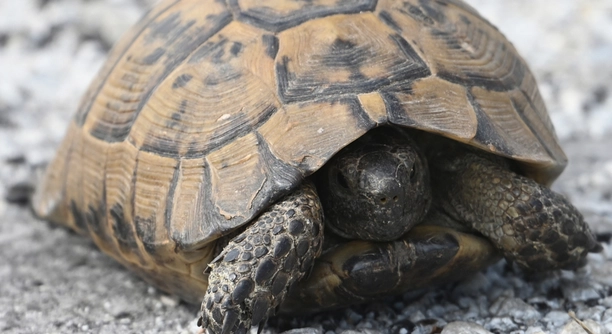
Greek tortoises are unique and fascinating pets, but you might notice your tortoise trying to climb walls or other obstacles. This behavior can be puzzling, especially if you’re unsure of why it happens.
Greek tortoises often try to climb walls due to their natural instincts to explore and find a safe place. They may also be seeking food, warmth, or trying to escape from their enclosure if it feels unsafe.
Understanding why your Greek tortoise climbs can help you provide a better environment for your pet. With a few changes, you can ensure your tortoise feels secure and happy in its home.
1. Exploration and Curiosity
Greek tortoises are naturally curious creatures. In the wild, they roam vast areas, exploring different environments in search of food and shelter. When kept as pets, they still have this strong instinct to explore. Climbing walls could be their way of trying to discover new spaces or areas outside their enclosure. If your tortoise is always on the move, it’s likely driven by this curiosity.
These creatures are especially motivated by any changes in their environment. A new object or even a slight shift in their enclosure can spark their need to explore every corner. It’s important to allow them enough space to roam and engage their curiosity safely. Ensuring your tortoise’s environment feels natural and stimulating can help reduce wall-climbing behavior.
Providing variety in their habitat, like rocks, plants, and safe hiding spots, can keep them entertained. With proper care, your tortoise will have its own space to feel safe and content.
2. Seeking a Safe Space
When tortoises feel threatened or stressed, they look for a safe area to retreat.
If your tortoise feels unsafe in its environment, climbing the walls might be an attempt to escape. It’s not uncommon for them to seek higher ground as a way to avoid potential danger. Adding safe spots and barriers inside the enclosure can help your tortoise feel secure.
Sometimes, stress comes from environmental factors, like excessive noise or sudden changes in temperature. Even a poorly secured lid can make them feel trapped. To calm them, ensure the enclosure is stable, with a consistent temperature and limited external stressors.
3. Inadequate Space
If your Greek tortoise’s enclosure is too small, it may feel confined. Tortoises need room to move around and explore, and if they’re unable to do so, they might try climbing walls as an escape. A cramped space often leads to stress, which can cause abnormal behaviors.
Tortoises naturally seek out larger territories in the wild, so when they are confined to a small area, they may feel restricted. A larger enclosure with ample space for walking and hiding can help reduce climbing. Make sure the space is properly designed, with areas for climbing and burrowing, as this will mimic their natural habitat.
If your tortoise is constantly trying to climb, it might be a sign that it’s not getting enough mental stimulation. A bigger enclosure with varied terrain could help distract it and keep it content. Plus, a bigger space allows for better air circulation, improving their overall well-being.
4. Temperature and Humidity Imbalance
Improper temperature and humidity can also contribute to your tortoise’s wall-climbing behavior. Tortoises rely on heat to regulate their body temperature and stay healthy. If their environment isn’t warm enough, they might try to climb in search of a warmer spot.
If the temperature in the enclosure is too low, your tortoise may climb walls to find heat. Greek tortoises require a basking spot with a temperature around 90°F (32°C). Inadequate heat can cause them to become restless, leading to climbing behavior. Similarly, improper humidity levels can stress them out and affect their overall health, prompting them to act out.
To resolve this, ensure your tortoise’s environment is equipped with a proper heat source and humidity control. Consider using heat lamps and humidity gauges to create a comfortable environment for your tortoise. Proper lighting, along with careful monitoring, can significantly improve your pet’s well-being and reduce unwanted behaviors.
5. Lack of Enrichment
A lack of mental stimulation can make your Greek tortoise restless. If there are no objects or activities to engage with, your tortoise may try to climb out of boredom. Tortoises need more than just food and water to stay happy.
Adding enrichment to the enclosure can prevent climbing. Try providing various textures, like rocks and logs, or hiding food to encourage foraging. A stimulating environment helps your tortoise feel more content, reducing the urge to climb. When they have plenty to do, they’re less likely to seek escape routes.
6. Mating Behavior
During mating season, male tortoises may display increased activity, which can include climbing. They might attempt to climb walls in an effort to find a mate or to impress one. This behavior is common in many species during breeding periods.
Tortoises are territorial and the presence of a female can trigger this type of behavior. Males may also attempt to climb over other objects to get closer to a mate. If you have more than one tortoise, make sure their space is large enough to reduce territorial disputes.
7. Health Issues
Sometimes, wall-climbing may indicate a health problem. If your tortoise is feeling unwell, it may try to escape in an attempt to find a better environment. Pain or discomfort can lead to restless behavior.
If climbing is accompanied by other symptoms, such as lack of appetite or lethargy, it’s important to check with a vet. Illness can lead to abnormal behavior, so getting a professional opinion can help determine if something more serious is going on.
FAQ
Why does my Greek tortoise climb walls at night?
Greek tortoises are crepuscular, meaning they are most active during the early morning and late evening. If your tortoise climbs walls at night, it could be due to its natural nocturnal tendencies. They may be searching for food or exploring their space during quieter, cooler hours. It’s also possible that they are feeling a bit restless or stressed if they are confined in a small space or if their enclosure lacks stimulation.
How can I stop my Greek tortoise from climbing walls?
To reduce wall-climbing, consider adjusting the size and setup of your tortoise’s enclosure. A larger space with more room to explore and hide can help satisfy your tortoise’s curiosity and natural instincts. Adding logs, rocks, or plants will encourage natural behavior and keep it engaged. Make sure the temperature and humidity are appropriate, as discomfort in these areas can lead to climbing.
Is it normal for a Greek tortoise to climb out of its enclosure?
It’s not uncommon for Greek tortoises to attempt to escape from their enclosures. They are naturally curious and might try to climb out if they feel confined or if their environment isn’t stimulating enough. To prevent escapes, ensure the walls of the enclosure are high enough and secure. A proper lid or higher walls should prevent them from climbing out.
What are the signs of stress in a Greek tortoise?
Stress in Greek tortoises can manifest in several ways. Common signs include excessive pacing, wall-climbing, lack of appetite, lethargy, and hiding more than usual. Environmental stressors, such as inadequate temperature, humidity, or space, can cause these behaviors. It’s important to assess your tortoise’s enclosure and make any necessary changes to reduce stress.
Can I add more tortoises to the enclosure if my tortoise is climbing walls?
If your tortoise is climbing walls due to boredom or lack of space, adding another tortoise might seem like a solution. However, introducing a new tortoise can cause stress due to territorial behavior. Greek tortoises are solitary animals, and introducing another tortoise may lead to aggression or stress. Instead of adding more tortoises, focus on providing more space and enrichment to keep your tortoise content.
How do I know if my tortoise is climbing for warmth?
Tortoises, including Greeks, need a basking area to regulate their body temperature. If your tortoise is climbing, it might be trying to reach a warmer spot. Check the temperature in the enclosure to ensure there’s a basking spot of around 90°F (32°C) and a cooler area where your tortoise can retreat. If the temperature is too low, your tortoise might climb in search of warmth.
Do Greek tortoises climb when they are hungry?
Yes, Greek tortoises may climb when they are hungry, especially if they associate climbing with finding food. In the wild, they roam large areas in search of food, so climbing can be a natural behavior linked to foraging. Make sure your tortoise has a steady food supply and is offered fresh, nutritious food regularly to prevent climbing caused by hunger.
Is wall-climbing a sign that my Greek tortoise is unhealthy?
Wall-climbing on its own is usually not a sign of illness, but if your tortoise is also displaying other concerning behaviors like lethargy, lack of appetite, or unusual hiding, it could indicate a health issue. If you notice any of these symptoms alongside wall-climbing, it’s best to have your tortoise examined by a vet to rule out any medical problems.
Can climbing damage my tortoise’s shell or limbs?
Frequent climbing can potentially lead to injuries, especially if your tortoise falls or bumps into hard surfaces. It can strain their limbs or cause abrasions to their shell if they’re constantly trying to scale walls. To prevent injury, make sure your tortoise’s enclosure has soft surfaces and avoid putting sharp or hard objects around the walls.
How do I prevent my tortoise from climbing when I am not home?
When you’re away, the best way to prevent wall-climbing is by providing a safe and comfortable environment. Ensure your tortoise has enough space to move around, explore, and hide. Consider setting up the enclosure with objects that offer stimulation, such as logs, rocks, and plants. Also, check that the temperature and humidity levels are optimal to keep your tortoise calm.
Can I use barriers to prevent my tortoise from climbing?
Yes, barriers can be an effective way to prevent your tortoise from climbing. You can use taller enclosure walls or secure the lid with a strong, tortoise-proof mesh. Ensure that the materials are safe and won’t harm your tortoise. Regularly check the barrier to make sure your tortoise doesn’t find a way to escape.
How much space does my Greek tortoise need to stop climbing?
A Greek tortoise needs at least a 4-foot by 2-foot enclosure for one adult. However, providing a larger space is ideal to satisfy their curiosity and reduce wall-climbing. The more room they have, the less likely they’ll feel the need to climb. Larger enclosures also allow for varied terrain, which helps mimic their natural environment and keeps them mentally engaged.
Final Thoughts
Understanding why your Greek tortoise climbs walls is important for both its physical and mental well-being. Greek tortoises are naturally curious and enjoy exploring their surroundings, but climbing can sometimes be a sign of stress or discomfort. Whether it’s looking for warmth, more space, or simply boredom, addressing the root cause of the climbing behavior can help you provide a better environment for your tortoise. By paying attention to its needs and making the necessary adjustments, you can ensure that your tortoise feels secure and content in its home.
If your tortoise is climbing, it’s essential to evaluate the size and setup of its enclosure. Providing more space, varied terrain, and enrichment can help satisfy its natural instincts and reduce wall-climbing behavior. A proper basking spot with the right temperature and humidity will also make your tortoise feel more comfortable, reducing the need to search for warmth or a better place to hide. When these factors are in balance, your tortoise will likely spend less time trying to escape and more time exploring its safe environment.
It’s also important to keep an eye on your tortoise’s health. If wall-climbing is accompanied by other signs of illness or distress, a visit to the vet might be necessary. By making sure your tortoise has enough space, the right conditions, and is in good health, you can minimize its need to climb. Taking these steps will help create a happier and healthier environment for your Greek tortoise, allowing it to live a long and comfortable life.

Hello,
If you enjoy the content that we create, please consider saying a "Thank You!" by leaving a tip.
Every little bit helps us continue crafting quality advice that supports the health, happiness, and well-being of pets around the world, for pets of all shapes, sizes, and species.
We really appreciate the kindness and support that you show us!