
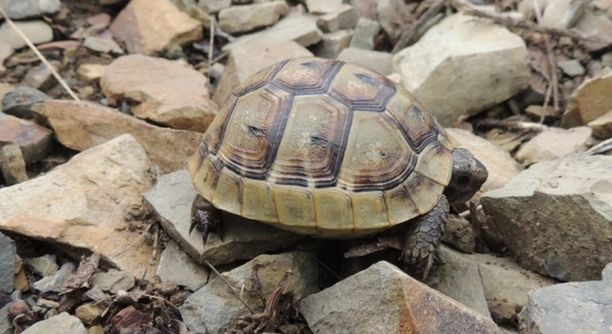
Greek tortoises are known for their independent nature, often spending long hours hidden away in their shelters. If your tortoise is staying in its hide all day, it’s important to understand the reasons behind this behavior.
The main causes of a Greek tortoise staying in its hide all day can be related to environmental factors, stress, health issues, or natural instinct. Proper temperature, humidity, and diet all play crucial roles in their behavior, along with potential health concerns.
Understanding why your tortoise may be hiding more than usual can help you create a better environment for its well-being.
1. Temperature and Humidity Issues
Greek tortoises are sensitive to temperature and humidity levels in their environment. If the temperature is too hot or too cold, or if the humidity is too high or low, your tortoise may seek refuge in its hide to stay comfortable. It’s important to provide a temperature gradient in the enclosure, with a warm basking area and a cooler side, so your tortoise can regulate its body temperature.
It’s also essential to maintain proper humidity levels. Too much moisture can cause respiratory problems, while too little can lead to dehydration. Adjusting the humidity in your tortoise’s habitat will help them feel safe and comfortable.
To create the ideal environment, make sure to use a thermometer and hygrometer to monitor the conditions. This will help you keep the enclosure within the optimal range for your tortoise’s health and well-being, ensuring it stays active and healthy without feeling the need to hide all day.
2. Natural Behavior
Greek tortoises are naturally inclined to hide when they feel the need to rest or avoid perceived threats. In the wild, they would seek shelter in burrows or under rocks to protect themselves from predators and extreme weather conditions. In captivity, this instinct is still present, and your tortoise may hide as a natural response to stress or environmental factors.
While some level of hiding is normal, excessive hiding can signal that something isn’t quite right. If your tortoise is staying hidden more than usual, it could be due to a combination of environmental stress or health concerns. It’s important to observe their behavior closely to determine if there are any patterns or changes that need attention.
By understanding their natural instincts, you can better assess their needs and make adjustments to ensure your tortoise feels secure in its environment.
3. Health Problems
Health issues can also cause your tortoise to spend more time in its hide. If your tortoise is feeling unwell, it may retreat to a dark, quiet space to rest and recover. Common health problems that can cause this behavior include respiratory infections, shell rot, or digestive issues. If your tortoise appears lethargic, has trouble eating, or shows any signs of illness, it’s important to consult a veterinarian as soon as possible.
In addition to physical health problems, stress can also impact a tortoise’s behavior. If the enclosure is too noisy, overcrowded, or if there are frequent changes in its environment, your tortoise may seek refuge in its hide to escape the stress. Ensure that your tortoise’s habitat is peaceful and stable to minimize any unnecessary stressors.
Regular health check-ups and keeping the enclosure calm and consistent can help prevent hiding behaviors that stem from illness or stress.
4. Inadequate Lighting
Proper lighting is essential for a Greek tortoise’s health and behavior. Without the right UVB light, your tortoise may feel disoriented and stressed, leading it to stay hidden. UVB lighting helps your tortoise synthesize vitamin D3, which is necessary for calcium absorption and bone health.
If your tortoise is not getting enough exposure to UVB light, it may feel lethargic, weak, or avoid moving around. It’s crucial to provide a quality UVB light source for about 10-12 hours a day to mimic natural sunlight. Without this, your tortoise’s immune system may weaken, causing it to retreat to its hide.
Additionally, make sure the UVB bulb is positioned correctly and replaced every six months, as they lose effectiveness over time. This will support your tortoise’s overall well-being and help prevent behavior issues like hiding.
5. Mating Behavior
Mating behavior can lead to your tortoise spending more time in its hide. During breeding seasons, tortoises may feel a shift in their routine due to hormonal changes. Even in captivity, this natural cycle can trigger behavior like hiding, restlessness, or increased aggression.
If you have a male and female tortoise in the same enclosure, you might notice that the male becomes more persistent, sometimes causing the female to hide to escape unwanted attention. During this time, your tortoise may retreat into its hide for peace and quiet. You may also notice increased digging behavior.
Creating a more private and comfortable space for your tortoise during mating seasons can reduce stress and help keep your tortoise in a more stable state.
6. Overfeeding
Overfeeding can lead to your tortoise staying hidden more often. When a tortoise is fed too much, it may feel lethargic and lack the energy to move around. This could cause it to retreat to its hide and stay there longer than usual.
Overfeeding can also result in obesity, which may further affect your tortoise’s movement and overall health. It’s important to offer the correct portion sizes based on your tortoise’s age and size. Offering fresh vegetables, grasses, and a balanced diet will help prevent overfeeding and encourage more active behavior.
7. Age and Hibernation Instincts
As tortoises age, their behavior may change. Older tortoises may spend more time in their hide, especially as they begin to slow down. Hibernation instincts may also kick in during colder months, prompting your tortoise to seek out darker, cooler places.
This natural instinct can cause tortoises to appear inactive for extended periods. If the temperature and light conditions in your home trigger these instincts, your tortoise may enter a state of semi-dormancy. You can adjust the temperature in its environment to discourage this behavior if it seems excessive or out of place.
FAQ
Why does my Greek tortoise stay in its hide all day?
There are several reasons your Greek tortoise might stay in its hide all day. Common causes include stress from environmental factors, temperature or humidity issues, health problems, or natural instincts like hibernation or mating behavior. It’s important to check the temperature, humidity, and lighting in the enclosure, as well as monitor your tortoise for signs of illness. If the environment is not right, your tortoise may feel compelled to hide.
How do I know if my tortoise is stressed?
Stress in a tortoise can be caused by various factors, such as loud noises, constant handling, sudden changes in the environment, or overcrowding in the enclosure. Signs of stress include excessive hiding, loss of appetite, increased aggression, and pacing around the enclosure. If your tortoise is stressed, try to create a more peaceful environment by reducing noise and limiting handling. Ensuring that the enclosure provides enough space and proper environmental conditions can also reduce stress.
What is the ideal temperature for a Greek tortoise’s enclosure?
The ideal temperature for a Greek tortoise’s enclosure is around 80-85°F (27-29°C) during the day, with a basking area that can reach 90°F (32°C). At night, the temperature should drop to 70°F (21°C). This range helps your tortoise stay active and healthy. If the enclosure is too hot or too cold, it may retreat to its hide for comfort. Make sure to monitor the temperature with a thermometer to ensure that your tortoise stays within the proper range.
Can a Greek tortoise live with other pets?
It’s generally not recommended to house your Greek tortoise with other pets. Tortoises are solitary animals and can become stressed by the presence of other creatures, especially if those pets are active or curious about the tortoise. Additionally, other pets may view the tortoise as prey or cause accidental harm. It’s best to keep your tortoise in a dedicated enclosure where it can live peacefully without interaction from other animals.
How much should I feed my Greek tortoise?
Feeding your Greek tortoise the right amount is crucial to its health. Overfeeding can cause obesity and inactivity, while underfeeding can lead to malnutrition. A good rule of thumb is to feed your tortoise fresh, leafy greens, weeds, and grasses daily, with a small amount of fruit offered as an occasional treat. The food should make up about 80-90% of their diet, while the rest can be a variety of calcium-rich plants. A balanced diet is key to keeping your tortoise healthy and active.
Is it normal for my Greek tortoise to dig a lot?
Yes, it’s normal for Greek tortoises to dig. Digging is a natural behavior that helps them create burrows for hiding, cooling off, and sleeping. Tortoises may also dig as part of their mating behavior. If your tortoise is digging frequently, it could be a sign that it’s trying to create a comfortable environment. Just ensure that the enclosure has appropriate substrates for digging and is deep enough for your tortoise to feel secure. Excessive digging can also be a sign of stress, so monitor the overall behavior for other indicators of discomfort.
How do I set up the perfect habitat for my Greek tortoise?
To create the perfect habitat for your Greek tortoise, start with an appropriately sized enclosure. A large tank or outdoor pen is ideal, as Greek tortoises require plenty of space to move around. Use a substrate like coconut coir or organic soil for digging. Include a basking area with a heat lamp and UVB light to simulate natural sunlight. Ensure the temperature ranges from 80-85°F during the day with a cooler side at 70°F. Provide a shallow water dish for hydration and a hide for security. This setup will help your tortoise stay active and healthy.
How can I tell if my tortoise is healthy?
A healthy Greek tortoise will be alert, active, and eating regularly. Its shell should be firm and smooth without cracks or soft spots. The eyes should be clear and free of discharge, and the tortoise should be able to move around easily. If your tortoise is hiding excessively, has a lack of appetite, or shows signs of discharge from the eyes or nose, it may have a health issue. Regular check-ups with a reptile veterinarian can help monitor its health and catch any problems early.
Can my Greek tortoise get along with other reptiles?
Greek tortoises are territorial and solitary creatures, which means they may not get along well with other reptiles. In some cases, they might tolerate the presence of other species, but conflicts can arise over space, food, and territory. It’s generally best to house them alone or with other tortoises of the same species. When housing more than one tortoise, make sure there’s enough space to prevent territorial disputes. Always monitor their interactions closely.
What are some common health issues with Greek tortoises?
Common health problems in Greek tortoises include respiratory infections, shell rot, vitamin D3 deficiency, and digestive issues. Respiratory infections are often caused by improper humidity or temperature. Shell rot can result from a dirty environment or injury. A lack of UVB light can lead to vitamin D3 deficiency, affecting bone health. Digestive issues are often related to an improper diet. Regularly inspecting your tortoise and providing proper care can help prevent these issues. If you notice any unusual signs, seek veterinary care immediately.
Why is my Greek tortoise not eating?
Loss of appetite in Greek tortoises can be caused by stress, improper temperature, health issues, or a change in environment. Stress from loud noises, handling, or other animals can make a tortoise lose interest in food. Temperature issues, especially a temperature that’s too high or low, can also reduce appetite. If the enclosure conditions are correct and there’s no visible stress, your tortoise may be ill. It’s important to monitor your tortoise’s behavior and consult a vet if the issue persists.
Final Thoughts
Understanding why your Greek tortoise stays in its hide all day is essential for providing proper care and ensuring its well-being. There are several factors that can cause your tortoise to seek shelter in its hide, from environmental conditions like temperature and humidity to natural behaviors. It’s important to check if the enclosure’s environment is suitable, as changes in lighting, temperature, or stress can affect your tortoise’s activity level. Monitoring your tortoise’s behavior and adjusting the habitat accordingly can help create a comfortable space for it to thrive.
If your Greek tortoise is consistently hiding, it could be a sign of stress, illness, or environmental discomfort. However, hiding is also a natural instinct for tortoises, especially when they feel the need to rest or cool off. Ensuring your tortoise’s habitat is properly set up with adequate heat, UVB lighting, and space can minimize stress and promote a healthier environment. While it’s important to provide a hide for security, it’s also crucial to create a balance where the tortoise can stay active and healthy.
Regular observation and care are key to understanding your tortoise’s needs. If you notice any concerning signs, such as changes in appetite, behavior, or overall health, it’s best to consult a veterinarian. Greek tortoises require specific care and attention to maintain their health, so investing time in creating the right environment will lead to a happier, healthier pet. By staying proactive about their needs, you can ensure your tortoise lives a long and healthy life.

Hello,
If you enjoy the content that we create, please consider saying a "Thank You!" by leaving a tip.
Every little bit helps us continue crafting quality advice that supports the health, happiness, and well-being of pets around the world, for pets of all shapes, sizes, and species.
We really appreciate the kindness and support that you show us!