
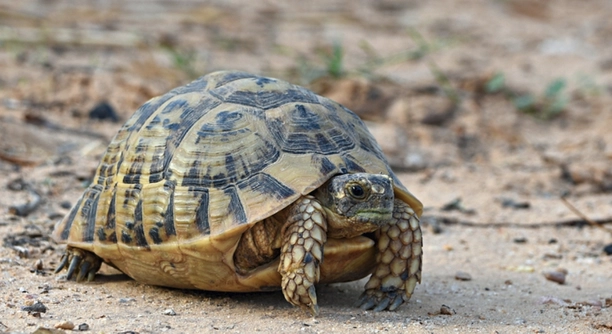
If you own a Greek tortoise, you may have noticed its legs sticking out while it sleeps. It’s a common behavior that can raise some questions for tortoise owners. Understanding this behavior can help you provide better care for your pet.
Tortoises sleep with their legs sticking out as part of their normal resting position. This behavior could indicate comfort, temperature regulation, or natural instinct. In some cases, it can also be a sign of stress or a health issue.
Knowing why your tortoise sleeps this way can help prevent any worries. There are several possible reasons behind this habit that every tortoise owner should understand for their pet’s well-being.
1. Comfort and Resting Position
When a Greek tortoise sleeps with its legs sticking out, it may simply be in a comfortable position. Tortoises are not the most active sleepers, and they often stretch out while resting. By extending their limbs, they may feel more relaxed, as it gives them a chance to distribute their weight evenly. This is natural and can be observed when they sleep in their burrows or during other resting times. It’s important to note that these animals have limited flexibility, so their resting positions can look a bit awkward but are typically harmless.
While it may seem unusual, the position itself doesn’t always indicate a problem. If your tortoise seems relaxed and doesn’t show any signs of distress or discomfort, it is likely just finding a position that feels safe. Most of the time, there is no need for concern.
However, if you notice any signs of pain or abnormal behavior, it’s a good idea to keep an eye on your tortoise’s sleeping habits. Changes in their sleeping posture could indicate other factors like health issues.
2. Temperature Regulation
Tortoises rely on external heat sources to regulate their body temperature. Sleeping with their legs sticking out may be a way to help with heat distribution. If the environment is too hot, they may extend their legs to cool off. Conversely, they might retract them when they want to conserve warmth. This is a natural instinct to stay within the optimal temperature range.
Maintaining the right temperature in your tortoise’s environment is key. A basking spot that is too warm or too cold can lead to discomfort and health problems. Tortoises have temperature preferences and may adjust their body position to regulate themselves.
Understanding the temperature needs of your pet can prevent temperature-related stress. Ensure there is a suitable temperature gradient in their enclosure so they can choose where they feel most comfortable. This also allows them to rest and sleep in positions that help with their natural temperature regulation.
3. Stress or Anxiety
Stress can cause your tortoise to sleep in strange positions, including extending its legs. A change in environment, a loud noise, or an unfamiliar presence may lead to anxiety. Your tortoise may be trying to feel secure by spreading out its limbs, which is a natural coping mechanism.
Stress can cause a tortoise to feel uneasy, which may affect its sleeping patterns. If your pet is exposed to stress for an extended period, it might start sleeping more frequently or in awkward positions. It’s important to observe any behavioral changes to determine if stress is the issue.
If your tortoise seems unusually nervous or doesn’t sleep well, try to pinpoint any sources of anxiety. Keeping its habitat quiet and stable will help prevent this behavior. It’s also a good idea to avoid sudden changes in its living space, as this can contribute to stress.
4. Injury or Pain
If your tortoise is sleeping with its legs extended out in an odd way, it could be due to pain or injury. In some cases, tortoises stretch out their limbs to alleviate discomfort. Any signs of abnormal posture should be looked at carefully.
Injury might not always be immediately obvious, but your tortoise may adjust its sleeping habits to reduce pressure on a sore spot. If a leg is injured, the tortoise may stretch it out to avoid putting weight on it. Watching for other signs of pain, like limping or reluctance to move, can help identify if injury is the cause.
It’s essential to observe your tortoise’s behavior. If it’s consistently stretching its legs out and showing signs of discomfort or pain, a vet visit is recommended. Minor injuries may heal on their own, but proper care is crucial to avoid complications.
5. Lack of Space
If your tortoise doesn’t have enough space to move around, it may resort to sleeping in an unusual position. A cramped environment can cause your tortoise to feel restricted, leading to awkward sleep postures. It’s important that they have enough room to stretch and feel comfortable.
Providing ample space in the enclosure allows your tortoise to sleep in a more natural position. A too-small habitat might force your pet into uncomfortable positions as it tries to make room. Ensure that its enclosure is large enough to support its size and provide room for movement.
6. Age-Related Changes
As tortoises age, they may become less flexible and have difficulty adjusting their body position while resting. This could explain why an older tortoise might sleep with its legs out. Aging tortoises often sleep more deeply and might not shift around as much during rest.
Older tortoises are more likely to spend their time resting and stretching out their limbs in ways that may look awkward. With age, they may also experience reduced muscle tone and joint flexibility, making certain sleeping positions more comfortable. Monitoring for any signs of stiffness or discomfort is important for aging tortoises.
7. Natural Behavior
Tortoises, like many reptiles, may naturally extend their limbs while resting. This is especially true if they are in a secure and familiar environment. Stretching out during sleep is often just part of their natural behavior and doesn’t indicate any health concerns.
FAQ
1. Why does my Greek tortoise sleep with its legs sticking out?
A Greek tortoise may sleep with its legs sticking out for several reasons, such as comfort, temperature regulation, or natural behavior. If your tortoise is in a relaxed state, stretching its legs may help distribute its weight evenly, allowing it to rest more comfortably. Additionally, they may extend their limbs to regulate their body temperature, as tortoises rely on external heat sources to stay warm. If the environment is too hot or too cold, they may adjust their body position to achieve a more comfortable temperature.
2. Can stress cause my tortoise to sleep in unusual positions?
Yes, stress can cause your tortoise to sleep in unusual positions. Changes in their environment, loud noises, or unfamiliar surroundings can lead to anxiety, and they may adjust their sleeping posture as a way of coping. Stretching out their legs can sometimes be a sign they are trying to feel secure. It’s important to observe your tortoise’s behavior and make sure it feels safe in its habitat. Keeping its environment calm and stable can help minimize stress.
3. How can I tell if my tortoise is in pain?
If your tortoise is sleeping with its legs extended in an odd way, it could be trying to avoid putting pressure on a sore area. Signs of pain might also include limping, reluctance to move, or changes in its eating habits. If your tortoise consistently adopts strange sleeping positions and shows signs of discomfort or injury, it’s important to seek veterinary attention. Minor injuries may heal with time, but proper care and observation are crucial to ensure your tortoise’s well-being.
4. Should I be concerned if my tortoise sleeps with its legs out?
In most cases, a tortoise sleeping with its legs extended is not a cause for concern, especially if it’s otherwise healthy. Tortoises often adopt this position naturally as part of their resting behavior. However, if you notice any other unusual signs, such as lethargy, loss of appetite, or difficulty moving, it may indicate a health issue. Keeping an eye on your tortoise’s overall behavior and physical condition will help you determine whether a visit to the vet is necessary.
5. How much space does my Greek tortoise need?
Greek tortoises need a spacious environment to feel comfortable and safe. A cramped enclosure can lead to stress and discomfort, potentially causing your tortoise to sleep in odd positions. A general rule is to provide at least 4 square feet of space per tortoise in the enclosure. If you have more than one tortoise, you should increase the space accordingly. A larger area allows your tortoise to move around freely, stretch its legs, and rest in a more natural position.
6. Can aging affect my tortoise’s sleep position?
Yes, as your tortoise ages, it may experience reduced flexibility, which can affect its sleeping position. Older tortoises may not shift or adjust their limbs as easily, causing them to sleep with their legs extended or in a more awkward posture. It’s important to monitor your older tortoise for any signs of stiffness or pain. Providing a warm and comfortable environment, as well as regular check-ups with a vet, can help ensure your tortoise remains healthy as it ages.
7. How do I know if my tortoise’s behavior is normal?
To determine if your tortoise’s behavior is normal, observe its eating habits, movement, and overall activity level. A healthy tortoise should be active, curious, and eat regularly. Sleeping with its legs out is normal behavior, but if you notice your tortoise becoming unusually lethargic, losing appetite, or displaying signs of pain or injury, it’s important to consult a vet. Regular monitoring of your tortoise’s behavior and keeping its environment stable will help ensure its well-being.
8. Can a Greek tortoise sleep too much?
While tortoises are naturally inclined to sleep, excessive sleeping can sometimes indicate a health problem. If your Greek tortoise is sleeping far more than usual, or if it seems lethargic and unresponsive when awake, this could be a sign of an underlying issue such as an infection, improper temperature, or metabolic problems. Make sure your tortoise has a proper light and heating system in its enclosure, and consult a vet if there are any concerns about its sleep patterns or health.
9. Is it okay to let my tortoise sleep outside?
It is generally okay to allow your tortoise to sleep outside, provided the conditions are safe. Greek tortoises are accustomed to outdoor environments, but their enclosure should be predator-proof, temperature-controlled, and offer shelter from extreme weather. If the weather is too cold or too hot, it’s better to bring your tortoise indoors to maintain its comfort and health. Make sure the outdoor habitat has enough space, and your tortoise has access to water, food, and safe hiding spots.
10. Should I be concerned about my tortoise’s sleeping position?
If your tortoise regularly sleeps with its legs outstretched and seems content, there’s usually no reason to worry. However, if this sleeping behavior is paired with signs like loss of appetite, changes in movement, or signs of injury, it might be a good idea to seek veterinary advice.
Final Thoughts
In most cases, a Greek tortoise sleeping with its legs extended is completely normal. Tortoises are known for their unique and often strange sleeping positions, which can sometimes be a cause for concern if you’re not familiar with their behavior. However, stretching out their legs during sleep can be a sign of comfort, relaxation, or even temperature regulation. As long as your tortoise seems healthy, active, and isn’t showing any signs of pain or discomfort, there’s usually no reason to worry.
It’s important to keep in mind that every tortoise is different. Some may prefer to sleep in a more tucked position, while others will stretch out their limbs naturally. Watching for other signs of health, such as eating habits, movement, and overall energy levels, can give you a better understanding of your tortoise’s needs. If there are any changes in its sleeping habits or behavior, it’s always a good idea to consult a vet. This will help ensure that your tortoise remains happy and healthy.
Overall, paying attention to your Greek tortoise’s behavior and providing a comfortable, stress-free environment can go a long way in preventing any issues. A spacious enclosure, proper temperature regulation, and a quiet, safe space will help keep your tortoise content. If you ever feel uncertain or notice any troubling signs, don’t hesitate to seek advice from a veterinarian to ensure your pet’s well-being.

Hello,
If you enjoy the content that we create, please consider saying a "Thank You!" by leaving a tip.
Every little bit helps us continue crafting quality advice that supports the health, happiness, and well-being of pets around the world, for pets of all shapes, sizes, and species.
We really appreciate the kindness and support that you show us!