
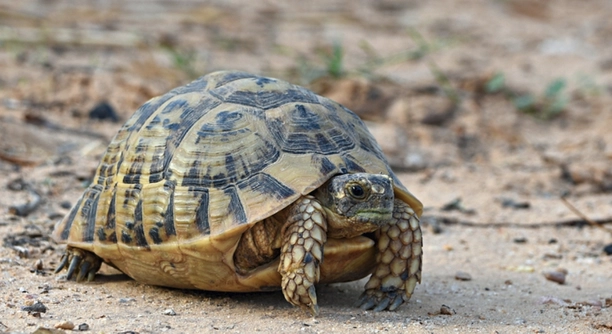
Greek tortoises are known for their peaceful and often sleepy nature. If you’ve noticed your pet sleeping more than expected, it may be a concern. Understanding why this occurs is essential for your tortoise’s well-being.
Greek tortoises typically sleep a lot due to factors like temperature, humidity, diet, or health issues. A cooler environment or inadequate lighting can cause lethargy. In some cases, it may also indicate a medical condition or improper care.
Several causes can explain excessive sleep in Greek tortoises, which can help in identifying the right approach to improving their care.
Temperature and Lighting Issues
A common reason why Greek tortoises sleep so much is due to temperature and lighting problems in their habitat. These reptiles require a warm environment to stay active and healthy. If the enclosure is too cold or lacks adequate lighting, your tortoise may become sluggish. Proper heat lamps and UVB lighting are essential for their overall well-being. Without the correct temperature gradient, they may enter a state of hibernation or appear overly sleepy.
The ideal temperature for a Greek tortoise’s habitat should range between 75-85°F during the day. At night, it can drop to around 65°F. Providing a basking spot with a temperature of 90-95°F will also encourage your tortoise to remain active.
Inadequate lighting can also contribute to lethargy. UVB light helps tortoises absorb calcium, which is crucial for their bone health and energy levels. Without this light, your tortoise may not get the nutrients it needs, leading to fatigue and excessive sleep. Ensure your tortoise’s environment is both warm and well-lit to maintain its health and energy.
Diet and Hydration
Diet and hydration play a significant role in your tortoise’s activity levels. If your Greek tortoise is not getting the proper nutrients, it can lead to sleepiness. A lack of calcium, protein, or fiber can cause sluggish behavior.
Greek tortoises need a high-fiber, low-protein diet to thrive. Leafy greens, such as dandelion leaves, collard greens, and clover, should make up the majority of their food. Avoid feeding them fruits and vegetables high in sugar, as these can cause digestive issues and lethargy. A proper diet helps maintain their energy and encourages more active behavior.
Water is also crucial for your tortoise’s health. Dehydration can lead to weakness, causing your tortoise to sleep more. Provide fresh water in a shallow dish, and ensure your tortoise has access to it throughout the day. If your tortoise isn’t drinking enough water, try soaking it in warm water for 20-30 minutes to help with hydration.
Health Issues
Health problems can lead to excessive sleep in Greek tortoises. If they are ill, they may become lethargic and sleep longer than usual. Respiratory infections, parasites, or metabolic bone disease can cause these issues. Regular check-ups with a vet can help identify any underlying health concerns early.
If your tortoise seems to be sleeping more and has reduced appetite or difficulty moving, it could be a sign of illness. Check for any visible symptoms like swelling, runny nose, or unusual behavior. Metabolic bone disease, often caused by a lack of calcium or UVB light, is common in tortoises. It affects their bones and energy levels, making them sleep more.
Parasites like worms can also lead to lethargy. These are typically transmitted through contaminated food or water. If your tortoise has been outside or is living in an unclean environment, it could pick up parasites, leading to fatigue and loss of appetite. A vet can perform tests and offer treatments to address the problem.
Hibernation or Brumation
If your tortoise is sleeping excessively during cooler months, it might be preparing for hibernation or brumation. Greek tortoises, like many reptiles, tend to slow down and sleep more in colder temperatures. This behavior is part of their natural cycle.
Hibernation and brumation are periods of dormancy that help tortoises conserve energy. In the wild, these tortoises go into hibernation when temperatures drop, usually during winter. In captivity, the cooler environment or lack of light can trigger the same behavior. During this period, the tortoise may eat less or sleep a lot to preserve energy.
However, brumation in captivity can be tricky. If the environmental conditions aren’t controlled properly, your tortoise could stay inactive for too long, which can harm its health. It’s important to monitor their temperature and light conditions to ensure they don’t remain dormant for too long.
Inadequate Space
If your Greek tortoise has limited space, it may become stressed or lethargic. Tortoises need plenty of room to roam and explore. A cramped enclosure can cause them to sleep more, as they don’t have enough physical or mental stimulation to stay active.
A larger habitat encourages natural behaviors and promotes activity. If your tortoise’s enclosure is too small, consider upgrading it to a bigger tank or an outdoor space. Make sure it has areas for basking, hiding, and moving around. Tortoises that feel restricted often sleep more due to stress or boredom.
Stress from Handling
Excessive handling can stress your tortoise, leading to increased sleep. Tortoises are naturally solitary creatures and may feel overwhelmed by constant interaction. When stressed, they tend to retreat and rest more to recover.
It’s important to provide your tortoise with quiet, peaceful time in its environment. Handle them gently and infrequently to avoid causing unnecessary stress. If you must move them, make sure it’s done in a calm manner. Allow your tortoise to explore its habitat at its own pace without interference.
Poor Substrate Choice
Using the wrong substrate can also contribute to your tortoise’s lethargy. Some bedding materials can irritate your tortoise’s skin or make it uncomfortable, leading to increased sleep.
Choose a substrate that’s soft, absorbent, and easy to clean. Avoid materials that could cause respiratory issues, such as pine or cedar shavings. Instead, use materials like coconut coir, grass hay, or organic soil. Proper bedding promotes a healthier and more comfortable environment, encouraging activity and reducing unnecessary sleep.
Why is my Greek tortoise sleeping so much?
Greek tortoises can sleep a lot due to various factors such as improper temperature, lighting, or diet. They also tend to sleep more if they are feeling stressed, unwell, or preparing for brumation. It’s important to check their habitat to ensure that it meets their temperature and lighting needs, as well as providing them with proper nutrition and a stress-free environment. Regular vet check-ups can help identify any health issues contributing to their lethargy.
How do I know if my Greek tortoise is sick?
Signs of illness in a Greek tortoise include lethargy, loss of appetite, labored breathing, nasal discharge, or abnormal behavior. If your tortoise is sleeping excessively and showing any of these symptoms, it’s time for a vet visit. Illnesses such as respiratory infections, parasites, or metabolic bone disease can cause lethargy. Prompt attention to these signs is essential to prevent further health problems.
Is it normal for my Greek tortoise to sleep during winter?
Yes, it is normal for Greek tortoises to sleep more during colder months as they enter a form of hibernation called brumation. During this time, their metabolism slows down, and they eat and move less. However, they should not remain inactive for extended periods if kept in captivity. Ensure their environment remains at a suitable temperature, and monitor them regularly to avoid any health risks related to prolonged dormancy.
How can I make sure my Greek tortoise gets enough UVB light?
Providing proper UVB light is crucial for your tortoise’s health. UVB helps them synthesize vitamin D3, which is necessary for calcium absorption and overall well-being. Ensure your tortoise has access to a UVB light that covers the entire basking area, and replace the bulb every 6-12 months, as UVB output decreases over time. A combination of natural sunlight and artificial UVB lighting can help keep your tortoise active and healthy.
What should I feed my Greek tortoise to keep it active?
A proper diet is key to preventing lethargy. Greek tortoises thrive on a high-fiber, low-protein diet. Offer leafy greens like collard greens, dandelion leaves, and clover, as well as grasses and weeds. Limit the amount of fruits and vegetables that are high in sugar. Providing a balanced diet helps maintain their energy levels and overall health. Don’t forget to provide fresh water daily to prevent dehydration, which can also cause lethargy.
How often should I handle my Greek tortoise?
Greek tortoises do not require frequent handling. Overhandling can cause stress, leading to increased sleep and other health issues. Limit physical interaction to avoid overwhelming your tortoise. If you do handle your tortoise, keep the sessions short and gentle, allowing your tortoise to feel secure and comfortable in its environment. Provide time for your tortoise to roam freely in its habitat without unnecessary disturbance.
Can my Greek tortoise get too much sunlight?
While Greek tortoises need plenty of sunlight for health, too much direct exposure without shade can cause overheating and dehydration. Always provide a shaded area in the enclosure where your tortoise can retreat to if it becomes too warm. Avoid excessive direct sunlight, especially during the hottest part of the day, as it can lead to heat stress. Monitor the temperature closely to ensure it stays within a safe range.
What is the ideal temperature for my Greek tortoise’s habitat?
The ideal temperature for a Greek tortoise’s habitat should range from 75°F to 85°F during the day, with a basking spot that reaches around 90-95°F. At night, the temperature can drop to 65°F. These temperatures help mimic the natural environment of a Greek tortoise, allowing it to stay active and healthy. Use a thermometer to ensure that the enclosure remains within these temperature ranges, and adjust the heating as necessary.
How can I tell if my Greek tortoise is dehydrated?
Signs of dehydration in a Greek tortoise include lethargy, dry skin, sunken eyes, and a lack of appetite. If you notice these symptoms, it’s important to address the issue quickly by providing water and soaking your tortoise in warm water for 20-30 minutes. Keeping your tortoise hydrated will help maintain its energy levels and prevent health problems related to dehydration.
Can stress cause my Greek tortoise to sleep more?
Yes, stress is a common cause of increased sleep in Greek tortoises. Stress can be triggered by factors like frequent handling, loud noises, overcrowding, or an unsuitable environment. If your tortoise seems more tired than usual, consider whether it is experiencing stress. Creating a calm, quiet environment with proper space and conditions can help reduce stress and encourage more normal activity levels.
It is normal for Greek tortoises to sleep more than other pets, especially if they are kept in a suitable environment. Factors such as temperature, lighting, and diet play a significant role in regulating their activity levels. In most cases, if a tortoise is sleeping too much, it may be due to inadequate conditions or stress. Ensuring that their habitat is spacious, well-lit, and offers a proper temperature gradient can help maintain a healthy sleep-wake cycle. Regular vet check-ups can also be helpful in addressing any underlying health issues.
However, while sleep is a natural part of a Greek tortoise’s behavior, it’s important to differentiate between healthy rest and signs of illness or stress. If your tortoise is showing other symptoms such as loss of appetite, abnormal behavior, or changes in the shell, it’s essential to consult a vet. Illnesses like respiratory infections or parasites can cause lethargy. Additionally, improper diet or dehydration can lead to increased sleep and other health problems. Monitoring your tortoise’s behavior and physical condition is crucial to ensuring its well-being.
In conclusion, understanding the reasons behind your Greek tortoise’s sleep patterns can help you create a better environment for it to thrive. By addressing factors like habitat conditions, diet, and stress, you can improve your tortoise’s activity levels and overall health. Regular care and attention to their needs will ensure that your Greek tortoise remains active, healthy, and happy.

Hello,
If you enjoy the content that we create, please consider saying a "Thank You!" by leaving a tip.
Every little bit helps us continue crafting quality advice that supports the health, happiness, and well-being of pets around the world, for pets of all shapes, sizes, and species.
We really appreciate the kindness and support that you show us!