
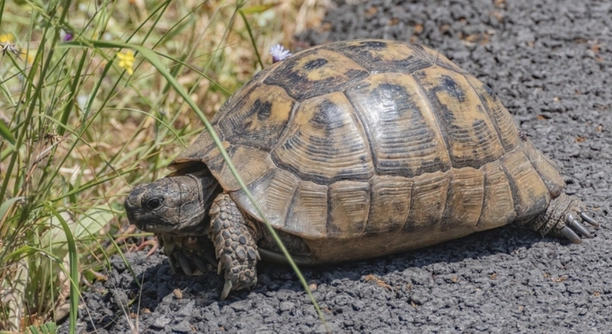
Sometimes, when observing your Greek tortoise, you might notice it shaking its legs while walking. This behavior can be puzzling and may raise concerns about its health or well-being.
The leg shaking of your Greek tortoise could be due to several factors, including a natural walking pattern, environmental stress, or underlying health issues. It’s essential to pay attention to its behavior for signs of discomfort or illness.
Understanding these causes will help you keep your tortoise comfortable and ensure it stays healthy. Let’s explore the reasons behind this behavior in more detail.
Natural Walking Movement
It’s possible that the shaking of your Greek tortoise’s legs is just a part of its natural movement when walking. Tortoises are not known for their fluid, graceful strides, so slight leg tremors can occur, especially when they’re adjusting their gait. This behavior isn’t always a sign of a problem but could be due to the way the muscles are being used during walking. Over time, you might notice that the shaking becomes less noticeable as the tortoise becomes more comfortable in its environment.
It’s important to observe your tortoise’s overall activity to see if this is consistent. If the shaking is minor and doesn’t seem to affect its movement, it’s likely just part of its walking style.
However, if the shaking becomes more pronounced or seems to be causing distress, it’s a good idea to monitor other signs of health issues. Healthy tortoises may still exhibit minor tremors during walking without it being a major concern. Keeping track of any changes in behavior will help you assess if there’s a bigger issue.
Environmental Stress
Environmental stressors, such as temperature fluctuations or loud noises, can cause your tortoise to become uneasy and exhibit shaking while walking. These stress factors may be affecting your pet’s comfort level.
When exposed to stress, tortoises may act differently, including trembling or shaking while moving around. If you suspect environmental stress, consider whether the area is too hot or cold. Tortoises need a specific temperature range to stay healthy, so it’s vital to maintain a stable, comfortable environment for them to thrive.
Malnutrition or Poor Diet
If your Greek tortoise is not getting the proper nutrition, it could lead to leg tremors or other physical issues. Tortoises need a balanced diet rich in fiber, calcium, and other essential nutrients. A lack of these nutrients might cause weakness or shaking in their legs.
A diet lacking in calcium can lead to metabolic bone disease, which affects their ability to walk properly. The absence of essential vitamins and minerals can also weaken the muscles and bones. Ensure you are providing the right mix of leafy greens, vegetables, and calcium supplements to keep your tortoise healthy.
An improper diet can also cause dehydration, another potential cause of leg shaking. A dehydrated tortoise may show signs of fatigue or difficulty moving. Hydration is just as important as food, so make sure your tortoise has constant access to clean, fresh water. Without proper hydration, it might have trouble walking, which can lead to trembling or shaking.
Illness or Injury
Health issues such as infections, parasites, or physical injuries can also cause leg shaking in your Greek tortoise. If the leg tremors appear suddenly or worsen, it’s a good idea to check for any signs of illness.
Infections, especially those affecting the respiratory or digestive systems, can make your tortoise feel weak. If your tortoise is shaking its legs and also showing signs of lethargy, runny nose, or abnormal behavior, it might be ill. Parasites, such as worms or mites, can also make a tortoise uncomfortable and weak. Physical injuries from falls or rough handling might also cause trembling.
If you suspect illness or injury, it’s important to consult a veterinarian who specializes in reptiles. They can properly diagnose and treat any health issues your tortoise might be facing. Keeping your tortoise’s environment clean and safe helps prevent injuries and illnesses.
Age-Related Tremors
As your Greek tortoise ages, it’s natural to see some physical changes, including tremors or shaking while walking. Older tortoises may have weaker muscles or joints, leading to a more noticeable shake when they move around.
Age-related tremors are generally nothing to worry about unless they become more severe. You might notice the shaking more when your tortoise is trying to move faster or is being more active. While this can be normal, it’s important to keep track of any other signs of decline in its health.
Temperature Imbalance
Tortoises are cold-blooded animals, so they rely on external temperatures to regulate their body heat. If your Greek tortoise’s environment is too hot or too cold, it may shake as a result of discomfort.
Ensure that the enclosure has a proper temperature gradient so your tortoise can move to the ideal spot when it needs warmth or coolness. Incorrect temperatures could lead to stress, making your tortoise appear shaky or uneasy.
FAQ
Why is my Greek tortoise shaking its legs while walking?
Leg shaking in Greek tortoises can happen for a few reasons. It could be a normal part of their walking pattern, especially if they’re still adjusting to new surroundings. Sometimes, the shaking may be a sign of stress or discomfort, especially if environmental factors like temperature or noise are affecting them. Health issues, such as metabolic bone disease or dehydration, can also cause this behavior. If the shaking is severe or accompanied by other symptoms like lethargy or appetite loss, it’s best to consult a vet.
Can my Greek tortoise shake its legs due to injury?
Yes, injury can cause leg shaking in your Greek tortoise. If it has recently fallen or been handled roughly, it might experience some muscle soreness or discomfort, leading to tremors. A visible injury like a limp or swelling could indicate that something’s wrong. If the leg shaking persists or gets worse, it’s essential to have your tortoise checked by a veterinarian to rule out serious issues like fractures.
What should I do if my Greek tortoise keeps shaking its legs?
If the shaking persists, start by monitoring the environment. Ensure that temperatures in the enclosure are stable and within the proper range for your tortoise. Next, evaluate its diet, making sure it’s getting enough calcium, fiber, and water. If environmental and dietary factors seem fine, but the leg shaking continues or worsens, seek advice from a vet to check for underlying health problems.
Is leg shaking normal for a young Greek tortoise?
Young Greek tortoises may occasionally shake their legs as they adjust to their surroundings or as part of their development. Their muscles and coordination are still growing, so slight shaking can be normal. However, if the shaking is constant or severe, it could indicate an underlying issue, such as dehydration or poor diet, and should be addressed.
How do I know if my tortoise’s leg shaking is from stress?
If your Greek tortoise is shaking its legs due to stress, you might notice other signs, such as retreating into its shell, not eating, or staying inactive for long periods. Stress can also be caused by sudden changes in the environment, such as loud noises, a change in habitat, or a temperature fluctuation. Keeping the environment calm and consistent can help reduce stress and eliminate leg shaking related to it.
Can leg shaking be a sign of metabolic bone disease?
Metabolic bone disease (MBD) can cause leg shaking in tortoises. MBD occurs when a tortoise doesn’t get enough calcium in its diet, which weakens the bones and muscles. In severe cases, you may notice trembling, difficulty moving, or even deformities in the limbs. If you suspect MBD, it’s critical to address your tortoise’s diet and seek veterinary care for appropriate treatment.
Does dehydration cause leg shaking in Greek tortoises?
Yes, dehydration can lead to leg shaking in Greek tortoises. Without proper hydration, their muscles and overall health can suffer, resulting in tremors or weakness. Make sure your tortoise always has access to fresh, clean water. You may also want to soak your tortoise in warm water for 10-15 minutes to help with hydration if it’s showing signs of dehydration.
Should I be concerned if my tortoise shakes its legs occasionally?
Occasional leg shaking isn’t always a cause for concern, especially if it happens when your tortoise is walking or adjusting its position. However, if the shaking becomes more frequent, severe, or if you notice other unusual behavior, it’s best to monitor your tortoise closely. If symptoms continue or worsen, consulting with a vet is the safest option.
Can leg shaking happen because of temperature issues?
Yes, incorrect temperatures can cause your tortoise to shake its legs. Greek tortoises need a specific range of temperatures to stay healthy. If the enclosure is too cold or too hot, your tortoise may show signs of discomfort, including leg shaking. Ensure there is a temperature gradient in the enclosure so your tortoise can move to the ideal spot for warmth or coolness.
How do I treat my Greek tortoise’s leg shaking?
Treating leg shaking depends on its cause. First, ensure the enclosure temperature is correct and that your tortoise is eating a balanced diet with proper hydration. If the shaking continues or seems related to illness, injury, or MBD, a vet’s help is necessary. They can diagnose any underlying problems and recommend appropriate treatment, such as supplements or medication.
Final Thoughts
Watching your Greek tortoise shake its legs while walking can be concerning, but in many cases, it’s not a sign of something serious. The shaking might simply be a part of its natural walking movement, especially if it’s still adjusting to its environment. Some tortoises, especially younger ones, may show small tremors as they grow and develop their muscles. As long as the shaking isn’t extreme or accompanied by other troubling symptoms like lethargy or appetite loss, it may not be cause for alarm.
However, if the leg shaking becomes more pronounced or if it’s accompanied by other signs of discomfort, it’s important to consider other factors. Stress, poor diet, dehydration, or even an injury can all cause tremors in a tortoise’s legs. Ensuring your tortoise has a comfortable environment with the correct temperature and humidity levels is crucial. A balanced diet rich in calcium and fiber, along with constant access to clean water, will help support your tortoise’s overall health and reduce the chances of any leg-related issues.
In the end, while occasional leg shaking might not be a serious concern, monitoring your Greek tortoise’s health regularly is key to keeping it comfortable and happy. If the shaking persists or worsens, or if you notice any additional symptoms, it’s always a good idea to consult a veterinarian who specializes in reptiles. Taking action early can help ensure that your tortoise stays healthy and active for years to come.

Hello,
If you enjoy the content that we create, please consider saying a "Thank You!" by leaving a tip.
Every little bit helps us continue crafting quality advice that supports the health, happiness, and well-being of pets around the world, for pets of all shapes, sizes, and species.
We really appreciate the kindness and support that you show us!