
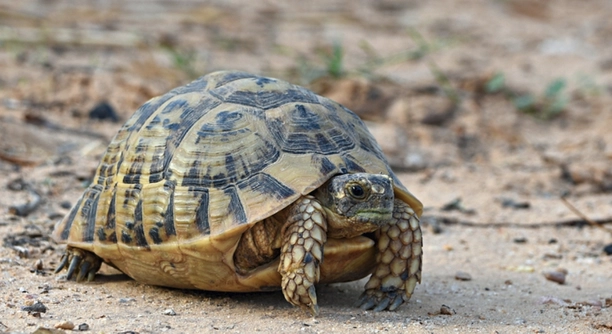
Greek tortoises are known for their unique behaviors, and one common action you may notice is their constant beak scraping. This behavior may seem puzzling, but it could stem from a variety of causes.
Constant beak scraping in Greek tortoises is typically caused by overgrown beaks, environmental stressors, or improper diet. Beak maintenance is essential for their overall health, and this scraping can indicate the need for adjustments in care or environment.
Understanding the causes behind this behavior can help you make the necessary changes to keep your tortoise comfortable and healthy.
Overgrown Beaks
One of the main reasons for constant beak scraping in Greek tortoises is an overgrown beak. A tortoise’s beak grows throughout its life, and if not properly worn down, it can become too long or misaligned. In the wild, they naturally wear their beaks down by eating a variety of foods that require chewing and grinding. However, in captivity, their diet may not provide enough of these abrasive foods, leading to overgrowth. If the beak becomes too long, it may cause discomfort, prompting your tortoise to scrape it against objects or surfaces to try and trim it.
An overgrown beak can affect the tortoise’s ability to eat properly, leading to further health problems.
To address overgrowth, providing your tortoise with harder, fibrous food like grasses and hay can help wear down the beak naturally. If the beak doesn’t show signs of improvement, a vet visit may be necessary for trimming.
Improper Diet
A lack of proper nutrition can also contribute to beak scraping. Without the necessary vitamins and minerals, the beak may not wear down as it should. This can be easily prevented by offering a varied diet.
Tortoises need a diet rich in fiber, calcium, and other nutrients for healthy growth. If the diet is deficient in these, the beak may not develop properly and will require excessive scraping to keep it in shape. Feeding them a balanced diet, including leafy greens, and appropriate supplements, can prevent beak issues from arising.
Ensuring that your tortoise gets a diverse, nutrient-packed diet is key. Fresh vegetables like kale, dandelion greens, and a calcium supplement will help maintain proper beak condition and overall health. Without these, your tortoise’s beak may develop problems that cause distress.
Stress and Anxiety
Stress can also lead to constant beak scraping. Greek tortoises are sensitive to their environment, and changes like temperature fluctuations, loud noises, or new pets can cause them to feel uneasy. When stressed, tortoises may scrape their beaks to release tension or to self-soothe.
A stressful environment can prevent your tortoise from feeling secure, and this can result in unwanted behaviors like beak scraping. To minimize stress, maintain a stable environment with consistent temperatures, humidity, and lighting. Avoid sudden changes and provide hiding spots to help your tortoise feel safe.
If your tortoise is in a high-traffic area or exposed to loud sounds, consider moving its enclosure to a quieter, more secluded spot. Stress reduction is essential to help your tortoise thrive and reduce the likelihood of repetitive scraping behavior. Being mindful of your tortoise’s emotional needs can lead to a happier, healthier pet.
Inadequate Housing
Housing plays a significant role in the well-being of a Greek tortoise. An enclosure that’s too small or lacks proper enrichment can contribute to behaviors like beak scraping. Without sufficient space or objects to explore, tortoises may resort to scraping their beaks against surfaces in their habitat.
Providing an appropriate enclosure size is essential for your tortoise’s health. A larger space allows them to roam, dig, and exhibit natural behaviors. Include items like rocks, logs, or substrates that encourage natural foraging, which can help reduce the likelihood of them scraping their beaks.
Ensure the enclosure’s environment replicates natural conditions, with proper lighting, humidity, and temperature. Without these factors, your tortoise may experience stress or frustration, leading to repetitive behaviors such as beak scraping. Taking time to improve your tortoise’s living space can help prevent these issues and support its overall well-being.
Beak Infections
A beak infection can also cause your Greek tortoise to scrape its beak. Infections can result from injuries, bacteria, or poor living conditions. These infections may cause discomfort, making your tortoise try to relieve the pain through constant scraping.
Infections may not always be obvious, so it’s important to look for other signs like swelling, discharge, or changes in eating habits. If you suspect an infection, consult a vet for treatment.
Proper hygiene and regular cleaning of your tortoise’s habitat can reduce the risk of infections. Keeping their enclosure clean will help prevent harmful bacteria from affecting their health.
Dehydration
Dehydration can cause several issues in Greek tortoises, including beak scraping. When tortoises are dehydrated, their body may try to compensate by producing excess saliva, leading to irritation around the beak area. This can make them scrape it more often.
Providing your tortoise with fresh water daily is crucial. If they are not drinking enough, you can also soak them in shallow water to encourage hydration. Keeping their environment humid can also help prevent dehydration, particularly in dry climates.
A dehydrated tortoise may appear lethargic and show other signs of distress, so staying proactive with hydration will support their overall health.
FAQ
Why does my Greek tortoise scrape its beak on surfaces?
Greek tortoises may scrape their beaks for a variety of reasons. One common cause is beak overgrowth, where the beak becomes too long or misaligned due to improper diet or lack of appropriate foods. It can also be caused by stress, dehydration, or an infection. Scraping may also be a way for the tortoise to relieve discomfort or anxiety. Ensuring that your tortoise has a balanced diet, appropriate environmental conditions, and access to water can help reduce this behavior.
How can I prevent my Greek tortoise from scraping its beak?
To prevent beak scraping, it’s essential to provide a diet that helps maintain beak health. Offer a variety of fibrous foods like grasses and hay, which naturally help wear down the beak. Avoid feeding your tortoise soft foods that don’t require much chewing. Regularly check your tortoise’s beak to ensure it’s not overgrown. If it is, take it to a vet for trimming. Creating a stress-free environment and providing proper hydration will also reduce the need for scraping.
Can stress cause my tortoise to scrape its beak?
Yes, stress can cause Greek tortoises to scrape their beaks. Stressors such as a noisy environment, sudden temperature changes, or overcrowding can lead to this behavior. Tortoises may scrape their beaks as a way to self-soothe when feeling anxious. To reduce stress, ensure the tortoise’s enclosure is in a quiet area with consistent temperature and humidity. Providing hiding spots or more space can also help make them feel safe.
How can I tell if my Greek tortoise’s beak is overgrown?
You can tell if your tortoise’s beak is overgrown by inspecting its shape and alignment. An overgrown beak may look long, curved, or jagged. If your tortoise has difficulty eating or the beak seems to grow disproportionately, it’s a sign that trimming is necessary. If unsure, a vet can help assess the beak’s condition and provide appropriate care.
Is it normal for my tortoise to scrape its beak after eating?
Scraping after eating may be normal behavior if it’s part of the tortoise’s natural process of cleaning its beak. However, if this behavior is excessive or persistent, it could indicate an underlying issue such as an overgrown beak, mouth infection, or discomfort from eating. Observing your tortoise’s eating habits and overall behavior will help determine if scraping after eating is a sign of a problem.
Should I be concerned if my tortoise is scraping its beak often?
If your tortoise is scraping its beak constantly, it’s worth investigating further. Frequent scraping could indicate problems such as overgrown beaks, stress, inadequate diet, or health issues. It’s best to consult with a veterinarian to rule out any serious conditions. Keeping an eye on other symptoms like changes in eating habits, lethargy, or swelling around the beak area is also important.
Can dehydration lead to beak scraping in Greek tortoises?
Yes, dehydration can contribute to beak scraping. When tortoises don’t drink enough water, they can become dehydrated, which leads to excessive salivation or irritation around the beak. This discomfort may cause the tortoise to scrape its beak to relieve the sensation. Always provide fresh water and soak your tortoise regularly to ensure it stays hydrated.
What are some signs of a beak infection in Greek tortoises?
Signs of a beak infection in Greek tortoises include swelling, discharge, and changes in beak appearance or texture. The tortoise may also show signs of discomfort, such as a decrease in appetite or difficulty eating. If you notice any of these symptoms, it’s essential to take your tortoise to a veterinarian for proper diagnosis and treatment.
How can I improve my tortoise’s living environment to reduce beak scraping?
Improving your tortoise’s living environment can help reduce beak scraping. Ensure the enclosure has enough space for movement and natural behaviors. Include items like rocks, logs, and appropriate substrates for burrowing. Keep the enclosure temperature and humidity at proper levels to avoid stress. Reducing environmental stressors and offering a comfortable space will help your tortoise feel secure and may reduce scraping behavior.
How often should I check my Greek tortoise’s beak?
You should check your tortoise’s beak regularly, at least once a month, to ensure it is healthy. Look for signs of overgrowth, cracks, or any abnormalities. If your tortoise is scraping its beak frequently, it’s important to inspect it closely for any potential issues. Regular checks can help you address problems early and avoid discomfort for your tortoise.
Can a lack of calcium cause beak problems in Greek tortoises?
Yes, a lack of calcium can lead to beak problems in Greek tortoises. Calcium is essential for bone and shell health, and a deficiency can cause weak or poorly formed beaks. To prevent this, provide your tortoise with a calcium-rich diet, including calcium supplements if needed. A balanced diet with proper nutrients is key to keeping your tortoise healthy.
What is the best diet for a Greek tortoise to maintain a healthy beak?
A healthy diet for a Greek tortoise should include high-fiber foods like grasses, hay, and leafy greens such as dandelion leaves and kale. Avoid feeding them too many fruits or soft vegetables, as these don’t help maintain beak health. You can also offer calcium supplements to support bone and beak development.
Can beak scraping indicate a behavioral issue?
While beak scraping is often related to physical issues, it can also signal a behavioral problem, especially if the tortoise is bored or not mentally stimulated. A lack of enrichment, such as appropriate objects to explore, may lead the tortoise to develop repetitive behaviors like scraping. Increasing environmental enrichment and providing more space can help address these issues.
How long should I wait before consulting a vet if my tortoise is scraping its beak?
If your tortoise is scraping its beak frequently, it’s best to consult a vet after a few days of observing the behavior. If there are signs of swelling, discharge, or changes in eating habits, seek veterinary advice immediately. Early intervention can prevent further complications.
Final Thoughts
Beak scraping in Greek tortoises can be a sign of several underlying issues, such as stress, dehydration, or an overgrown beak. While some level of beak scraping may be normal, excessive or constant scraping requires attention. Regularly checking your tortoise’s beak for signs of overgrowth or abnormalities is essential. A well-balanced diet rich in fiber and calcium is crucial to maintaining your tortoise’s overall health, including its beak. Ensuring that your tortoise has a proper living environment free of stressors and with appropriate humidity and temperature can also help reduce the chances of beak scraping behavior.
If your tortoise’s scraping is due to an overgrown or misaligned beak, taking it to the vet for trimming is important. In some cases, regular dental or beak care may be necessary. If the behavior is linked to stress or other environmental factors, creating a more suitable and comfortable space for your tortoise can make a significant difference. Always monitor your tortoise’s overall health and behavior to catch potential issues early. If the scraping becomes excessive or other symptoms appear, it’s a good idea to consult a veterinarian for proper treatment.
Taking a proactive approach to your tortoise’s health can prevent issues like beak scraping from escalating. Providing a nutritious, fiber-rich diet, maintaining a clean and safe living space, and offering plenty of water will help keep your Greek tortoise happy and healthy. Early detection and regular checkups are key in ensuring that your tortoise remains in good condition. Keeping an eye on behaviors like beak scraping, especially if they seem out of the ordinary, will allow you to take the right steps to address any concerns.

Hello,
If you enjoy the content that we create, please consider saying a "Thank You!" by leaving a tip.
Every little bit helps us continue crafting quality advice that supports the health, happiness, and well-being of pets around the world, for pets of all shapes, sizes, and species.
We really appreciate the kindness and support that you show us!