
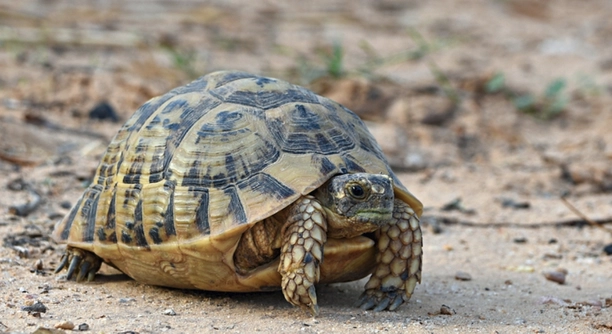
Your Greek tortoise might rub its head on your hand for a variety of reasons, each linked to its natural behaviors or needs. Understanding the cause can help you better connect with your pet and support its well-being.
This behavior is often linked to your tortoise displaying affection, marking territory, or expressing comfort. It could also be related to its instinct to seek attention or grooming. Understanding this can help you manage their environment more effectively.
There’s more to this behavior than meets the eye, and recognizing the reasons behind it can help you improve your tortoise’s care. Keep reading to discover the explanations behind your pet’s head-rubbing actions.
1. Affection and Bonding
Your Greek tortoise may rub its head on your hand as a sign of affection. In the wild, tortoises often engage in similar behaviors to bond with others of their kind. This can carry over to pets when they become comfortable with their owners. It’s a subtle way for your tortoise to show trust and attachment, and it’s an expression of positive interaction. Your pet may rub its head on your hand when it feels secure and enjoys your presence. It’s not always about needing something; sometimes it’s just a way for your tortoise to say, “I’m comfortable with you.”
It’s common for reptiles like tortoises to express affection in non-verbal ways. Head-rubbing might be a way to strengthen the bond between you and your pet.
Understanding this behavior can reassure you that your tortoise isn’t stressed. It’s more likely showing gratitude or simply enjoying your company. This subtle act strengthens the connection you share and ensures your pet feels safe and cared for.
2. Grooming Behavior
Head rubbing can also be an instinctive behavior, similar to how tortoises may use their head to clean themselves. Sometimes, your tortoise may rub its head on your hand to “groom” itself. This action helps them remove dirt or debris from their faces or shells. If you handle your tortoise regularly, it might even associate your hand with this action, seeing it as a helpful grooming tool. Though not a typical human-to-pet interaction, it’s an expression of your tortoise’s instinct to stay clean.
Tortoises have certain habits when it comes to grooming. They may rub against objects they come in contact with to keep themselves clean.
If your tortoise frequently rubs its head against you, consider it a compliment. It might be associating you with comfort and cleanliness, as if you’re part of its routine. This natural behavior may seem strange, but it’s just another way your tortoise interacts with its surroundings.
3. Territory Marking
Your tortoise may rub its head on your hand to mark its territory. Tortoises, like many animals, have scent glands near their heads. When they rub their heads against an object, they release a scent to claim ownership or familiarity. This is especially common when your tortoise feels comfortable in its environment and wants to assert its presence.
Marking territory helps your tortoise establish boundaries, ensuring it feels secure. It’s a natural instinct for many animals to do this, and it can happen with anything your tortoise comes into contact with, including you. Over time, it will learn to recognize you as part of its safe space.
As your tortoise continues this behavior, it can be a sign of a deeper trust and recognition of its surroundings. Understanding this territorial action can help you create a more comfortable environment for your tortoise, as it shows you’re part of its familiar space and life.
4. Seeking Attention
When your tortoise rubs its head against you, it may be seeking attention. Tortoises, although independent, can grow attached to their owners. Over time, your tortoise might associate your hand with food, comfort, or play. This head-rubbing behavior could be a request for interaction, signaling that your tortoise wants to engage.
Your tortoise may rub its head when it’s feeling bored or in need of stimulation. This can be an early sign that it’s time for some attention, whether that’s a little petting, handling, or some playtime outside of its enclosure. The more time you spend with it, the more likely your tortoise will seek you out for these moments.
If your tortoise is rubbing its head against your hand frequently, it’s a good opportunity to bond with it and give it some extra attention. It’s a way for your tortoise to communicate that it wants to connect, and it’s a sign that you’re becoming an important part of its routine.
5. Mating Behavior
In some cases, your tortoise might rub its head on you as part of mating behavior. Male tortoises often use head rubbing to show interest in females. If your tortoise is reaching sexual maturity, this behavior may become more noticeable. It could be a way of testing its surroundings or an attempt to engage in courtship.
Though it may look like affection or attention-seeking, this can be a natural part of your tortoise’s life stages. Even though your pet may not be interacting with another tortoise, this head-rubbing could be a sign of its mating instincts at play.
6. Stress Relief
Head rubbing can also help your tortoise relieve stress. In the wild, tortoises may rub their heads against rocks or surfaces as part of their coping mechanisms. Your tortoise may adopt this behavior when feeling uneasy or anxious. It’s a way of managing stress in its environment.
This behavior might be especially apparent if your tortoise is adjusting to new surroundings or changes in its habitat. Providing a calm, stable environment can help reduce this stress. Over time, the behavior may decrease once your tortoise feels safe again.
FAQ
Why does my Greek tortoise rub its head on my hand?
Your Greek tortoise rubs its head on your hand as a sign of affection, territory marking, grooming, or seeking attention. It’s a natural behavior that can have various meanings, from expressing comfort and trust to engaging in instinctual actions like cleaning or claiming space. Each tortoise may display this behavior differently depending on their mood and environment.
Is it normal for my tortoise to rub its head on me?
Yes, it’s normal for your tortoise to rub its head on you. It’s a common behavior seen in many tortoises, especially as they grow accustomed to their surroundings and owners. If your tortoise is rubbing its head against your hand, it likely feels comfortable and safe around you. Over time, it could even become a routine action during interactions.
Does head rubbing mean my tortoise is sick?
Not necessarily. Head rubbing in tortoises is often a normal behavior. However, if it becomes excessive, or if your tortoise is showing other signs of distress, it could indicate something more serious like a health issue. Always observe your tortoise for other unusual behaviors, and consult a vet if you’re concerned.
Can my tortoise rub its head too much?
Excessive head rubbing could indicate stress or an underlying issue. If your tortoise is rubbing its head constantly or seems agitated, it may be worth checking its environment. Ensure it has adequate space, proper lighting, and a calm atmosphere. Stress can cause over-grooming or unusual behaviors, so adjusting its habitat might help.
Should I be concerned if my tortoise rubs its head on the glass of its enclosure?
Head rubbing on the glass could be a sign that your tortoise is stressed or frustrated. It may be trying to escape, explore, or simply expressing discomfort with its environment. Ensure the enclosure is large enough, with enrichment such as hiding spots and proper temperature. A more stimulating environment can help prevent repetitive behaviors like this.
What can I do to stop my tortoise from rubbing its head so much?
To reduce head rubbing, make sure your tortoise has a comfortable, secure environment. Provide a larger enclosure with hiding spots, climbing areas, and different textures to explore. Reducing stress by maintaining stable temperatures and proper lighting can also help. If the behavior continues, it may be worth consulting a vet for further advice.
Why does my tortoise rub its head on my hand when I feed it?
Your tortoise may rub its head on your hand during feeding as a sign of gratitude or as part of its routine. It could also be related to seeking more attention or food. Tortoises often associate their owners with food, so this behavior could be a way of engaging with you or signaling it’s time to eat.
Can my tortoise rub its head on other objects for the same reasons?
Yes, your tortoise may rub its head on other objects for the same reasons, like marking territory, grooming, or seeking attention. Tortoises often rub their heads on rocks, plants, or surfaces in their enclosures to fulfill these natural instincts. The behavior can be more frequent if your tortoise feels secure and safe in its environment.
Should I stop my tortoise from rubbing its head on me?
Unless the behavior seems excessive or causes discomfort for you or your tortoise, there’s no need to stop it. Rubbing can be a natural and positive form of interaction. However, if it becomes a problem, such as causing stress or aggression, you can gently redirect your tortoise to other activities or provide more stimulation in its environment.
Is it okay to pet my tortoise while it’s rubbing its head on me?
Yes, it’s generally fine to pet your tortoise while it’s rubbing its head on you. This can reinforce the bond you share. Just make sure you’re gentle, as some tortoises may not enjoy prolonged contact or handling. Always watch for signs that your tortoise is comfortable with the interaction.
Does my tortoise rubbing its head on me mean it wants to mate?
Not necessarily. While head rubbing can be linked to mating behaviors, it doesn’t always indicate that your tortoise is looking for a mate. Male tortoises often rub their heads when they’re interested in a female, but this behavior can also occur in other contexts, like bonding or territorial marking.
Can head rubbing be a sign of boredom in my tortoise?
Yes, head rubbing can sometimes be a sign that your tortoise is bored or seeking stimulation. If the behavior happens more frequently when your tortoise is in its enclosure without much activity, it may be trying to communicate that it needs more enrichment. Offering toys, outdoor time, or additional hiding spots can help reduce boredom.
Why is my tortoise rubbing its head on its shell?
Your tortoise may rub its head on its shell for grooming or stress relief. Tortoises sometimes rub their heads against surfaces to clean themselves or feel comforted by familiar objects. If the behavior seems excessive, you may want to assess its living conditions to ensure there are no underlying issues, such as discomfort or poor shell health.
Does head rubbing indicate my tortoise is happy?
In many cases, head rubbing can indicate that your tortoise is happy or content, especially if it’s happening in a calm environment. It’s a way for your tortoise to show comfort and trust. However, it’s important to consider other factors, like its overall behavior and health, to gauge its happiness fully.
Can I encourage my tortoise to rub its head on me?
You can encourage positive interaction by providing a safe and comfortable environment for your tortoise. Offering food or gently interacting with it during playtime can increase bonding and encourage the behavior. Be patient, as some tortoises may take time to warm up to you and express affection through head rubbing.
Final Thoughts
In summary, the behavior of your Greek tortoise rubbing its head on your hand is usually a natural and harmless action. It can indicate affection, comfort, or even an attempt to mark territory. Each tortoise is different, and they can express themselves in unique ways, including head rubbing. This behavior is a way for them to interact with their environment and you, which can be a sign of trust and familiarity. Understanding the reason behind the action can help you better care for your tortoise and strengthen your bond.
While it’s generally normal for tortoises to rub their heads on their owners, it’s important to pay attention to the frequency and context of the behavior. If your tortoise starts rubbing excessively or seems stressed, it could signal a problem with its environment or health. A simple change in habitat, like offering more space or providing hiding spots, might help. If you’re ever in doubt, consulting with a vet is always a good idea to rule out any underlying issues that might be causing unusual behaviors.
Ultimately, keeping your tortoise happy and healthy involves understanding its body language, environment, and needs. The act of head rubbing is just one of many ways that your tortoise may show comfort or affection. By observing your tortoise’s behavior and making sure it has a comfortable space to live in, you can ensure it has a fulfilling life. While head rubbing might seem small, it’s just a part of the bigger picture of keeping your tortoise in a secure, stress-free environment where it can thrive.

Hello,
If you enjoy the content that we create, please consider saying a "Thank You!" by leaving a tip.
Every little bit helps us continue crafting quality advice that supports the health, happiness, and well-being of pets around the world, for pets of all shapes, sizes, and species.
We really appreciate the kindness and support that you show us!