
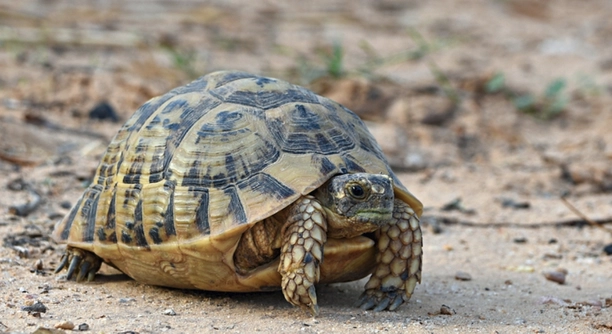
If you own a Greek tortoise, you might have noticed that it refuses to eat in the mornings. This can be puzzling, especially when you’re concerned about their health. Understanding their behavior can help ensure their well-being.
The most common reason for a Greek tortoise refusing to eat in the morning is a natural biological rhythm. Tortoises are often more active during the afternoon and evening, which affects their feeding patterns. Environmental factors can also play a role.
Identifying the causes behind your tortoise’s behavior can help you manage their feeding schedule more effectively. Keep reading to find out the main reasons and how to address them.
1. Natural Behavior and Biological Rhythms
Greek tortoises have specific feeding patterns tied to their natural instincts. They are typically more active during the afternoon and evening hours, which means they may not be interested in eating first thing in the morning. This behavior is entirely normal for tortoises, and there’s nothing to worry about if your tortoise skips its morning meal.
Tortoises are diurnal, but they have specific periods of peak activity. This can vary based on their habitat, but it’s common for them to be slow to warm up in the morning, making them less inclined to eat.
Tortoises in the wild typically wait for the sun to rise before becoming active. If your tortoise is kept in a more controlled environment, it may still follow this pattern. Adjusting the time of feeding to later in the day can help them stay on track. You may find that offering food after their natural waking period results in a more eager eater.
2. Environmental Factors
Sometimes environmental conditions may also affect your tortoise’s appetite.
A cold or dimly lit habitat may make your tortoise sluggish and uninterested in food. If the temperature is too low, their metabolism slows down, which affects digestion and hunger.
Ensuring that your tortoise’s habitat has consistent warmth and good lighting can prevent this problem. A temperature range between 75°F and 85°F during the day and slightly cooler at night is ideal. If the temperature is not regulated, your tortoise may feel uncomfortable and refuse to eat. Tortoises rely on external heat sources to help digest their food, so inadequate heating can lead to a lack of interest in food. Adding a UVB light to their environment helps mimic natural sunlight, encouraging activity and eating. Making these adjustments can improve their overall health and appetite.
3. Overfeeding at Night
Feeding your tortoise too much at night can make it less interested in eating the next morning. Overfeeding them can cause digestive sluggishness, leaving them not hungry when morning arrives.
When your tortoise consumes a large meal before bed, their system may still be working to digest the food the next day. This affects their appetite. Make sure to monitor their portion sizes, and consider feeding smaller amounts in the evening. This can help balance their hunger throughout the day.
By providing a more moderate meal in the evening, you ensure that your tortoise’s digestion doesn’t interfere with their morning hunger. It’s important to allow time between feedings to regulate their appetite properly. Keep their evening meals light and provide them with food during their active hours to encourage feeding at the right times.
4. Stress and Anxiety
Stress is another factor that can make your tortoise reluctant to eat. Any change in their environment, such as a move to a new tank or the introduction of a new pet, can cause anxiety.
Tortoises are sensitive creatures and can become stressed by factors like sudden temperature changes, loud noises, or even being handled too much. Stress can suppress their appetite, especially during the early part of the day. To help your tortoise feel more secure, try to maintain a consistent and quiet environment.
Creating a peaceful environment in their habitat is crucial to reducing stress. Avoid moving their enclosure frequently and keep their area as calm as possible. You might also consider providing hiding spaces in the tank where they can retreat to if they feel overwhelmed. Stress-free surroundings lead to healthier eating habits and a more content tortoise.
5. Health Issues
Sometimes, a lack of appetite can be linked to health problems. If your tortoise consistently refuses to eat in the morning, it could be a sign of an underlying issue.
Common health problems like respiratory infections, parasites, or digestive issues can make your tortoise less inclined to eat. If the behavior continues, it’s essential to have a veterinarian check for any health concerns.
Taking your tortoise for a check-up can help identify any hidden health problems. Regular veterinary visits can ensure they remain in good health. If they’re unwell, it’s important to treat the underlying cause before it worsens.
6. Seasonal Changes
Changes in the seasons affect your tortoise’s eating habits. During colder months, Greek tortoises tend to eat less and even enter a state of brumation.
As temperatures drop, their metabolism slows, and they may reduce their food intake. It’s natural for tortoises to be less active and not as hungry during winter. If you notice your tortoise eating less, it’s likely due to the changing seasons. During these months, they require fewer calories.
Understanding these seasonal patterns helps you adjust feeding schedules. Make sure their habitat remains warm enough to prevent extreme changes in their metabolism. If your tortoise is brumating, it may not eat for weeks.
FAQ
Why is my Greek tortoise not eating in the morning?
A common reason is that Greek tortoises are more active during the afternoon and evening. Their natural feeding pattern often makes them uninterested in food early in the day. Ensure they are not overfed at night, as that can affect their appetite. Also, environmental factors such as temperature or stress might play a role.
Should I be worried if my tortoise refuses to eat in the morning?
If your tortoise refuses to eat only in the morning but eats later in the day, it’s usually not a cause for concern. It’s important to observe their overall behavior. However, if they consistently refuse food or show signs of illness, a vet check-up is recommended.
How can I encourage my tortoise to eat in the morning?
You can try offering food at different times or adjusting the temperature of their environment to make them more active. Provide a light meal in the morning and see if they respond to it better. Avoid overfeeding at night to maintain their morning appetite.
Could stress affect my tortoise’s appetite in the morning?
Yes, stress can suppress a tortoise’s appetite. Changes in their environment, new pets, or loud noises can cause anxiety, making them reluctant to eat. Keeping their habitat quiet, consistent, and free of disruptions can help reduce stress and improve eating habits.
What should I do if my tortoise isn’t eating at all?
If your tortoise isn’t eating at all, it could be a sign of illness or improper environmental conditions. Make sure their habitat is at the correct temperature and humidity. If the issue persists, it’s best to consult a vet.
How can I tell if my tortoise is stressed?
Signs of stress in tortoises can include hiding, excessive pacing, or a lack of appetite. Stress can be caused by handling, changes in the habitat, or new animals. A quiet and stable environment will help them feel more at ease.
Can brumation affect my tortoise’s appetite?
Yes, Greek tortoises tend to eat less and may stop eating altogether during brumation, which is similar to hibernation. If your tortoise isn’t eating during colder months, it might be entering brumation. It’s essential to keep track of their behavior and ensure they are not sick.
What is the ideal temperature for a Greek tortoise?
Greek tortoises thrive in temperatures ranging from 75°F to 85°F during the day. At night, it should be cooler, around 65°F to 70°F. Maintaining proper temperatures helps regulate their metabolism and encourages healthy eating habits.
How much should I feed my tortoise at night?
It’s important not to overfeed your tortoise, especially at night. Offering too much food before bed can make them sluggish the following day. Stick to a reasonable portion size, and try to offer a balanced diet with plenty of fresh greens and vegetables.
Is it okay to handle my tortoise if they’re not eating?
While handling your tortoise occasionally is fine, excessive handling can add stress. If your tortoise isn’t eating, it’s best to limit handling and allow them to rest in their environment. Stress can further suppress their appetite, so focus on creating a calm atmosphere.
Why does my tortoise only eat at certain times?
Tortoises have specific feeding schedules based on their natural circadian rhythm. They are more likely to eat in the afternoon or evening when they are more active. You can try adjusting feeding times to match when they are most interested in food.
Can poor lighting affect my tortoise’s eating habits?
Yes, poor lighting can affect your tortoise’s behavior and appetite. Tortoises need UVB light to help with digestion and overall health. Without proper lighting, they might become lethargic and uninterested in food. Ensure they have access to both UVA and UVB lighting in their habitat.
What if my tortoise is picky about food?
Tortoises can be picky, but it’s important to offer a variety of fresh foods. Try different types of greens, vegetables, and fruits to see what they prefer. Avoid offering foods that are too high in sugar or fat. A balanced, diverse diet will keep them healthy.
Can a dirty habitat cause my tortoise to stop eating?
A dirty habitat can lead to stress, which can cause your tortoise to lose its appetite. Make sure to clean their enclosure regularly to provide a comfortable environment. This includes removing waste, cleaning food dishes, and ensuring the habitat is well-ventilated.
How can I tell if my tortoise is hungry?
Hungry tortoises will typically be more active, exploring their enclosure and looking for food. They may also begin to “dig” or show interest in their food. If they are sitting in one spot and ignoring food, they might not be hungry at that time.
What are the signs of a sick tortoise?
Signs of a sick tortoise include a lack of appetite, lethargy, swollen eyes, or abnormal shell appearance. If your tortoise shows any of these symptoms, it’s important to seek veterinary care to rule out any underlying health issues. Early detection is key to recovery.
Final Thoughts
Understanding why your Greek tortoise refuses to eat in the morning is key to ensuring their well-being. It’s natural for these tortoises to have varying appetites based on their behavior, environment, and health. As long as they are eating later in the day and not showing signs of illness, there is usually no cause for concern. Their natural feeding rhythms, especially in the morning, can simply be a part of their behavior. This should not necessarily be seen as a problem but rather a normal variation in their eating habits. Observing your tortoise closely will give you more insight into what is typical for them.
However, if your tortoise’s refusal to eat extends beyond just the morning and they’re consistently uninterested in food, it may signal an underlying issue. Stress, poor environmental conditions, or health problems can all play a role in their eating habits. It’s essential to ensure their enclosure provides the right conditions—proper lighting, temperature, and humidity—and that they are not stressed by loud noises or other changes in their environment. If these factors are in check, yet your tortoise is still not eating, consulting a veterinarian is the next best step. They can help identify if a medical issue is affecting their appetite.
Patience is also important when managing your tortoise’s feeding habits. Some Greek tortoises are more finicky than others, and it may take time for them to adjust to a new feeding schedule or environment. Keep providing a variety of healthy foods, maintain a calm habitat, and allow your tortoise the space and time they need to feel comfortable. Regular check-ups with a vet will also ensure their health remains on track. With careful attention to their habits and a consistent routine, you can help your Greek tortoise maintain a balanced diet and overall health.

Hello,
If you enjoy the content that we create, please consider saying a "Thank You!" by leaving a tip.
Every little bit helps us continue crafting quality advice that supports the health, happiness, and well-being of pets around the world, for pets of all shapes, sizes, and species.
We really appreciate the kindness and support that you show us!