
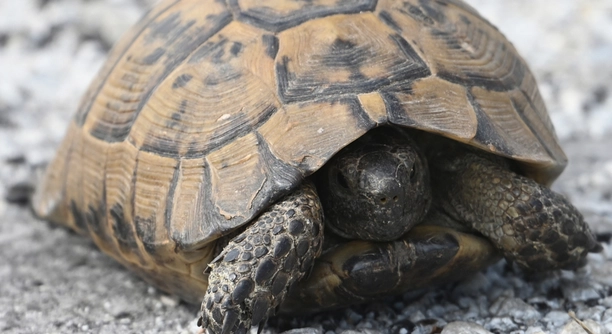
Do you ever find yourself wondering why your Greek tortoise always seems to poop in its water dish? This behavior can be puzzling and frustrating for pet owners who strive to maintain a clean and healthy environment for their tortoise.
Greek tortoises often poop in their water due to natural instincts, digestion patterns, and environmental factors. Warm water stimulates their bowels, making it a common spot for defecation. Additionally, stress, diet, and enclosure conditions can also influence this behavior.
Understanding why this happens can help you manage it more effectively. From temperature triggers to enclosure setup, learning the causes behind this habit will allow you to create a cleaner and healthier habitat for your Greek tortoise.
Warm Water Triggers Bowel Movements
Greek tortoises often poop in their water because warm water relaxes their digestive system. When they soak, the warmth stimulates their bowels, making them more likely to go. This is a natural response and is common among many tortoise species. In the wild, they may relieve themselves near water sources to keep their burrows clean. While this habit is instinctual, it can be inconvenient in captivity. Frequent soiling of the water dish can lead to hygiene issues, requiring more frequent cleaning. Understanding this natural response can help you manage their habitat more effectively and keep their space cleaner.
If your tortoise consistently poops in its water, try providing a separate shallow soaking area. This can encourage them to relieve themselves outside their drinking water, reducing contamination and making maintenance easier.
Keeping their habitat clean is essential for their health. Regular water changes and monitoring their soaking habits will help maintain a sanitary environment.
Stress and Environmental Factors
Stress can also cause your Greek tortoise to poop in its water. Changes in their enclosure, loud noises, or frequent handling may trigger stress, affecting their digestion. Providing a stable environment with minimal disturbances can help reduce this behavior.
A poorly designed enclosure can make a tortoise more likely to use its water dish as a bathroom. If the space is too small or lacks proper hiding spots, your tortoise may feel unsafe. This stress can lead to unusual bathroom habits. Ensuring their habitat is spacious, well-arranged, and enriched with natural elements like rocks and plants can make them feel more secure.
Temperature and lighting also play a big role. If their basking area isn’t warm enough, they might seek out the water dish for comfort. A proper temperature gradient helps regulate digestion and prevents unnecessary stress. By making these adjustments, you can create a more comfortable space for your tortoise and minimize unwanted behavior.
Inadequate Basking Area
If the basking area isn’t warm enough, your tortoise may spend more time in the water to regulate its body temperature. This can lead to frequent pooping in the dish since warmth helps stimulate digestion. Proper heating is essential to prevent this issue.
A basking area should be between 90-95°F, with a cooler zone around 75-85°F. Without this gradient, your tortoise may struggle to digest food properly. If they seek warmth in their water dish, they might defecate there more often. A well-placed heat lamp and a proper UVB source will help maintain a comfortable environment. Regularly check the temperature with a thermometer to ensure consistency. If needed, adjust the bulb wattage or move the heat source closer. Keeping the basking area warm and accessible can prevent your tortoise from relying on its water dish for comfort.
Providing a flat, warm surface like a rock under the heat lamp encourages proper basking. Tortoises need this warmth to digest food effectively. Without it, they may soak longer than necessary, increasing the chances of pooping in the water. Ensuring the right temperature setup can significantly reduce this habit and promote healthier behaviors.
Diet and Digestion Issues
An improper diet can lead to irregular digestion, causing your tortoise to poop in its water more frequently. Foods that are too high in moisture, such as excessive fruits or watery vegetables, can speed up digestion. This can make them relieve themselves soon after eating, especially if they soak right after meals.
A diet rich in fiber helps slow digestion and regulate bowel movements. Dark leafy greens, hay, and grasses provide the necessary fiber to promote firmer stools and prevent frequent pooping in the water. Avoid overfeeding soft foods like lettuce, cucumbers, and tomatoes, as they contain too much water. Instead, offer a balanced mix of fibrous plants, calcium supplements, and limited protein. Consistent feeding times also help regulate digestion, reducing unexpected bathroom habits.
Feeding at the right time can make a difference. Offering meals earlier in the day allows proper digestion before nighttime soaking. If your tortoise tends to poop in its water after eating, try adjusting feeding schedules. Observing their habits and making small dietary changes can lead to a cleaner enclosure and a healthier tortoise.
Lack of a Designated Soaking Area
A single water dish for both drinking and soaking can lead to frequent contamination. Without a separate area to soak, your tortoise may use its drinking water for both purposes, increasing the likelihood of pooping in it. Adding a shallow soaking tray can help reduce this issue.
Providing a separate soaking dish encourages better hygiene. A shallow container with lukewarm water placed away from the drinking dish can serve as a designated soaking spot. This allows your tortoise to bathe and relieve itself in a different space, keeping the drinking water cleaner for longer.
Natural Instincts
In the wild, tortoises often defecate in or near water to keep their burrows clean. This instinct carries over into captivity, making water dishes a common bathroom spot. Understanding this behavior helps in creating a setup that accommodates their natural tendencies while maintaining hygiene.
Dirty Water Dish
Tortoises may poop in their water if it is already dirty. Stale or unclean water can make them view the dish as a waste area instead of a drinking source. Regularly changing the water and keeping the dish clean can discourage this behavior and promote healthier drinking habits.
FAQ
Why does my Greek tortoise poop right after eating?
Tortoises have a simple digestive system, and eating often triggers bowel movements. If your tortoise poops soon after meals, it’s likely because digestion is stimulated by food intake. This is normal, especially when combined with soaking or basking, which further encourages digestion.
Can I train my tortoise to poop outside the water dish?
While tortoises can’t be trained like dogs or cats, you can influence their habits by adjusting their setup. Providing a separate soaking area and maintaining a clean drinking dish can help. If your tortoise poops after soaking, try placing a shallow water tray outside the main enclosure for designated bath time.
Is it unhealthy for my tortoise to poop in its water?
Dirty water can lead to bacterial growth and potential health risks. Drinking from contaminated water may cause infections or digestive issues. Regularly changing the water and keeping the dish clean is important to prevent illness and ensure your tortoise stays healthy.
How often should I change my tortoise’s water?
Water should be changed at least once or twice a day, especially if your tortoise frequently soils it. If you notice waste in the dish, replace the water immediately. Keeping it fresh prevents bacteria buildup and ensures your tortoise has clean water to drink.
Does the size of the water dish matter?
A water dish that’s too small may lead to frequent contamination, while one that’s too large can encourage excessive soaking. A shallow, easy-to-clean dish that’s big enough for drinking but not for prolonged soaking can help reduce the chances of pooping in the water.
Should I remove the water dish overnight?
Leaving a small water dish overnight is fine, but if your tortoise consistently poops in it, removing it before bedtime can help keep the enclosure cleaner. Just make sure to provide fresh water again in the morning to keep your tortoise hydrated.
Can stress make my tortoise poop more often?
Yes, stress can affect digestion and lead to irregular bowel movements. Loud noises, frequent handling, or changes in their environment can contribute to this. Ensuring a calm and stable setup can help regulate their bathroom habits.
What can I do if my tortoise won’t stop pooping in its water?
If this behavior persists, try adjusting their enclosure by adding a separate soaking area and ensuring their basking spot is warm enough. Monitoring their diet and feeding schedule can also help. If the problem continues, consult a reptile vet to rule out any health concerns.
Does the type of food affect my tortoise’s pooping habits?
Yes, a diet high in water content, like lettuce and cucumbers, can lead to more frequent and loose stools. Feeding fiber-rich foods such as hay, grasses, and leafy greens can help regulate digestion and reduce excessive pooping in the water.
Is it normal for baby tortoises to poop in their water more often?
Yes, younger tortoises have faster digestion and may poop in their water more frequently. As they grow and their digestive system matures, this behavior may decrease. Keeping a clean and well-organized enclosure can help manage the issue.
Final Thoughts
Greek tortoises pooping in their water is a common behavior influenced by natural instincts, digestion, and environmental factors. Warm water stimulates their bowels, making the water dish an easy place to relieve themselves. Stress, diet, and enclosure setup can also contribute to this habit. While it may seem frustrating, understanding the reasons behind it can help you manage it more effectively. By making small adjustments, such as providing a separate soaking area and maintaining proper temperatures, you can reduce the frequency of this behavior and create a cleaner living space for your tortoise.
Keeping your tortoise’s habitat clean is essential for their overall health. Dirty water can lead to bacterial growth, which increases the risk of infections or digestive problems. Changing the water frequently, offering a well-balanced diet, and ensuring a comfortable basking area can all help regulate their bathroom habits. Monitoring their routine and making necessary changes will not only keep their enclosure cleaner but also improve their well-being. Every tortoise is different, so observing their unique behaviors and adjusting their care accordingly will help maintain a healthy and happy pet.
If your tortoise continues to poop in its water despite your efforts, don’t be discouraged. This behavior is natural and may take time to manage. Staying consistent with cleaning, offering the right diet, and ensuring a stress-free environment can make a big difference. Over time, your tortoise may adjust to a cleaner setup with fewer accidents in the water. Providing proper care and patience will help your tortoise thrive while keeping its enclosure as hygienic as possible.

Hello,
If you enjoy the content that we create, please consider saying a "Thank You!" by leaving a tip.
Every little bit helps us continue crafting quality advice that supports the health, happiness, and well-being of pets around the world, for pets of all shapes, sizes, and species.
We really appreciate the kindness and support that you show us!