
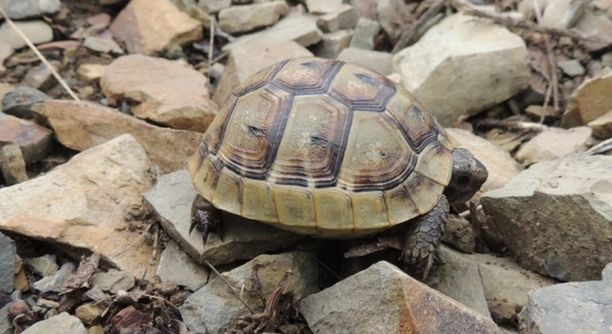
Greek tortoises are fascinating creatures that can sometimes have odd habits, especially when it comes to their eating patterns. If you’ve noticed your tortoise only eating in the evening, you’re not alone. This behavior is more common than you might think.
Greek tortoises are primarily crepuscular animals, meaning they are most active during dawn and dusk. Their eating habits often align with their natural instincts, making evening the ideal time for them to feed.
Several factors can influence this behavior. Understanding the reasons behind it can help you ensure your tortoise stays healthy and happy. Let’s explore why your tortoise may prefer eating at night.
Natural Crepuscular Behavior
Greek tortoises are naturally active during the early morning and late evening hours. This is because, in their native habitats, they are most active at dawn and dusk when the temperatures are cooler. During the hottest part of the day, they seek shelter in burrows to stay safe from the sun. This behavior can affect their eating patterns, making them more likely to feed when the sun starts to set.
Understanding this instinct is key to managing their feeding schedules. Since they are adapted to cooler, quieter times of the day, your tortoise may simply prefer eating when it feels most comfortable. If your tortoise starts to eat only in the evening, it’s likely due to this natural rhythm.
Creating a comfortable and quiet environment in the evening will help your tortoise feel at ease. Try feeding it during this time and observe how its behavior changes. This simple adjustment can lead to healthier eating habits for your tortoise.
Environmental Factors
Sometimes, external conditions can also influence your tortoise’s feeding habits.
Heat plays a significant role in the behavior of Greek tortoises. They thrive in temperatures ranging from 75°F to 85°F (24°C to 29°C). If your home is too warm during the day, your tortoise may prefer the cooler evening hours to avoid heat stress. Also, if your tortoise lives outside, it may choose to eat when the ground temperature is more suitable.
Tortoises are sensitive to their environment. If it’s too hot or uncomfortable during the day, they might not want to eat until the cooler evening hours. Ensuring your tortoise has a well-regulated temperature, both indoors and outdoors, can lead to more consistent eating habits.
Lack of Natural Sunlight
If your tortoise isn’t getting enough natural sunlight, it may adjust its eating schedule. Tortoises depend on UVB light for proper digestion and overall health. Without it, their biological clock could shift, making them more likely to eat at night when they feel more relaxed and less stressed.
Providing a proper UVB light source can help align their eating patterns with their natural behavior. If your tortoise is kept indoors, make sure it gets adequate exposure to UVB light during the day. This will not only regulate their appetite but also support their immune system. Without sufficient UVB light, their eating habits may be irregular.
Creating an optimal environment with UVB lighting will support healthy digestion and overall wellness. If the lighting conditions are poor, your tortoise may feel discomfort, leading to eating only when it feels secure, usually at night. Make sure to invest in good lighting to help your tortoise feel comfortable.
Diet Imbalances
Another factor could be an imbalance in your tortoise’s diet. If it’s not getting enough fiber or hydration during the day, it may not feel the urge to eat until the evening. Tortoises need a variety of vegetables, grasses, and occasional fruits to maintain a balanced diet.
If you’re feeding your tortoise primarily one type of food or it lacks access to fresh water during the day, its eating habits may shift. Ensure your tortoise has a wide variety of food and fresh water available during the day to encourage proper digestion and prevent nighttime feeding behaviors.
Sometimes, adding more fiber-rich foods, such as leafy greens or hay, can help regulate their eating schedule. If your tortoise consistently refuses food during the day, this could indicate dietary problems that need attention. Adjusting its diet can bring back a balanced eating routine.
Stress or Anxiety
Stress can impact your tortoise’s eating schedule. If your tortoise feels anxious or uneasy during the day, it may choose to eat when it feels more comfortable in the evening. Environmental changes, such as new pets, loud noises, or changes in the habitat, can trigger this stress.
To reduce stress, ensure your tortoise has a quiet and calm environment. Keeping it away from loud areas or introducing new items slowly can help. If stress is the issue, you might notice your tortoise becoming more relaxed and willing to eat as it adjusts to the environment.
A secure, peaceful environment will likely encourage more regular eating patterns. Tortoises thrive when they feel safe and secure, so reducing any potential stressors can make a difference. Be mindful of how your tortoise reacts to changes.
Activity Level
Tortoises are most active in the cooler parts of the day, like evening and early morning. Their activity levels can affect their appetite. If your tortoise is more active at night, it will naturally feel more inclined to eat after burning off energy.
Providing adequate space and opportunities for exercise during the day will help regulate activity and feeding times. If your tortoise spends too much time resting, it may not be hungry when you offer food. Encouraging natural movement during the day will support a healthier routine and better digestion.
A well-exercised tortoise is more likely to follow a more regular eating schedule, ensuring they get the proper nutrition they need.
FAQ
Why does my Greek tortoise eat at night?
Greek tortoises are naturally crepuscular, meaning they are most active during dawn and dusk. This instinctive behavior aligns with their feeding habits. They tend to feed in the cooler evening hours to avoid the heat of the day. If your tortoise eats primarily at night, it is simply following its natural rhythms. Ensuring the temperature is regulated and the environment is calm during the evening can encourage regular eating patterns.
How can I encourage my tortoise to eat during the day?
To encourage daytime eating, start by ensuring the daytime environment is ideal. Provide adequate UVB light, maintain a comfortable temperature, and keep the habitat quiet. If your tortoise still prefers eating at night, try offering smaller meals during the day to encourage its appetite. You can also adjust feeding times to align more with the daylight hours, gradually shifting the schedule.
Is it normal for my tortoise to only eat once a day?
It’s normal for Greek tortoises to eat once a day, but it’s essential to offer them food at the right time. If your tortoise eats once a day, it may be due to its feeding schedule or natural behavior. However, ensure the meal is nutritious and balanced. If you’re concerned, consult with a veterinarian to ensure your tortoise is healthy.
What kind of food should I offer my Greek tortoise?
Greek tortoises thrive on a diet of leafy greens, grasses, and vegetables. You can feed them dandelion greens, clover, collard greens, and romaine lettuce. Occasionally, offer small amounts of fruit like strawberries or melon. It’s important to avoid feeding them too much fruit, as it can upset their digestion. Also, ensure they have access to fresh water at all times to stay hydrated.
Can I feed my tortoise at night?
Feeding your tortoise at night is fine, especially if it naturally eats during these hours. If your tortoise is more comfortable eating in the evening, ensure the environment is safe and well-lit for easy eating. Just be sure to provide a balanced meal with the proper nutrients to keep your tortoise healthy.
How much should I feed my Greek tortoise daily?
Greek tortoises typically need a varied diet that’s about 80% leafy greens and grasses. A good rule of thumb is to offer food equivalent to about 10-15% of their body weight daily. However, the amount depends on their size and age. Young tortoises need more food to grow, while adults typically eat less but still require a balanced diet. Be mindful of the portions to prevent overfeeding, which can lead to obesity and other health issues.
Can I change my tortoise’s feeding time?
Yes, you can adjust your tortoise’s feeding time if necessary. However, do it gradually to allow your tortoise to adjust. If you want to shift from feeding at night to daytime, start offering food during the day a little earlier each day. This gradual transition helps prevent stress and encourages your tortoise to adjust its eating habits.
How do I know if my tortoise is eating enough?
To determine if your tortoise is eating enough, look at its overall health, energy levels, and weight. If it appears active and alert and doesn’t seem to be losing weight or getting too thin, it is likely eating enough. Monitor its food intake and remove uneaten food daily to ensure it’s not overfed or underfed. If you’re unsure, consult a vet to ensure it’s receiving the proper nutrition.
Should I be concerned if my tortoise refuses to eat?
Occasional refusal to eat isn’t usually a cause for concern, especially if it’s temporary and your tortoise remains active. However, if your tortoise consistently refuses food for several days, it may indicate stress, illness, or environmental issues. Make sure the habitat conditions (temperature, humidity, UVB lighting) are optimal. If the problem persists, it’s a good idea to consult a veterinarian to rule out health concerns.
Can stress cause my tortoise to eat less?
Yes, stress can significantly impact your tortoise’s appetite. Environmental changes, loud noises, or the introduction of new pets can cause your tortoise to feel uneasy and reduce its eating. To help, create a calm and quiet space for your tortoise to feel secure. It’s essential to minimize stressors to help maintain healthy feeding patterns.
How can I tell if my tortoise is underweight?
Check your tortoise’s body condition by gently feeling its shell and overall shape. If you notice a pronounced, sharp curve on the sides of the shell or a noticeable decrease in weight, it may be underweight. Additionally, if your tortoise seems lethargic or its skin looks sunken, it might be time to reassess its diet or consult with a veterinarian.
What if my tortoise is eating too much?
Overfeeding can lead to obesity, which is harmful to your tortoise’s health. If your tortoise is eating too much, reduce the food portions and ensure a proper balance of fiber-rich foods like grasses and greens. Avoid high-calcium foods like fruits, as they can contribute to weight gain. If you notice your tortoise becoming too large, it’s essential to adjust its diet.
Understanding your Greek tortoise’s eating habits is important for ensuring its overall health and well-being. If your tortoise only eats in the evening, it is likely due to its natural behavior as a crepuscular animal. These tortoises are most active during the cooler parts of the day, such as early morning and evening. It’s important to create an environment that aligns with these natural rhythms to encourage regular feeding. Proper lighting, temperature, and a calm habitat can all help your tortoise feel comfortable and encourage better eating habits.
Diet also plays a key role in regulating your tortoise’s appetite. A balanced diet rich in leafy greens and grasses will not only keep your tortoise healthy but also promote better digestion and eating routines. If your tortoise is refusing food or eating at unusual times, there might be underlying issues such as stress, diet imbalances, or environmental factors. Monitoring your tortoise’s behavior and making small adjustments to its care routine can help improve its eating habits. Pay attention to what foods it enjoys and how much it’s eating to ensure it’s getting the right nutrition.
Lastly, remember that tortoises are sensitive creatures, and their eating patterns may change over time. It’s essential to be patient and observe any shifts in behavior, whether they are due to environmental changes, stress, or health concerns. Regular check-ups with a vet can help keep your tortoise in good shape and catch any potential issues early. With proper care, your tortoise will maintain healthy eating habits and live a long, happy life. Keep the environment calm, the diet varied, and always monitor its health to ensure your tortoise thrives.

Hello,
If you enjoy the content that we create, please consider saying a "Thank You!" by leaving a tip.
Every little bit helps us continue crafting quality advice that supports the health, happiness, and well-being of pets around the world, for pets of all shapes, sizes, and species.
We really appreciate the kindness and support that you show us!