
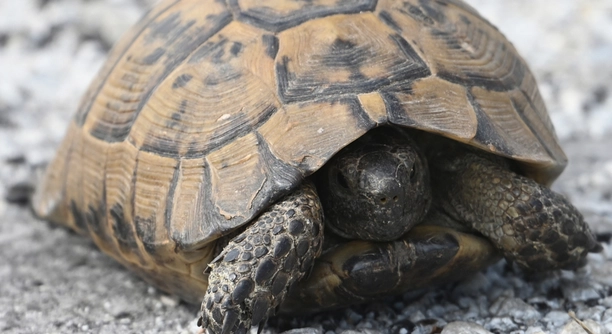
Some pet owners notice that their Greek tortoises only eat when food is offered directly from their hands. Understanding this behavior can help improve the relationship and feeding habits between you and your tortoise.
Greek tortoises may refuse to eat from a dish due to a preference for human interaction, limited food recognition, or past experiences. In the wild, they forage for food, but domesticated tortoises might associate hands with feeding.
There are several reasons why your tortoise might eat only from your hand. Understanding these causes will help you ensure your tortoise is both comfortable and well-fed.
Tortoises Learn From Their Environment
Greek tortoises are intelligent and can learn through experience. If your tortoise is used to being hand-fed, it may associate your hand with food. Over time, this can become a habit, and it might refuse to eat from a dish or bowl. They may also become hesitant if they don’t recognize the food placed in the dish. Since tortoises are naturally cautious, they rely on familiar, trusted sources of food.
Their experience with you and your hand reinforces the behavior. The more they are fed by hand, the more likely they are to expect it. Tortoises can be hesitant about new or unfamiliar items, and this uncertainty can make them less likely to eat from anything other than your hand. Understanding this pattern can help you shift their feeding habits.
If you want to break this cycle, you can start gradually introducing food in a dish. Place it near your tortoise and give them a little time to recognize it. Eventually, you may notice them becoming comfortable eating on their own.
Emotional Bond and Trust
Greek tortoises form strong bonds with their caretakers. They are more likely to eat when they feel safe and secure in their environment. This bond is often built through consistent care, including feeding.
If you’ve been feeding your tortoise by hand regularly, they may see your presence as a signal for food. The bond between you creates a sense of trust, making your tortoise feel more comfortable around you. In the wild, they are solitary creatures and are used to foraging alone, so eating from your hand might be a sign that they trust you.
As your tortoise becomes accustomed to you, the bond strengthens. This leads to a more positive feeding experience. To encourage eating independently, make sure their environment feels safe and calm. Avoid loud noises or sudden movements when offering food. Over time, they may be willing to eat without direct interaction.
Food Recognition Issues
Sometimes, your Greek tortoise may not recognize the food placed in front of them, especially if it is unfamiliar. They may hesitate or refuse to eat if they don’t recognize the smell, texture, or appearance of the food. This is common in tortoises that are used to hand-feeding, as the direct interaction often provides an additional layer of comfort and trust.
When food is presented by hand, the tortoise can more easily identify it as a treat. Tortoises rely heavily on their sense of smell to detect food. If the food is not familiar or smells different, they may avoid it. Offering the same food consistently in a dish can help with recognition. It’s also essential to provide a variety of foods that are safe and nutritious, so they don’t get too picky.
Changing the way food is offered can be tricky, but with patience, your tortoise can learn to eat from a dish. By gradually introducing familiar foods in a new way, you can break the habit of always expecting hand-fed meals. If your tortoise remains hesitant, try offering food from a bowl close to their normal feeding spot. Over time, they may become more comfortable with it.
Past Experiences with Food
If your tortoise has been hand-fed for a while, it might have developed an attachment to that routine. Past experiences with eating directly from your hand can influence their behavior. Tortoises are creatures of habit, and they feel secure in routines they understand.
Changing feeding practices can cause some hesitation. Your tortoise might feel unsure of food placed in a dish, especially if this wasn’t their normal experience in the past. This pattern of hand-feeding may feel like a safer option to them. They learn to trust your presence and your hands for meals, which encourages them to rely on you more.
To help your tortoise adjust to eating from a dish, continue feeding them by hand occasionally but try to add food to their dish at the same time. Let them gradually become more familiar with the dish and associate it with food, eventually reducing the need for hand-feeding. Be patient, as this process can take time.
Stress and Anxiety
Stress can play a significant role in your tortoise’s feeding habits. If they feel uneasy in their environment, they may refuse to eat from a dish. Hand-feeding may be seen as more comforting because it provides closer, more direct interaction.
Tortoises can become stressed by changes in their environment, such as new surroundings, loud noises, or unfamiliar people. This stress can lead to a loss of appetite or hesitation to eat. It’s essential to make their space as calm and predictable as possible to reduce stress.
Temperature and Lighting
A tortoise’s eating habits can also be influenced by their habitat’s temperature and lighting. If they are too cold or not receiving enough light, their metabolism slows down, and they may lose interest in food.
Greek tortoises need a proper basking spot with the right temperature to stay active and hungry. Without the correct temperature range, they might feel lethargic and not want to eat, even if food is readily available. Make sure their enclosure is equipped with both heat and UVB lighting to support their digestion and overall health.
FAQ
Why does my Greek tortoise only eat from my hand?
Your Greek tortoise likely eats from your hand because it has learned to associate your presence with food. Over time, it has come to rely on the direct interaction of hand-feeding, which can feel more secure and familiar. Tortoises are naturally cautious creatures and prefer routines they understand. If hand-feeding has been a consistent practice, your tortoise may not recognize or trust food placed in a dish. Offering food in the dish gradually while still occasionally hand-feeding can help break this habit.
Can my tortoise become dependent on hand-feeding?
Yes, your tortoise can become dependent on hand-feeding if it continues regularly. This behavior is rooted in the routine of eating directly from your hand. While this is not inherently harmful, it can make feeding more difficult over time, especially if you’re trying to transition them to eating from a dish. Gradually introducing food in a dish while continuing hand-feeding can help ease the transition.
How can I get my tortoise to eat from a dish?
Start by placing familiar food in the dish and offering it close to your tortoise. You can also try gently guiding them toward the dish by placing food near it. Don’t force them, as this can create stress. Be patient and allow them to get used to the idea that food in the dish is just as good as food from your hand. Gradually reduce the amount of hand-feeding over time.
What should I do if my tortoise is not eating at all?
If your tortoise is refusing to eat, it’s important to rule out any health issues. Check if their environment is at the proper temperature, if they have access to the correct lighting, and if their diet is varied and nutritious. Stress can also impact appetite, so ensure their habitat is calm and free from disturbances. If the refusal to eat continues, it’s a good idea to consult with a vet to check for underlying health problems.
Can the food I offer my tortoise be the reason it only eats from my hand?
Yes, the food might play a role in why your tortoise refuses to eat from a dish. If the food offered in the dish is unfamiliar or not to their liking, they may be hesitant to eat. Tortoises can be picky eaters, and they often prefer food they are familiar with. Offering a variety of foods and making sure they are fresh and properly prepared can help encourage them to eat from a dish.
How do I know if my tortoise is stressed?
Signs of stress in tortoises include refusal to eat, hiding more than usual, excessive pacing, or displaying defensive behaviors like withdrawing into their shell when approached. Stress can be triggered by changes in their environment, such as loud noises, new pets, or handling. If you notice these behaviors, try to address the cause of stress and ensure their environment is stable and calm.
Is it normal for my tortoise to only eat when I’m around?
It’s not uncommon for tortoises to prefer eating in the presence of their caretaker. This behavior is often linked to the bond they form with you over time. They may feel more comfortable eating when they associate you with safety and food. However, over time, you can encourage them to eat independently by gradually offering food in a dish.
Should I be worried if my tortoise won’t eat from a bowl?
Not necessarily, but it can be a sign that your tortoise is not yet comfortable with that feeding method. Tortoises are creatures of habit and may need time to adjust to eating from a bowl. You can try placing their food closer to the bowl and offering food from your hand initially to help with the transition. If they continue to refuse, it may be worth looking into their environment or diet.
Can temperature and lighting affect my tortoise’s feeding habits?
Yes, improper temperature and lighting can influence your tortoise’s appetite. If their enclosure is too cold or lacks UVB light, their metabolism slows down, making them less likely to eat. Greek tortoises require a basking spot with a temperature between 90-95°F (32-35°C) and UVB lighting to stay healthy and active. Ensure their environment is properly regulated to encourage normal feeding behavior.
What can I do if my tortoise is refusing to eat despite proper conditions?
If your tortoise is refusing to eat even in optimal conditions, check their health. A loss of appetite can be a sign of illness, injury, or parasites. Sometimes, changes in their environment, like a new pet or different handling, can also cause stress and affect their feeding. If the refusal to eat persists for more than a few days, it’s best to consult with a veterinarian who specializes in reptiles.
How often should I feed my Greek tortoise?
Greek tortoises should be fed daily, with a varied diet of leafy greens, vegetables, and occasional fruits. It’s important to avoid overfeeding them with high-calcium or high-protein foods, as it can lead to health issues. Their diet should primarily consist of fiber-rich foods that support healthy digestion. Ensure they always have fresh water available.
When your Greek tortoise only eats from your hand, it’s usually because of learned behavior and comfort. Tortoises are creatures of habit and will often rely on what they know, especially when it comes to food. If hand-feeding has become a regular routine, your tortoise may simply expect that interaction. Over time, they may become hesitant to eat from a dish or bowl, especially if they don’t recognize the food or the dish itself. This behavior is common, but it can be addressed with patience and consistency.
Changing your tortoise’s feeding habits can take time, but it’s certainly possible. The key is to make gradual adjustments to their environment and feeding routine. Start by placing food in a dish near them, making sure it’s something they recognize and enjoy. At the same time, continue offering food by hand but reduce the frequency over time. This slow transition helps your tortoise adjust without feeling too stressed or uncertain. Always ensure that the environment is calm and stable, as stress can affect their willingness to eat.
Remember, your tortoise’s health and well-being come first. If they continue to refuse food or show signs of stress, it’s important to consider factors like temperature, lighting, and overall habitat conditions. If needed, consult with a vet to rule out any health issues. With time, your tortoise can become more comfortable with eating from a dish, leading to a healthier and more independent feeding routine.

Hello,
If you enjoy the content that we create, please consider saying a "Thank You!" by leaving a tip.
Every little bit helps us continue crafting quality advice that supports the health, happiness, and well-being of pets around the world, for pets of all shapes, sizes, and species.
We really appreciate the kindness and support that you show us!