
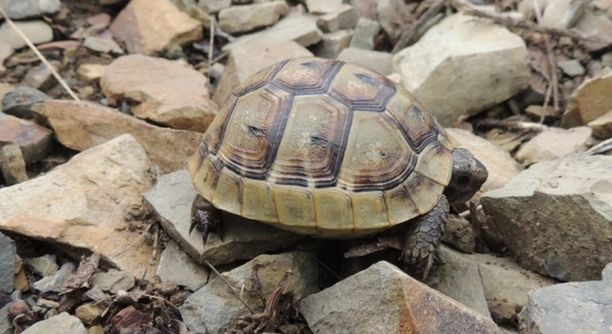
Greek tortoises are known for their curiosity and active behavior. If your tortoise has been trying to climb walls, you may wonder why this is happening and if it’s a cause for concern.
Tortoises may attempt to climb walls due to a variety of factors, such as instinctual exploration, seeking warmth, or trying to escape. Enclosures that are too small or lack enrichment can also lead to such behaviors, as they search for stimulation.
Understanding these causes will help improve your tortoise’s environment and overall well-being. Keep reading to find out how to address these behaviors effectively.
Lack of Space in the Enclosure
One of the most common reasons a Greek tortoise will try to climb walls is insufficient space in its enclosure. These reptiles are active and need plenty of room to roam. If the space is too small, they can become frustrated and attempt to escape by climbing.
Providing an adequately sized habitat is essential for their well-being. The enclosure should be large enough to allow for natural movement and exploration. A cramped environment not only stresses the tortoise but can also affect its health in the long run.
A general recommendation is a 4-foot by 8-foot enclosure for an adult tortoise. This gives them enough space to move around freely. Additionally, consider using larger enclosures as they grow, allowing more room to explore and preventing climbing behavior. A spacious environment reduces stress and ensures your tortoise stays active and happy.
Temperature Concerns
Another factor contributing to wall-climbing is temperature regulation. Greek tortoises are highly sensitive to their surroundings and need proper warmth to feel comfortable. If they are not getting enough heat, they may try to climb to reach warmer spots.
In the wild, these tortoises naturally seek warmth from the sun. A similar setup in captivity, with a heat lamp or basking area, is important. If the environment is too cold or lacks the correct temperature gradient, tortoises may try to escape the enclosure in search of better conditions. Make sure to provide a basking area that reaches around 90°F and a cooler area between 70°F and 80°F.
Seeking Attention
If your Greek tortoise is seeking attention, it might try to climb walls to get noticed. These tortoises can become more active if they feel ignored. Sometimes, climbing serves as a way for them to make their presence known.
Tortoises are social creatures, and when they feel isolated, they may act out in different ways, including climbing walls. They may be trying to signal that they want more interaction or stimulation. Spending more time with them or offering new activities can reduce this behavior. Providing an enriching environment with various hiding spots, plants, and climbing structures can also give your tortoise something to do, which reduces the need for attention-seeking behaviors.
Many owners find that their tortoises calm down when given more attention. A tortoise may try climbing walls more frequently when it feels bored or lonely. To address this, try to engage your tortoise with out-of-enclosure activities, like supervised outdoor time. This offers a change of scenery and helps prevent restlessness.
Enclosure Not Secure
If the enclosure is not secure, your tortoise may attempt to climb out. Tortoises are excellent climbers and can often find ways to escape if the setup is not properly designed. A wall that is too low or an enclosure with gaps can make it easy for them to escape.
The risk of escape is higher if the enclosure has poor barriers. Greek tortoises are driven by the instinct to explore, and if they sense an opportunity to leave their environment, they will take it. This behavior can be dangerous for them, as it exposes them to risks like predators or harsh weather.
To prevent escape attempts, make sure the enclosure is secure with high enough walls. They should be at least 12 to 18 inches high, depending on the size of your tortoise. Also, ensure there are no gaps or areas where your tortoise could slip through or climb out. Adding a secure lid or cover can also keep your tortoise safe.
Uncomfortable Living Conditions
Tortoises may try to climb walls if their living conditions are uncomfortable. Unfavorable temperatures, humidity, or poor ventilation can make the enclosure feel inhospitable. They may climb in search of better conditions.
Ensuring that the enclosure is well-ventilated and maintaining proper humidity levels can help create a more comfortable space. If the tortoise feels stressed or uncomfortable, it will look for a way out. Regularly checking and adjusting these factors can help reduce climbing attempts.
Lack of Enrichment
Tortoises that lack mental stimulation and enrichment often look for ways to entertain themselves, including wall climbing. Adding new items like tunnels, ramps, or climbing structures can help keep your tortoise occupied.
The more engaging the environment, the less likely your tortoise is to climb the walls. By providing stimulating features in the enclosure, such as hiding places or edible plants, you can prevent your tortoise from getting bored and searching for an escape. These additions offer mental and physical challenges, making the enclosure feel more fulfilling.
Stress or Anxiety
Stress can also cause your tortoise to climb. If there’s constant noise, sudden movements, or the presence of other pets, the tortoise might become anxious. This behavior often results in attempts to escape the enclosure.
If you notice stress-related behaviors, it’s important to remove or reduce the stress factors. Ensure that the environment is calm and quiet, and place the enclosure in a less busy area of your home. Proper care and attention to their environment can help alleviate anxiety.
FAQ
Why is my Greek tortoise trying to climb the walls?
Your Greek tortoise might be climbing the walls due to boredom, stress, or an inadequate environment. A small enclosure, lack of enrichment, or uncomfortable conditions can lead to this behavior. It’s important to make sure the space is large enough, provide mental stimulation, and maintain appropriate temperature and humidity levels to keep your tortoise comfortable and prevent climbing attempts.
How can I stop my tortoise from climbing walls?
To stop your tortoise from climbing, you’ll need to address the underlying causes. Start by ensuring the enclosure is secure and spacious enough for them to move around. Add enrichment like ramps, tunnels, and plants to provide mental stimulation. Ensuring proper temperatures, humidity, and reducing stressors in the environment will also help.
Can a Greek tortoise climb out of its enclosure?
Yes, Greek tortoises are capable climbers and may try to escape if their enclosure isn’t secure. They can climb over low walls or squeeze through gaps. It’s crucial to have high enough walls—at least 12 to 18 inches high—and ensure there are no weak points where the tortoise can escape.
How big should the enclosure be for a Greek tortoise?
A Greek tortoise should have an enclosure that is at least 4 feet by 8 feet for an adult. This gives them enough space to roam and exercise. As they grow, the enclosure should be expanded accordingly to prevent frustration and climbing attempts. Larger spaces also reduce stress.
What temperature should the enclosure be for a Greek tortoise?
Greek tortoises need a temperature gradient in their enclosure. The basking area should be around 90°F, while the cooler side should range from 70°F to 80°F. This range allows the tortoise to regulate its body temperature. Make sure to monitor the temperature regularly with a thermometer to ensure a comfortable environment.
Can stress cause my tortoise to climb the walls?
Yes, stress is a common reason why tortoises try to climb walls. Stress can be caused by factors such as noise, overcrowding, or the presence of other pets. If the environment is too hectic or uncomfortable, your tortoise may try to escape in search of a calmer space.
How do I know if my tortoise is stressed?
Signs of stress in a Greek tortoise can include unusual behavior like excessive climbing, lack of appetite, or hiding more than usual. If your tortoise seems withdrawn or agitated, it’s a sign that something in its environment might be causing distress. Addressing the root causes, such as reducing noise or adjusting its habitat, can help.
Can I use a smaller enclosure for a baby Greek tortoise?
A smaller enclosure may be appropriate for a baby tortoise, but it should still be spacious enough for them to move around comfortably. A 2-foot by 3-foot enclosure is suitable for babies. As they grow, the enclosure size should be increased to meet their changing needs. Proper space helps reduce stress and prevents climbing behaviors.
Why is my tortoise trying to climb even when the enclosure is secure?
If your tortoise is still trying to climb despite a secure enclosure, it could be a sign of boredom or lack of stimulation. Tortoises need both physical and mental enrichment. Adding climbing structures, plants, and objects that encourage foraging and exploration can help alleviate this behavior. Additionally, if the temperature is not ideal, your tortoise may be trying to find a warmer area.
Is it safe for my Greek tortoise to climb the walls?
Climbing is generally not dangerous for a Greek tortoise if the walls are low and secure. However, if your tortoise is attempting to climb high walls, it can result in injury from falling. Ensure that the enclosure walls are high enough to prevent escape, and the environment is safe for exploration.
How can I create a better environment for my tortoise?
To create a better environment for your Greek tortoise, start by ensuring the enclosure is large enough, with appropriate hiding spots, climbing structures, and plants. Maintain a temperature gradient and monitor humidity levels. Regularly check the enclosure for any weak points where your tortoise could escape or climb. A well-designed habitat promotes happiness and reduces undesirable behaviors.
Final Thoughts
Addressing the reasons why your Greek tortoise is climbing walls involves understanding its needs and making adjustments to its environment. Tortoises are naturally curious animals, and if they feel uncomfortable or bored, they may try to escape or climb in search of a more suitable environment. By providing an adequate enclosure with sufficient space, temperature control, and enrichment, you can reduce the chances of your tortoise engaging in wall-climbing behavior.
Paying attention to factors such as temperature and humidity is crucial for keeping your tortoise healthy and content. Greek tortoises thrive in specific conditions, and if the enclosure isn’t set up correctly, it can lead to stress and restlessness. By ensuring that your tortoise has a comfortable, well-ventilated, and calm environment, you are more likely to see less climbing and more natural, relaxed behaviors. Regular monitoring of its habitat and making necessary adjustments can help create a stable living environment.
In the end, addressing wall-climbing behaviors involves a combination of environmental improvements and mental stimulation. A tortoise needs a space where it can explore, hide, and be active. Adding climbing structures, natural objects, and safe spaces to explore can provide both mental and physical enrichment. Keeping a balanced habitat that takes into account temperature, humidity, space, and comfort will ensure that your Greek tortoise is not only free from climbing but also happy and healthy in the long run.

Hello,
If you enjoy the content that we create, please consider saying a "Thank You!" by leaving a tip.
Every little bit helps us continue crafting quality advice that supports the health, happiness, and well-being of pets around the world, for pets of all shapes, sizes, and species.
We really appreciate the kindness and support that you show us!