
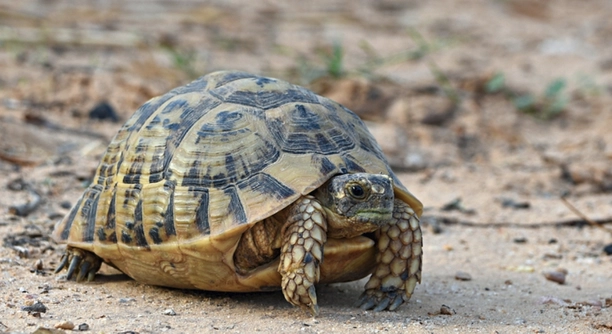
Your Greek tortoise may be attempting to climb out of its tank for various reasons. Understanding these behaviors can help provide a better living environment for your pet and address potential issues related to its well-being.
Tortoises often try to climb their enclosures due to stress, boredom, or inadequate habitat conditions. It may also signal a desire for more space, improper temperatures, or a lack of stimulation. Addressing these factors can help reduce climbing behavior.
Addressing the causes of climbing behavior will ensure your tortoise’s environment meets its needs, promoting a healthier and more content lifestyle.
Inadequate Space for Your Greek Tortoise
Greek tortoises are known to roam long distances in the wild. If their enclosure is too small, they may try to climb over the tank to find more room. A cramped living space can make them feel confined and stressed. They need enough room to move around comfortably, bask in the warmth, and hide when necessary.
Adding extra space or a larger tank can solve this issue. Consider expanding their habitat by using a larger enclosure or creating a more stimulating environment.
Make sure your tortoise’s tank mimics the space it would have in nature. This includes offering enough area for your tortoise to walk, climb, and explore. Not providing ample space can cause frustration, leading to more climbing behavior.
Improper Temperature or Humidity Levels
Greek tortoises require a specific range of temperatures to stay healthy. If your tank is too cold or too hot, it may encourage climbing as they search for a more suitable environment.
Ensure the temperature inside the enclosure is within the ideal range for Greek tortoises, usually between 75°F and 85°F. Too much heat or cold can make them feel uncomfortable and stressed. Additionally, incorrect humidity levels can affect their well-being, leading them to try escaping in search of better conditions.
Lack of Stimulation
A lack of mental stimulation can lead your tortoise to become restless and attempt to escape. If your tortoise has limited objects or opportunities for exploration, climbing can become a way to alleviate boredom.
Tortoises enjoy climbing on rocks, logs, and other objects. Providing climbing structures and enriching their environment can reduce the desire to climb the tank walls.
The addition of different textures and places to hide will create a more engaging space. It also encourages natural behaviors, which can help reduce stress and prevent constant climbing. An enriched environment keeps them occupied and happy.
Unnatural Lighting or Day/Night Cycle
Proper lighting plays a significant role in your tortoise’s health. If the lighting in the tank is too harsh or inconsistent, it may confuse their biological clock. This can lead to climbing as they try to escape or find a more suitable spot.
Your Greek tortoise needs a consistent light cycle to mimic natural daylight. Make sure they have access to UVB light during the day and darkness at night. Inconsistent light can disrupt their sleep patterns, causing them to be more active than usual and increasing the urge to climb out of their enclosure.
Mating Behavior
During mating season, male Greek tortoises can become more active and restless. They may attempt to climb out of their enclosure in search of a mate. This natural behavior can seem like an escape attempt but is driven by reproductive instincts.
If your tortoise is displaying this behavior, it’s likely linked to its natural cycles. Providing a more secure enclosure and monitoring the season can help manage this. Ensuring there are no external threats or distractions may also reduce their desire to climb.
Health Issues
A common reason for climbing can be an underlying health issue, such as shell discomfort or injuries. If your tortoise feels unwell, it may try to escape the tank to find relief.
Check your tortoise for signs of illness, such as a lack of appetite or unusual lethargy. A visit to the vet may be necessary to rule out health problems. It’s important to keep their environment clean and stress-free to help them recover if needed.
FAQ
Why is my Greek tortoise trying to climb out of its tank?
Your Greek tortoise may be trying to climb out due to a variety of reasons. Most commonly, it’s either due to inadequate space, improper temperature or lighting, or a lack of mental stimulation. It’s essential to ensure your tortoise has enough room to roam, the right environmental conditions, and plenty of enrichment to keep it happy.
What should I do if my Greek tortoise is constantly trying to climb?
If your tortoise is repeatedly trying to climb, it’s a sign that something in its environment is not ideal. Start by checking the temperature and humidity levels in the tank. Ensure it has enough space to move around, and add climbing structures to give it more opportunities to engage. If none of these changes work, consider a larger tank or seeking advice from a reptile vet.
Can climbing mean my Greek tortoise is stressed?
Yes, climbing can indicate stress. If your tortoise feels confined, uncomfortable, or bored, it may try to climb to find a more suitable environment. Stress can also be caused by improper temperature, lighting, or habitat conditions. Reducing these stress factors is key to stopping the climbing behavior.
How can I make my Greek tortoise’s tank more interesting?
To keep your tortoise mentally stimulated, try adding objects like rocks, logs, and plants for it to climb and hide. These additions mimic the natural environment and encourage exploration. You can also vary the substrate and provide areas for basking and burrowing. Changing the layout occasionally helps keep your tortoise engaged.
Should I be concerned if my Greek tortoise is climbing all the time?
Frequent climbing might be a sign that something is wrong, especially if it’s constant. It could be a sign of discomfort or that its enclosure is too small. However, if it is seasonal or occurs during active periods, it may simply be a part of natural behavior. Monitor your tortoise for any other signs of distress.
Can lighting affect my tortoise’s climbing behavior?
Yes, improper lighting can impact your tortoise’s behavior. If the light cycle is inconsistent, it could confuse your tortoise’s internal clock, leading to increased activity, including climbing. It’s important to provide a consistent light and dark cycle to mimic natural conditions. Use UVB lighting during the day to support health.
How do I know if my Greek tortoise is trying to escape or just exploring?
Tortoises are naturally curious, but climbing often stems from a desire to escape a poor environment. If your tortoise is trying to climb out consistently, it’s more likely looking for a better place to rest or roam. If it’s occasional and happens only during active times, it may just be exploring.
Can mating behavior cause my Greek tortoise to climb the walls of the tank?
Yes, during mating season, males may become more restless and active, often trying to climb in search of a mate. This behavior is natural but can be concerning if it happens year-round. If it’s mating-related, the climbing will subside once the season ends. Monitor the tank and remove any distractions.
What temperature should my Greek tortoise’s enclosure be?
Greek tortoises thrive in temperatures ranging from 75°F to 85°F (24°C to 29°C). It’s important to have a heat source to create a basking spot at around 90°F (32°C). Keeping the enclosure within this temperature range will prevent climbing due to discomfort or searching for a more suitable environment.
Can a lack of food cause my tortoise to climb?
Yes, if your tortoise is hungry or not receiving enough food, it may exhibit climbing behavior in an attempt to find food or escape. Make sure your tortoise is eating a balanced diet, and check the feeding schedule. Regular meals and access to fresh water will help keep climbing behavior at bay.
How often should I change the habitat setup for my Greek tortoise?
Changing the habitat layout every few months can help prevent boredom. You don’t need to drastically alter it, but adding new climbing structures, changing the substrate, or introducing new hiding spots can provide the variety your tortoise needs. This keeps the environment fresh and stimulating.
Final Thoughts
Understanding why your Greek tortoise is trying to climb out of its tank is important for its well-being. Most of the time, climbing is linked to environmental issues, such as an insufficient tank size, improper temperature or lighting, or a lack of stimulation. By addressing these issues, you can help create a more comfortable and enriching habitat. Monitoring your tortoise’s behavior and making necessary adjustments to its environment will help ensure it remains happy and healthy.
It’s essential to recognize that climbing can also be a sign of natural behaviors, such as mating instincts or curiosity. If your tortoise is displaying this behavior seasonally, it might just be responding to its internal clock. However, if it’s persistent and appears to be linked to stress or discomfort, then immediate changes to its environment are necessary. Providing proper lighting, temperature, and plenty of enrichment can go a long way in reducing climbing and promoting your tortoise’s overall well-being.
By making sure your tortoise has the right conditions, a large enough enclosure, and various elements to explore, you’ll see a positive change in its behavior. Regular checkups, along with keeping an eye on its physical and mental health, are key. With a few simple changes, your Greek tortoise can enjoy a safe and stimulating home, reducing the need to climb and improving its quality of life.

Hello,
If you enjoy the content that we create, please consider saying a "Thank You!" by leaving a tip.
Every little bit helps us continue crafting quality advice that supports the health, happiness, and well-being of pets around the world, for pets of all shapes, sizes, and species.
We really appreciate the kindness and support that you show us!