
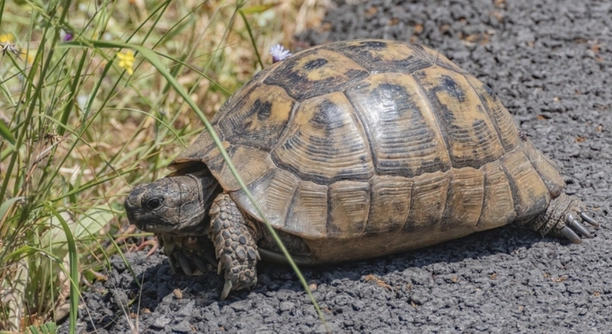
Your Greek tortoise may often try to climb its surroundings, displaying behavior that can leave you wondering about the cause. Understanding these actions is important in ensuring their well-being and providing them with a safe, enriched environment.
The primary reason your Greek tortoise attempts to climb is due to natural instincts to explore and seek out higher ground. Tortoises may also climb in search of food, to escape perceived threats, or due to environmental stressors.
There are various factors that contribute to this climbing behavior, and knowing the root causes will help you create a comfortable habitat for your tortoise.
1. Natural Exploration Instincts
Greek tortoises are naturally curious creatures and enjoy exploring their surroundings. In the wild, they roam large areas, seeking food, shelter, and places to bask in the sun. Your tortoise’s climbing attempts likely stem from this desire to explore. If you’ve noticed your pet trying to climb up walls, rocks, or even its enclosure, it’s simply following its instincts to search for something it needs. This behavior is completely normal and is rooted in the tortoise’s need to investigate its environment. They may climb because they feel restricted or are just looking for something different in their space.
Providing a more spacious habitat can help reduce this behavior. If your tortoise has plenty of room to move around, it may feel less compelled to climb.
It’s also helpful to include objects in the enclosure that mimic the environment they would naturally explore, such as rocks or logs, which can satisfy their curiosity and reduce the urge to climb.
2. Searching for Food
Food plays a major role in a tortoise’s climbing behavior. Your Greek tortoise may try to climb if it’s in search of a tasty treat. In the wild, they constantly move around to forage for food. Climbing or seeking higher ground can be a method for them to find more variety in their diet, especially if they believe food could be located on a higher surface. If your tortoise is regularly climbing, it might indicate it’s not finding enough food where it’s currently located.
Offering food in various areas of the enclosure, including elevated spots, could prevent your tortoise from feeling the need to climb in search of more. You can also try hiding its food in different places to encourage natural foraging behavior, keeping it mentally stimulated. A well-balanced, regular feeding routine should help curb this climbing urge.
In addition to food, fresh water should always be accessible, as dehydration can cause restlessness in tortoises, potentially leading to increased climbing attempts.
3. Environmental Stressors
Stress can make your Greek tortoise try to climb in an attempt to escape its discomfort. Factors such as loud noises, bright lights, or a busy household may disturb your tortoise’s peace. These stressors can prompt your pet to try climbing as a way to find a more quiet or safer place.
It’s important to provide your tortoise with a calm, quiet space to avoid stress. Placing its enclosure in a quiet corner, away from household traffic, can help. Avoid loud music, sharp sounds, or other disruptions near its habitat. If you notice your tortoise climbing more during stressful times, consider changing its environment to give it more peace.
Tortoises are also sensitive to sudden temperature fluctuations. If the temperature in their environment is too hot or cold, they may try to climb as a way to escape the discomfort. Ensuring a consistent, comfortable temperature range will help keep your tortoise at ease and reduce stress-induced climbing behavior.
4. Mating Behavior
During mating season, your Greek tortoise may try climbing as part of its natural mating behavior. Male tortoises often attempt to climb on top of females in an effort to mate. This behavior can sometimes be mistaken for climbing out of the enclosure.
Understanding the timing of mating seasons can help you recognize this behavior as part of your tortoise’s natural instincts. If you have both male and female tortoises, mating attempts can lead to increased climbing. Providing separate spaces for each tortoise may help reduce these attempts.
If your tortoise is alone, it’s likely responding to hormonal changes that trigger mating behavior. This is a completely natural phase, and while it may seem odd, it’s simply part of the tortoise’s biological rhythm.
5. Lack of Space
If your tortoise doesn’t have enough room to move around, climbing may be a sign of frustration. A cramped environment can make it feel trapped, leading it to seek out higher ground or escape routes.
Make sure your tortoise’s enclosure is large enough for it to roam comfortably. Providing enough space encourages natural behaviors and helps prevent climbing. Adding hiding spots and climbing surfaces, like rocks or logs, also helps simulate a more natural environment.
A spacious enclosure will give your tortoise the freedom it needs and reduce unnecessary climbing attempts.
6. Boredom
Boredom can cause your tortoise to engage in repetitive behaviors, including climbing. If there’s not much to do in its habitat, your tortoise might try climbing as a way to relieve its boredom.
Tortoises need mental stimulation, just like physical space. Introducing toys, varied textures, or different surfaces to explore can help break up their routine. Regular changes in their environment keep them active and prevent climbing caused by boredom. Even simple things like rotating hideouts or changing the layout can make a big difference.
7. Improper Lighting
Inadequate lighting can cause your tortoise to climb. If it’s not getting enough UVB light, it may feel compelled to move around more or seek a better spot to bask.
Ensure your tortoise has access to proper UVB lighting for at least 10-12 hours a day. Lack of exposure to natural sunlight or UVB bulbs can lead to health problems, including lethargy and abnormal behaviors. Proper lighting helps regulate their activity levels and supports their overall health, preventing unnecessary climbing attempts.
FAQ
Why does my Greek tortoise keep climbing the walls?
Your tortoise might climb the walls due to natural curiosity or a desire to escape its environment. Greek tortoises are naturally explorers, and in a confined space, they may climb to find new areas or satisfy their need for exploration. It could also indicate that it’s searching for food or attempting to avoid stressors in its enclosure. The climbing could be due to feeling confined or bored, so providing a larger space or more enrichment could help.
How can I stop my Greek tortoise from climbing?
To stop your tortoise from climbing, it’s essential to address its needs. Make sure it has enough space to roam freely, as a small enclosure can make it feel restricted. Add elements to its habitat that mimic natural surroundings, like rocks or logs, to help satisfy its climbing instinct. Regularly changing the environment or providing new food spots may also reduce climbing behavior. Ensuring that your tortoise has a stable, calm environment with proper lighting and temperature can also minimize climbing caused by discomfort.
Is climbing a sign of a problem in my tortoise’s health?
Climbing is generally not an indication of a health problem, but it can point to discomfort or environmental stress. If the climbing is accompanied by other unusual behaviors, like lethargy or appetite loss, it’s worth consulting a veterinarian. Tortoises can climb if they feel stressed, hungry, or cramped, and addressing these issues will help your tortoise feel better. Ensure that its habitat is comfortable, well-lit, and spacious to promote a healthy and happy environment.
Can a small enclosure cause my tortoise to climb?
Yes, a small enclosure can make your tortoise feel trapped and may increase its climbing behavior. Tortoises need space to explore and feel comfortable. If the space is too small, they may try to climb the walls to find more room. Make sure your tortoise’s enclosure is large enough for it to move around, bask, and forage naturally. Ideally, the enclosure should be a minimum of 4-6 times the length of your tortoise for adequate roaming space.
How do I know if my tortoise is climbing because of stress?
Stress can lead to climbing behavior in tortoises, but other signs include hiding more than usual, decreased eating, or erratic movements. Stress can be caused by environmental factors like loud noises, improper temperatures, or overcrowding. If your tortoise is climbing and also showing other signs of discomfort, it’s important to assess its living conditions and make adjustments to reduce stress. A calm, quiet environment with proper lighting and temperature control can help.
Does my Greek tortoise need to climb?
Climbing is not a necessity for your Greek tortoise, but it is a natural behavior. In the wild, tortoises climb to access food, bask in the sun, or avoid predators. While climbing is instinctive, it’s not something they have to do all the time. Providing appropriate enrichment like logs or rocks can allow your tortoise to satisfy its climbing instinct without feeling the need to escape. Make sure there are also plenty of flat spaces for them to roam comfortably.
Can my Greek tortoise climb out of its enclosure?
Greek tortoises are strong climbers, and if the walls of their enclosure are low enough, they might be able to climb out. If your tortoise is consistently attempting to climb out, consider increasing the height of the enclosure walls or adding a lid. Adding elements to the enclosure, like taller rocks or hiding spots, can discourage climbing and help your tortoise feel secure within its environment.
What should I do if my tortoise keeps climbing?
If your tortoise keeps climbing, start by assessing its environment. Ensure the enclosure is spacious and well-designed, with appropriate lighting, temperature, and humidity levels. Offer hiding spots and climbing surfaces like rocks or logs to allow natural behaviors without the need for excessive climbing. If your tortoise continues to climb, you might want to adjust its habitat by adding enrichment or rearranging the layout to keep it entertained. Regular observation can help you pinpoint any stressors causing the behavior.
How can I keep my tortoise entertained to stop climbing?
Tortoises need mental and physical stimulation to stay happy. To prevent climbing from boredom, rotate toys and objects in its enclosure. Consider adding tunnels, plants, or more climbing surfaces to keep things interesting. You can also hide food around the enclosure to encourage foraging. A well-rounded diet and regular exercise will also help keep your tortoise satisfied and prevent excessive climbing behavior.
What are signs that my tortoise is not happy in its habitat?
If your tortoise is constantly climbing, not eating, or showing signs of lethargy, these could be indicators that something is wrong with its habitat. Other signs of unhappiness include digging excessively, staying hidden, or becoming more aggressive than usual. These behaviors often point to environmental stress, lack of space, or improper temperature and lighting conditions. Make sure the enclosure provides a comfortable, safe environment for your tortoise’s physical and mental health.
Final Thoughts
Understanding why your Greek tortoise climbs can help create a better living environment for it. Climbing is a natural behavior, but it can sometimes be a sign of discomfort or frustration. If your tortoise seems to climb excessively, it’s important to assess its habitat. Providing enough space, proper lighting, and temperature can help reduce climbing behavior. Regularly observing your tortoise’s actions will give you insight into whether it is climbing for natural reasons or due to stress.
A key factor in preventing climbing is ensuring your tortoise has a comfortable and enriched environment. Boredom, small enclosures, or improper lighting can lead to climbing. By adding elements like rocks, logs, or hiding spots, you can offer a more stimulating space. Tortoises are naturally curious and need variety in their environment. Rotating toys and surfaces can also keep them from feeling the need to climb. It’s essential to meet their physical and mental needs to reduce unwanted behavior.
Taking steps to address your tortoise’s needs will help minimize climbing and ensure its overall well-being. Whether it’s providing more space, addressing boredom, or offering a safe and comfortable environment, these adjustments can make a big difference. If climbing continues despite changes, it might be worth consulting a veterinarian to rule out any health issues. Your tortoise’s happiness and health are important, and creating the right habitat is key to maintaining a happy, healthy pet.

Hello,
If you enjoy the content that we create, please consider saying a "Thank You!" by leaving a tip.
Every little bit helps us continue crafting quality advice that supports the health, happiness, and well-being of pets around the world, for pets of all shapes, sizes, and species.
We really appreciate the kindness and support that you show us!