
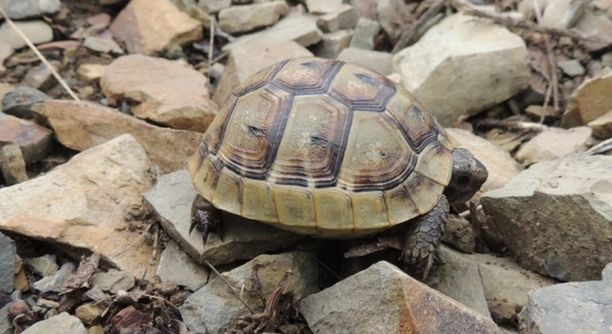
If your Greek tortoise keeps scratching its shell, it’s important to understand why this behavior is happening. Scratching can be a sign of various factors affecting your tortoise’s well-being, from its environment to its health.
Your Greek tortoise may scratch its shell for reasons like shedding, irritation, or stress. It could also be a response to an uncomfortable habitat, poor diet, or even health issues. Identifying the cause helps address it properly.
Understanding the root cause of this behavior is key to ensuring your tortoise stays healthy and comfortable. Keep reading to learn what might be happening and how to fix it.
Reasons Your Greek Tortoise May Scratch Its Shell
Greek tortoises scratch their shells for a few common reasons. One possibility is that they are shedding their scutes, the outer layer of their shell. As tortoises grow, they shed these layers to make room for new growth. This natural process may cause some discomfort, prompting them to scratch or rub against surfaces.
Another reason could be irritation caused by their environment. Uncomfortable humidity levels, temperature, or substrate can lead to scratching. If the habitat is too dry or too moist, your tortoise may try to relieve the discomfort by rubbing against objects. Scratching can also occur if they’re feeling stressed due to being housed with other tortoises or frequent disturbances.
Shell scratching can also be linked to health issues like fungal or bacterial infections. These conditions can irritate the skin beneath the shell, leading your tortoise to scratch to relieve the sensation. Always observe your tortoise for other signs of illness, like swelling or unusual behavior, and take action quickly.
How to Identify the Cause of Scratching
Pay attention to your tortoise’s behavior and the condition of its shell. If the scratching seems persistent or accompanied by swelling, changes in shell appearance, or lethargy, it could be a sign of health concerns.
First, make sure your tortoise’s habitat is properly set up with the right temperature, humidity, and a clean environment. If the scratching persists despite a well-maintained habitat, it may be time to consider possible health issues or stress.
Regularly check your tortoise’s shell and behavior for any unusual signs. Keep a close eye on its overall health to catch any potential problems early. If you’re unsure, don’t hesitate to consult a vet for guidance.
Checking for Health Problems
If your tortoise’s scratching is due to a health issue, look for signs like swelling, abnormal growths, or discoloration on the shell. These could indicate an infection or injury. You might also notice changes in your tortoise’s eating or behavior, such as a lack of appetite or lethargy.
Fungal and bacterial infections can irritate the skin beneath the shell, causing your tortoise to scratch or rub. Infections often occur if the shell is damaged or the habitat isn’t clean enough. If you suspect an infection, consult a vet for proper treatment, which may include antibiotics or antifungal medication.
In rare cases, your tortoise may scratch its shell because of internal parasites or other health conditions. Keep an eye out for changes in its stool or difficulty moving. These symptoms could point to a more serious problem that requires immediate attention from a vet.
Improving Your Tortoise’s Habitat
The condition of your tortoise’s habitat plays a big role in preventing scratching. Ensure the enclosure is large enough to allow for free movement and is equipped with hiding spaces. Your tortoise needs room to roam, but also areas where it feels secure.
Check the temperature and humidity levels regularly. If the environment is too hot or too cold, it can lead to stress and discomfort, causing your tortoise to scratch. Provide a heat source like a basking lamp to maintain a warm, comfortable environment. The temperature should vary throughout the enclosure, with a basking area of 90°F and a cooler side around 75°F.
Moisture levels also matter. Too much moisture can lead to fungal growth, while too little can cause dehydration. The substrate, like coconut fiber or organic soil, should be kept at the right level of dampness. Regular cleaning is essential to maintain the proper conditions.
Stress and Anxiety in Tortoises
Stress can lead to excessive scratching, as your tortoise may feel threatened or anxious in its environment. This can happen if there’s too much activity around the enclosure or if your tortoise is housed with other animals that cause it stress.
It’s important to provide your tortoise with a calm, quiet space. Avoid loud noises or sudden movements near its habitat. If your tortoise seems stressed due to its companions, consider separating them. Ensuring your tortoise feels safe will reduce its chances of scratching due to anxiety or fear.
Improper Diet and Nutrition
A poor diet can also contribute to shell scratching. If your tortoise is not getting the right balance of vitamins and minerals, its shell and skin can become weak and prone to irritation. A lack of calcium, for example, can affect the shell’s integrity.
Provide a varied diet rich in leafy greens, flowers, and occasional fruit. Offer foods that are high in calcium, like dandelion greens, to ensure your tortoise gets the nutrients it needs. You can also use a calcium supplement, but consult with a vet before adding any to its diet.
Overcrowding and Shell Damage
If your tortoise shares its space with other tortoises, overcrowding can lead to stress and aggression. In some cases, one tortoise may even scratch or bite another’s shell. This can cause damage, which may prompt additional scratching as the tortoise tries to relieve irritation.
Make sure each tortoise has enough space in its enclosure. If aggression occurs, separate the tortoises to prevent further harm. If shell damage is already present, treat it by cleaning the area gently and applying antiseptic if necessary.
FAQ
Why does my Greek tortoise scratch its shell?
Scratching is often a normal behavior in Greek tortoises. It can be due to natural shedding, which involves the outer layers of the shell being removed. It could also happen because of an uncomfortable environment, such as improper humidity or temperature. Other times, stress, irritation, or health problems like infections might cause this behavior. The key is to carefully observe your tortoise and ensure it’s living in a healthy and comfortable environment.
How can I tell if my tortoise has an infection?
Infections in tortoises can show up as swelling, discoloration, or softness in the shell. You might also notice unusual behavior such as lethargy, lack of appetite, or changes in movement. If you see any of these signs, it’s important to take your tortoise to a vet who specializes in reptiles. Infections can worsen quickly and need prompt treatment to prevent further complications. Regular health checks will help catch these issues early.
What temperature and humidity levels are ideal for my tortoise?
Greek tortoises need a basking area with a temperature of around 90°F, while the cooler side of their habitat should stay around 75°F. Humidity should be kept at 40-60%. Too high or too low in either of these areas can stress your tortoise and lead to behavior issues, like shell scratching. Ensure you provide a warm, dry place for basking and a cooler, more humid area for hiding. Monitoring these conditions regularly will keep your tortoise comfortable.
How often should I feed my Greek tortoise?
Greek tortoises generally need to be fed daily. Their diet should consist mostly of leafy greens, such as dandelion greens, kale, and collard greens. You can occasionally offer fruits and flowers as treats. Make sure their food is varied and rich in calcium to support shell health. Avoid overfeeding them, as it can lead to obesity and other health problems. Make sure fresh water is always available.
Is it normal for a tortoise to rub its face on the ground?
Yes, tortoises may rub their faces on the ground as part of their natural behavior. It could be an attempt to shed their skin or scutes from the shell. However, if the behavior is excessive or accompanied by other signs like irritation, injury, or infection, it may indicate a problem with the shell or skin. Observe your tortoise for any unusual symptoms to rule out health concerns.
Can scratching be a sign of boredom?
Boredom can sometimes lead to scratching. Greek tortoises are active animals that enjoy exploring, so if their enclosure lacks variety, they may start scratching the shell out of frustration. Providing different textures, hiding spots, and things to climb can help keep them entertained and engaged. A well-enriched environment can also reduce stress and prevent unwanted behaviors like excessive scratching.
What kind of substrate is best for my tortoise’s enclosure?
The substrate in your tortoise’s enclosure should be safe and absorbent. Common options include coconut coir, organic soil, and shredded paper. Avoid using sand, as it can cause digestive issues if ingested. The substrate should also be kept clean and dry, as wet environments can lead to fungal infections. Changing the substrate regularly helps maintain a healthy environment.
How can I tell if my tortoise is stressed?
Signs of stress in Greek tortoises include excessive scratching, hiding, lack of appetite, or erratic movement. Stress can be caused by environmental factors, such as incorrect temperature, humidity, or overcrowding. If you suspect stress, try to identify the cause and make changes. A stressed tortoise might need a quieter, safer environment, or it might need to be separated from other animals.
Should I trim my tortoise’s claws if it scratches a lot?
Claws may sometimes need trimming, especially if they are growing too long and causing discomfort. However, it’s important to be cautious when trimming, as cutting too much can cause injury. If you’re unsure how to trim the claws, consult with a vet or a reptile expert. Regular nail checks and proper substrate can help keep the claws naturally worn down.
What should I do if I notice a crack in my tortoise’s shell?
If you notice a crack in your tortoise’s shell, it’s important to treat it immediately. Clean the area gently with warm water and apply an antiseptic designed for reptiles. Keep the tortoise in a clean, dry environment to prevent infection. If the crack is deep or showing signs of infection, consult with a vet to prevent further damage and ensure proper healing.
Can my tortoise’s shell grow back if damaged?
Tortoises can heal from shell damage, but the process can be slow. The shell itself is made of bone and cannot “grow back” in the same way that skin does. However, the damaged area can slowly regenerate and repair over time, provided that the tortoise’s environment supports healing. The key is to ensure that the tortoise stays healthy, well-fed, and free from further injury.
Can other tortoises cause my tortoise to scratch its shell?
Yes, tortoises can cause harm to each other, especially if they are housed together in a small space. Overcrowding can lead to territorial disputes, with one tortoise biting or scratching the other. If you see one tortoise injuring another, it’s best to separate them to avoid stress and further damage. Each tortoise needs its own space to thrive.
What should I do if my tortoise refuses to eat?
If your tortoise is not eating, it could be a sign of stress, illness, or improper environmental conditions. Check the temperature and humidity levels in the enclosure to make sure they are optimal. If your tortoise continues to refuse food for more than a few days, it’s a good idea to consult with a vet to rule out health issues.
How can I prevent my tortoise from scratching its shell in the future?
To prevent scratching, ensure your tortoise’s environment is well-maintained. Keep the temperature and humidity levels within the ideal range, and provide a clean, safe space for it to explore. Offering a proper diet with sufficient calcium and ensuring that your tortoise isn’t stressed or overcrowded will also help keep it healthy and comfortable.
Final Thoughts
Understanding why your Greek tortoise scratches its shell is the first step in addressing the behavior. It’s important to consider the various possible causes, from natural shedding to environmental stress or health concerns. Scratching can often be linked to factors like an uncomfortable habitat or a poor diet. Keeping a close eye on your tortoise and its behavior can help you catch potential issues early. By monitoring its environment and ensuring it’s properly cared for, you can help prevent unnecessary scratching and keep your tortoise happy.
If you notice that the scratching is excessive or accompanied by other unusual signs, such as changes in behavior or the appearance of the shell, it may be a good idea to visit a vet. Health problems, like fungal or bacterial infections, can be difficult to identify without professional help. Timely intervention will ensure that your tortoise gets the right treatment, preventing further complications. It’s always better to be cautious and seek veterinary advice if you’re unsure.
By taking proper care of your tortoise’s habitat and diet, you’ll reduce the chances of scratching being a sign of something more serious. A well-maintained environment, along with a balanced diet rich in calcium and other essential nutrients, plays a significant role in your tortoise’s health. Regularly checking the temperature, humidity, and cleanliness of the enclosure will help keep your tortoise comfortable and stress-free. Keep an eye on its behavior, and with a little attention, you can help ensure your tortoise remains healthy and content for years to come.

Hello,
If you enjoy the content that we create, please consider saying a "Thank You!" by leaving a tip.
Every little bit helps us continue crafting quality advice that supports the health, happiness, and well-being of pets around the world, for pets of all shapes, sizes, and species.
We really appreciate the kindness and support that you show us!