
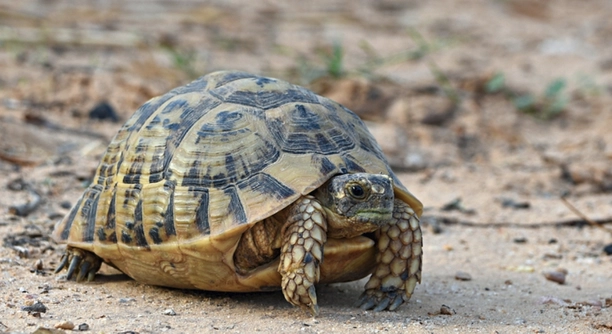
Greek tortoises are unique creatures, and watching their behaviors can be both fascinating and puzzling. One common action that might leave you wondering is when they rub their noses on rocks. This behavior is often observed, but understanding the reasons behind it can help.
Greek tortoises may rub their noses on rocks due to a variety of reasons, including natural instincts, physical discomfort, or environmental factors. These actions may help them explore, shed old skin, or relieve irritation in their nasal area.
There are multiple factors at play when your tortoise engages in this behavior, from health concerns to environmental conditions. Understanding these can help you create a better habitat for your little friend.
Natural Behavior
Rubbing their noses on rocks is often a natural instinct for Greek tortoises. In the wild, they interact with their surroundings by rubbing against objects such as rocks, branches, and dirt. This behavior helps them explore their environment, search for food, or navigate through areas they are unfamiliar with. It can also be part of their natural activity as they dig or forage. This instinctual action allows them to learn about their habitat and ensure they stay safe.
Even in captivity, tortoises retain these behaviors. If your tortoise is rubbing its nose, it may simply be exploring or adjusting to the environment around it. By doing so, they may also be marking territory or establishing boundaries in their space. This is generally a normal part of their routine.
Understanding this behavior can be reassuring because it’s a sign that your tortoise is actively engaging with its surroundings. It’s important to monitor it, but don’t be alarmed if this is happening frequently. It’s usually a healthy, instinctual action.
Skin Shedding
Rubbing their noses on rocks can help your tortoise shed old skin. Like many reptiles, Greek tortoises go through periodic shedding, and rubbing against rough surfaces can assist with this process.
As tortoises grow, they shed their outer layer of skin, and it’s common for them to rub against hard surfaces to help remove these skin flakes. This helps keep their body clean and free from any buildup that might cause discomfort. During this process, the rubbing motion can also help stimulate blood flow to the skin, aiding in the shedding process.
While it may seem odd, this behavior is often harmless. It’s a healthy way for your tortoise to manage its skin and ensure it remains in top condition. In fact, a well-maintained habitat that encourages natural behaviors like rubbing against rocks can make a big difference in your tortoise’s overall health.
Make sure that the surfaces your tortoise interacts with are not too sharp, as this could cause injury to its delicate skin. Monitor closely to ensure they’re rubbing in a safe manner.
Respiratory Issues
If your tortoise is rubbing its nose on rocks more than usual, it might be a sign of respiratory discomfort. Greek tortoises are prone to respiratory issues, which can be caused by various factors, including improper humidity or temperature in their habitat. These conditions can irritate the nasal passages and make it difficult for the tortoise to breathe comfortably.
Respiratory distress can lead to behaviors such as nose rubbing as the tortoise tries to clear its airways. If you notice other signs like nasal discharge, wheezing, or difficulty breathing, this may indicate a respiratory infection. Keeping your tortoise’s enclosure at the correct temperature and humidity levels is essential for preventing these types of issues.
A visit to a reptile vet is a good idea if you suspect respiratory problems. Proper care and attention to environmental factors can prevent serious health concerns. If you notice prolonged or unusual nose rubbing, it’s important to act quickly to ensure the tortoise’s health isn’t compromised.
Nose Irritation
Sometimes, a Greek tortoise’s nose may become irritated from environmental factors like dust, chemicals, or allergies. If your tortoise is rubbing its nose on rocks repeatedly, it might be attempting to relieve that irritation. This could be due to anything from a dirty tank to being exposed to something that triggers an allergic reaction.
The best way to address this is to ensure that your tortoise’s environment is clean and free from harmful irritants. Dust from bedding or food debris may cause discomfort, leading to excessive rubbing. Additionally, check for any signs of infection, which could also cause irritation around the nose.
Keeping their living space free from pollutants or potential allergens is key. Regular cleaning of their tank, food, and water bowls, along with proper ventilation, can prevent irritation. It’s also a good idea to avoid using any cleaning products with strong chemicals near your tortoise.
Stress
Stress is another possible reason why your Greek tortoise may rub its nose on rocks. When they feel anxious or threatened, they might display repetitive behaviors like nose rubbing. Stress can arise from changes in their environment, too much handling, or even the presence of other animals.
If your tortoise is feeling stressed, you may notice more frequent rubbing. Other signs of stress include hiding, loss of appetite, or aggression. It’s important to identify the source of stress and eliminate it to help your tortoise feel more comfortable. Keep their enclosure quiet, stable, and free from disturbances.
Try to give your tortoise space and avoid overstimulating it with constant handling or loud noises. Creating a calm, consistent environment will help your tortoise feel secure. Stress management is key to reducing behaviors like nose rubbing and ensuring your tortoise is happy and healthy.
Boredom
Boredom can also lead your Greek tortoise to rub its nose on rocks. When tortoises don’t have enough stimulation or things to do in their enclosure, they might resort to repetitive behaviors to pass the time. Providing more enrichment can help reduce this behavior.
To combat boredom, make sure your tortoise has various objects to interact with, like rocks, branches, or hiding places. You can also offer them new food items or let them explore different areas of their enclosure. The more varied their environment, the less likely they are to engage in habits like nose rubbing.
Tortoises enjoy exploration and mental stimulation, so try to give them opportunities for physical and mental activity. This can help avoid repetitive, anxious behaviors. A well-enriched environment will keep them engaged and less likely to rub their noses excessively.
Improper Habitat Conditions
Your Greek tortoise’s environment plays a big role in its behavior. If the humidity or temperature is off, it may cause discomfort, leading to behaviors like nose rubbing. Ensure that the enclosure maintains the proper temperature, humidity, and lighting.
A habitat that is too dry or too humid can irritate your tortoise’s skin and respiratory system, causing them to rub their noses. Make sure their habitat is kept within the ideal range, and provide a warm basking spot and a cooler area for them to move between. This will help them stay comfortable and healthy.
Regularly check the conditions in your tortoise’s enclosure and adjust them as needed. Providing a stable, comfortable environment can prevent behaviors linked to stress or discomfort, like excessive nose rubbing. A proper habitat promotes your tortoise’s well-being and can reduce unnecessary actions.
Infection
Nose rubbing may also indicate a potential infection, particularly if your tortoise seems to be excessively rubbing or has other symptoms like mucus or swelling. Respiratory infections or skin infections are common issues that can cause this kind of behavior.
Infections are often linked to poor habitat conditions, like excess moisture or dirty living spaces. If your tortoise’s nose is irritated or showing signs of discharge, it could be infected and require medical attention. A reptile vet can diagnose the problem and offer appropriate treatment, like antibiotics or antifungal medication.
Infections can progress quickly, so it’s essential to monitor your tortoise closely for any other signs of illness, such as lethargy or changes in appetite. If you notice these symptoms along with nose rubbing, it’s best to seek professional help immediately.
FAQ
Why is my Greek tortoise rubbing its nose so much?
There are several possible reasons for nose rubbing. It could be due to natural behavior, where your tortoise is simply exploring its environment or shedding old skin. However, it could also be a sign of discomfort, stress, or environmental issues like improper humidity or temperature. If the behavior is excessive, it’s worth checking if your tortoise is experiencing respiratory issues or irritation from its habitat.
How can I tell if my tortoise is stressed?
Stress in tortoises can manifest in different ways. Aside from nose rubbing, you might notice your tortoise hiding more than usual, becoming less active, or refusing to eat. If your tortoise is acting out of character or seems more agitated, it could be a sign of stress. A sudden change in its environment, loud noises, or too much handling could be causing the issue.
How do I know if my tortoise has a respiratory infection?
Signs of a respiratory infection in tortoises include wheezing, nasal discharge, open-mouth breathing, and lethargy. If your tortoise is rubbing its nose excessively and shows any of these additional symptoms, it’s important to see a reptile vet. A respiratory infection can worsen quickly, and prompt treatment is essential for your tortoise’s health.
Can my tortoise’s environment cause it to rub its nose?
Yes, an improper environment can definitely cause nose rubbing. If the humidity is too low or too high, or if the temperature is incorrect, your tortoise might experience discomfort, leading to behaviors like rubbing its nose. It’s important to keep the habitat clean and ensure that the temperature and humidity levels are in the appropriate range for a Greek tortoise.
Should I be worried if my tortoise is rubbing its nose a lot?
In most cases, occasional nose rubbing is not a cause for concern and is part of normal behavior. However, if the nose rubbing is persistent, it could indicate something more serious, such as skin irritation, respiratory issues, or stress. It’s important to observe any other unusual behaviors and consult with a vet if necessary.
What can I do to reduce nose rubbing in my tortoise?
To reduce nose rubbing, start by ensuring your tortoise’s habitat is optimal. Keep the temperature and humidity levels in check, and make sure the enclosure is clean and free from dust or irritants. Providing enough enrichment, such as rocks or other objects to explore, can help alleviate boredom and stress, reducing the need for repetitive behaviors.
Can nose rubbing be a sign of shedding?
Yes, nose rubbing can sometimes be a sign that your tortoise is shedding old skin. As reptiles grow, they shed their outer layer of skin, and rubbing against rough surfaces like rocks can help the process along. If your tortoise is rubbing its nose during shedding, it’s usually nothing to worry about, but you should monitor it for any signs of infection or irritation.
What are the best conditions for a Greek tortoise’s habitat?
Greek tortoises require a habitat with a warm, dry area for basking, along with a cooler spot for resting. The temperature should range between 75-90°F during the day, with a basking spot reaching 95-100°F. Humidity should be kept low, around 30-40%. Providing a clean, spacious environment with plenty of hiding spots and objects to climb on will also help keep your tortoise happy and healthy.
Can I use any rocks or surfaces in the enclosure for my tortoise to rub against?
While tortoises enjoy rubbing against rocks, it’s important to ensure that the surfaces they interact with are safe. Avoid sharp or rough edges that could cause injury to their skin. Natural stones like slate, lava rock, or smooth pebbles can provide safe areas for your tortoise to rub against. Ensure that the surfaces are clean and free from chemicals.
Is nose rubbing a sign of aggression in my tortoise?
Nose rubbing is generally not a sign of aggression. It’s more commonly related to exploration, shedding, or discomfort. However, if your tortoise is rubbing its nose in a particularly forceful manner or in response to other tortoises, it could be displaying territorial behavior. If aggression is a concern, it’s important to evaluate the dynamics in the enclosure.
How often do Greek tortoises shed their skin?
Greek tortoises shed their skin periodically throughout the year, typically several times. The shedding process may be more noticeable after they’ve grown, as they shed more frequently. When this happens, they may rub their noses and other parts of their bodies against surfaces to help remove the old skin. If you notice shedding, ensure that their environment is clean and their skin is not irritated.
Understanding why your Greek tortoise rubs its nose on rocks can help you ensure that its needs are being met. While this behavior can be completely normal, it’s important to monitor it closely. Often, nose rubbing is just part of their natural exploration process or shedding routine. These creatures are curious by nature and enjoy interacting with their environment. In most cases, if the behavior isn’t excessive or accompanied by other signs of illness, it’s not a cause for concern.
However, if the nose rubbing becomes frequent or seems linked to discomfort, it might be worth considering other factors, like stress or an underlying health issue. Stress, environmental conditions, or even infections can cause a tortoise to rub its nose more than usual. Ensuring your tortoise has a proper habitat, with the right temperature, humidity, and space, will help it feel secure. Reducing any stressors, such as loud noises or frequent handling, can also make a difference. If you do notice any signs of infection, like nasal discharge or difficulty breathing, it’s essential to seek veterinary advice promptly.
The key to keeping your Greek tortoise healthy and happy is to observe its behavior and make adjustments when necessary. Providing enrichment, a clean and comfortable habitat, and paying attention to any potential health concerns can help minimize behaviors like nose rubbing. If you’re unsure about whether something is normal, always consult a reptile vet to make sure your tortoise stays in top condition. Taking small steps to improve their environment can lead to fewer worries for both you and your pet.

Hello,
If you enjoy the content that we create, please consider saying a "Thank You!" by leaving a tip.
Every little bit helps us continue crafting quality advice that supports the health, happiness, and well-being of pets around the world, for pets of all shapes, sizes, and species.
We really appreciate the kindness and support that you show us!