
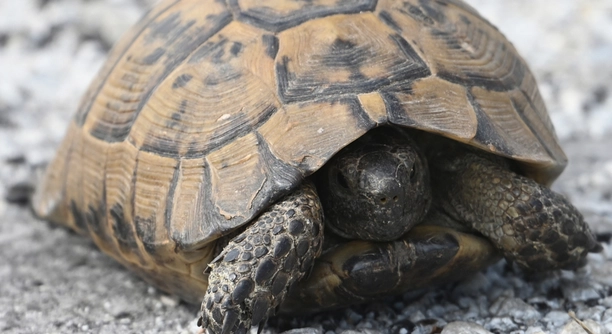
Does your Greek tortoise keep rubbing its neck on the ground? You may have noticed this odd behavior, but understanding why it happens can help. There are a variety of possible reasons behind this action that are worth exploring.
The primary reason a Greek tortoise may rub its neck on the ground is related to shedding its skin or attempting to dislodge a piece of debris stuck to its neck. This can also be linked to self-grooming behaviors or irritation from environmental factors.
This behavior can point to important things happening with your tortoise’s health and environment. By understanding the causes, you can ensure your tortoise stays comfortable and well cared for.
Shedding and Skin Issues
When a Greek tortoise rubs its neck on the ground, it might be trying to remove old skin. Tortoises shed their outer layer regularly, and sometimes, a piece of skin can get stuck. They instinctively try to rub it off by scraping their neck on surfaces like the ground. This is a natural behavior, and it usually happens more often during warmer months when shedding is more frequent.
If your tortoise is constantly rubbing its neck, it’s a sign that it might be in the middle of a shedding phase. This process can be uncomfortable, and the rubbing helps it remove dead skin. Sometimes, humidity levels play a role in how easily skin sheds. If the humidity is too low, it might make the shedding process harder for your tortoise.
While rubbing to shed skin is normal, check that there are no stuck pieces causing irritation. If this behavior persists and you notice abnormal skin conditions, it may be best to assess the humidity and care routine for your tortoise to ensure it’s shedding properly. A balanced environment can reduce unnecessary stress for your pet.
Irritation or Infection
Your Greek tortoise might also be rubbing its neck to relieve irritation or discomfort. Any underlying infection or skin irritation can make your tortoise try to scratch or rub its neck. The irritation can come from a variety of sources, including poor enclosure hygiene or an injury.
If there is something wrong with the skin, such as a wound or irritation, the rubbing will help the tortoise feel better, even if it’s only temporary. An infection, either fungal or bacterial, can also lead to similar behavior. Infections make your tortoise feel uncomfortable, prompting them to rub against surfaces to try and relieve some of that discomfort.
Checking your tortoise’s enclosure regularly is important to prevent bacteria from building up, as well as ensuring there are no sharp objects that could cause abrasions. If the rubbing persists, it’s worth scheduling a visit to the vet to rule out infection or more serious health issues. A clean and safe environment is key to your tortoise’s well-being.
Environmental Factors
Greek tortoises are sensitive to changes in their environment. Factors like temperature, humidity, and light can trigger behaviors like rubbing. If the enclosure feels too hot or cold, your tortoise may rub its neck to adjust to the temperature.
When a tortoise’s habitat is improperly set up, it can cause discomfort, which leads to odd behaviors. Temperature fluctuations are especially common in homes where heat sources like lamps are inconsistent. Make sure the warm side of your tortoise’s habitat is around 85°F to 90°F, while the cooler side should be about 75°F. Also, proper humidity is essential for healthy shedding and overall comfort.
If the lighting isn’t adequate, this could also affect your tortoise’s behavior. Tortoises need a specific UVB light to help with vitamin D3 absorption. Without it, they may become stressed and may start rubbing to try to deal with the discomfort caused by inadequate lighting. Keep the enclosure well-regulated to prevent these issues.
Stress and Anxiety
Stress can lead to a variety of odd behaviors, including rubbing. Tortoises are creatures of habit and can get stressed by sudden changes in their environment. If you’ve recently moved or altered the enclosure setup, it could cause anxiety.
Stress is one of the more common causes behind rubbing. Greek tortoises are sensitive to changes in their routine, like frequent handling or other pets in the home. They may start rubbing their neck on surfaces as a way of coping with the anxiety. They may also show other signs of stress, such as hiding or excessive pacing.
To reduce stress, create a quiet, consistent environment for your tortoise. Ensure that it has enough space to roam without the risk of being disturbed by other pets or loud noises. With proper care, you can minimize stress and help your tortoise feel more secure.
Boredom and Lack of Stimulation
Tortoises, like many reptiles, need mental and physical stimulation to stay happy. If your Greek tortoise is rubbing its neck on the ground, it might be bored and trying to entertain itself.
Greek tortoises are active animals that enjoy exploring their surroundings. If their environment lacks enough space or enrichment, they may engage in repetitive actions like rubbing. It’s important to provide toys, safe objects to climb on, or hide treats to encourage natural behaviors.
Mating Behavior
Sometimes, rubbing can be part of mating behavior. Male tortoises often display territorial actions, rubbing their necks or other parts of their bodies on the ground. This is usually more common during the breeding season.
Male Greek tortoises may also use this behavior as part of courtship. They could rub or try to “court” the female by pressing or rubbing against surfaces. This can be mistaken for discomfort or distress, but it’s a normal part of their mating routine during specific seasons.
Shell or Neck Issues
If your tortoise is rubbing its neck, it could be trying to relieve discomfort from its shell or neck. Neck irritation or shell-related issues are possible causes.
Sometimes, the tortoise’s neck may feel stiff or irritated due to improper diet or lack of calcium. If the rubbing seems excessive, it might be worth checking for signs of pain or inflammation around the neck or shell area. Keep the tortoise’s diet balanced with enough calcium to help support a healthy shell and prevent issues.
FAQ
Why does my Greek tortoise rub its neck so often?
Frequent rubbing of the neck could be a sign that your tortoise is shedding skin, dealing with irritation, or even just trying to groom itself. It can also be due to environmental factors like temperature and humidity, which can affect the tortoise’s comfort. If the rubbing seems excessive, it’s important to check its enclosure and ensure that its needs are being met properly. Sometimes, this behavior is just part of its natural habits, but if it becomes constant, it’s worth considering whether there’s a health issue or environmental stress.
What can I do if my tortoise is rubbing its neck a lot?
Start by making sure the temperature and humidity in the enclosure are properly regulated. Check if the tortoise is shedding, and if needed, increase humidity levels to make shedding easier. If it’s related to irritation or infection, try to assess if any environmental factors, such as sharp objects or dirty bedding, are causing discomfort. A vet visit may be necessary if the rubbing continues or if there are visible signs of injury or infection.
Can rubbing be a sign of an infection in my tortoise?
Yes, rubbing can sometimes indicate an infection. If your tortoise has any cuts, scratches, or swelling around its neck or shell, it may rub to relieve discomfort. Fungal or bacterial infections can also cause irritation, leading to rubbing behavior. If you suspect an infection, it’s best to take your tortoise to the vet for an accurate diagnosis and appropriate treatment.
How do I know if my tortoise is stressed?
Stress in tortoises can lead to unusual behaviors like rubbing, hiding, or pacing. If you’ve recently changed its environment, introduced new pets, or altered its routine, these could be contributing factors. A stressed tortoise may also refuse to eat or appear more aggressive. Reducing disturbances and creating a consistent environment can help relieve stress. If the behavior persists, consulting a vet is a good idea to rule out other causes.
Is it normal for my tortoise to rub its neck during shedding?
Yes, this is completely normal. When Greek tortoises shed, they often rub their necks on surfaces to help remove the old skin. This behavior is part of the natural shedding process, especially if the humidity levels are too low or the skin is stuck. As long as the rubbing isn’t excessive or accompanied by signs of injury, it should be no cause for concern.
Could poor diet be causing my tortoise to rub its neck?
A poor diet can lead to various health problems, including soft shells or irritations that may cause rubbing behavior. Greek tortoises require a balanced diet rich in fiber, vitamins, and calcium. Without proper nutrition, they can experience discomfort, which may lead them to rub against surfaces to alleviate it. Ensure your tortoise is eating a variety of leafy greens, and consider supplementing with calcium to support a healthy shell.
How can I make my tortoise’s environment more comfortable?
To improve your tortoise’s comfort, make sure it has a spacious, clean enclosure with both a warm and cool side. The warm side should be between 85°F and 90°F, while the cool side should be around 75°F. Ensure the humidity is balanced and offer hiding spots to make the tortoise feel secure. Regularly clean the enclosure to avoid bacteria buildup and ensure your tortoise has enough space to roam.
Can other pets cause my tortoise to rub its neck?
Yes, if your tortoise feels threatened or stressed by other pets, it may start rubbing its neck as a way to cope. This is especially true if the other pets are too close or make sudden movements that frighten the tortoise. It’s important to provide a safe and quiet space for your tortoise where it won’t be disturbed by other animals.
How long does it take for a tortoise to shed its skin?
Shedding times can vary from one tortoise to another, but generally, a Greek tortoise will shed its skin over a few days to a week. During this time, it might rub its neck against surfaces to help remove the skin. If shedding doesn’t seem to happen naturally, increasing humidity or soaking the tortoise in lukewarm water can help facilitate the process.
What signs should I look for to determine if my tortoise’s rubbing is a health issue?
If your tortoise’s neck rubbing is accompanied by swelling, redness, sores, or if it seems to be in pain, it’s likely a sign of a health issue. Additionally, if the tortoise shows other signs of distress like lethargy, a lack of appetite, or changes in behavior, it could indicate a more serious problem, such as an infection or injury. In such cases, it’s important to consult a vet promptly for a thorough examination.
Final Thoughts
If your Greek tortoise is rubbing its neck on the ground, it’s usually not a cause for major concern. This behavior can be tied to natural processes, such as shedding skin or self-grooming. Tortoises have a natural instinct to shed their outer layers, and rubbing against surfaces can help them get rid of old skin. As long as the rubbing seems occasional and doesn’t come with other signs of distress, it’s likely just part of their normal routine. Checking your tortoise’s environment to ensure it has the proper temperature and humidity can also help make shedding easier and more comfortable for them.
However, if the rubbing becomes excessive or is accompanied by other worrying symptoms, it could indicate a health issue. For instance, infections, irritation, or injuries may cause your tortoise to rub its neck as a way of relieving discomfort. It’s important to observe if your tortoise is showing signs of swelling, redness, or if there is any abnormal discharge. If any of these symptoms appear, it may be necessary to take your tortoise to the vet for a proper diagnosis and treatment. A quick response can prevent further complications and help ensure your tortoise stays healthy.
Ultimately, keeping your tortoise’s living conditions stable and providing a balanced diet are key factors in preventing unnecessary rubbing. Regularly monitor the temperature and humidity in its enclosure, and make sure there are no sharp objects that could irritate its skin. If the rubbing is due to stress, offering a quiet, secure environment and avoiding disturbances can help. By addressing the potential causes and ensuring your tortoise’s well-being, you can help it feel comfortable and happy in its home.

Hello,
If you enjoy the content that we create, please consider saying a "Thank You!" by leaving a tip.
Every little bit helps us continue crafting quality advice that supports the health, happiness, and well-being of pets around the world, for pets of all shapes, sizes, and species.
We really appreciate the kindness and support that you show us!