
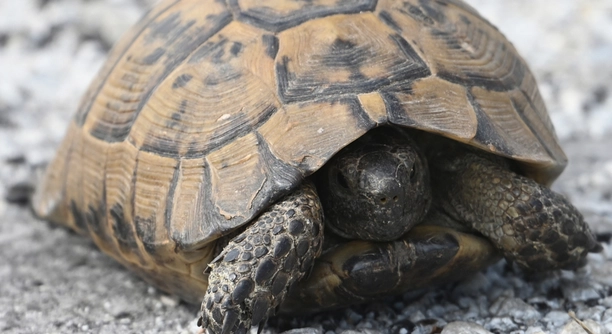
A common behavior among Greek tortoises is rubbing their faces in the dirt. This action may seem odd, but it serves various purposes that are important for their well-being and comfort. Understanding why they do this can help you care for them better.
The most likely reason for this behavior is that the tortoise is rubbing its face to mark territory or remove irritants. It could also be a natural way of relieving stress, shedding old skin, or even preparing for hibernation.
This behavior is more than just a quirk. Several factors can influence why it happens and how you can support your tortoise’s needs.
Rubbing to Remove Irritants
Tortoises sometimes rub their faces in the dirt to remove irritants, such as dirt or debris that may have stuck to their skin. This is particularly common if your Greek tortoise has been exploring new areas or if the environment is dusty. Dirt can easily collect on their faces, causing discomfort. By rubbing their face in the dirt, they try to clean it off, similar to how we wipe our faces when something bothers us.
When your tortoise exhibits this behavior, it’s a sign that they are seeking relief. Dirt and small particles can cause irritation, and rubbing helps them feel more comfortable. It’s a natural response to clear their skin.
While this behavior may seem unusual, it is a healthy way for your tortoise to stay comfortable and maintain good skin hygiene. It’s important to ensure their environment remains clean and free of excessive debris to minimize irritation.
Stress Relief
Stress can cause your tortoise to rub its face in the dirt. When faced with uncomfortable conditions or changes in their environment, they may seek a way to relieve tension.
Greek tortoises are sensitive creatures, and any changes—like new noises, unfamiliar surroundings, or a change in temperature—can cause them stress. In response, they might rub their face against surfaces to calm themselves. This behavior often signals that your tortoise is trying to cope with its stress levels.
Providing a consistent and stable environment can help reduce this behavior. Tortoises thrive when they feel secure in their space, and minimizing stressors can encourage more natural behaviors. If the rubbing is excessive, it may be helpful to observe their surroundings and adjust any factors that might be causing distress.
Shedding Skin
When a Greek tortoise is shedding old skin, it can cause them to rub their face on surfaces, including the dirt. This is part of their natural process of removing dead skin cells. This behavior is usually more prominent during specific times of the year, especially when they’re growing or coming out of hibernation.
Shedding occurs gradually, and while the tortoise may not rub its entire body, the face is a common target for this action. The rubbing helps loosen the old skin and can also alleviate any itching or discomfort that might arise. Ensuring your tortoise’s environment is moist enough can help facilitate this natural process.
If you notice frequent rubbing, make sure the humidity levels in the enclosure are balanced. A dry environment can lead to skin shedding problems, causing your tortoise to rub more frequently. Adequate humidity provides a more comfortable shedding process for your pet.
Natural Behavior
Rubbing their face on the ground can also be a normal, instinctive behavior for Greek tortoises. In the wild, this action helps them adjust to their environment and may serve other functions like scent marking. It’s a natural way for them to interact with their surroundings.
In captivity, tortoises often retain these natural behaviors, even when there are no immediate survival needs. The behavior may seem random, but it’s part of their instinct to explore and adapt to their environment. A variety of factors could prompt them to do this, including curiosity or simply seeking comfort.
While rubbing is common, it’s essential to observe whether it becomes excessive or linked to other health issues. As long as it doesn’t seem to cause your tortoise distress, it’s likely just part of their normal routine.
Preparing for Hibernation
As your tortoise prepares for hibernation, it may rub its face in the dirt. This behavior is a natural part of the process, helping to clear off debris and prepare for the long period of inactivity. Rubbing may increase as your tortoise starts to slow down.
The preparation for hibernation can trigger various changes in behavior. For some tortoises, rubbing their face against the ground or substrate becomes more frequent as they instinctively adjust. If your tortoise is becoming less active and rubbing its face, it may be a sign that it’s getting ready to hibernate.
Keep track of their habits to ensure they’re not struggling with other issues during this time, like dehydration or discomfort.
Lack of Proper Substrate
If your tortoise’s living space lacks proper substrate, it may lead to rubbing behaviors. An unsuitable or uncomfortable substrate can cause irritation and discomfort. Ensuring the right bedding will reduce the urge to rub.
The substrate you use for your tortoise can impact its behavior significantly. When the bedding isn’t soft enough or too rough, it may cause irritation that prompts the tortoise to rub its face. This action helps them relieve discomfort and keep their face clean from debris. Make sure the substrate is not only suitable but also comfortable for them to move around on.
Dry Skin
Dry skin is another common reason for face rubbing in Greek tortoises. Without sufficient humidity, their skin can become flaky and uncomfortable. This may cause them to rub their face against surfaces to alleviate the discomfort.
Proper humidity levels in the enclosure are key to preventing dry skin. If the environment is too dry, your tortoise may experience issues with shedding and skin health, leading to excessive rubbing. Ensuring that the humidity is in the proper range will make the shedding process smoother and more comfortable for your tortoise.
FAQ
Why does my Greek tortoise rub its face on the ground?
Rubbing its face on the ground is a natural behavior for your tortoise. It can be a way to remove irritants like dirt or debris, alleviate stress, or even shed old skin. This behavior helps them stay comfortable in their environment and is often linked to instinctive actions such as marking territory or simply exploring their space. In some cases, it may also indicate that they are preparing for hibernation or dealing with environmental factors, like dry skin or inadequate humidity.
Is it normal for a tortoise to rub its face constantly?
Constant rubbing can be normal, especially if your tortoise is in the shedding phase, stressed, or experiencing discomfort from its environment. However, excessive rubbing could indicate an underlying issue, such as dry skin, improper substrate, or even signs of irritation or infection. If it becomes persistent, it’s important to observe their behavior and environment closely. Adjusting the humidity, temperature, and substrate may help reduce unnecessary rubbing. If the issue persists, it may be wise to consult a veterinarian.
What could be causing my tortoise to rub its face more than usual?
Several factors could cause increased rubbing. It could be a sign that your tortoise is shedding skin, experiencing stress, or dealing with dry skin. An uncomfortable substrate, incorrect humidity, or even environmental changes could prompt the tortoise to rub its face more frequently. Additionally, if your tortoise is preparing for hibernation, this rubbing behavior might intensify. Ensuring your tortoise’s habitat is stable and suitable for its needs will help reduce such behaviors.
How can I stop my tortoise from rubbing its face too much?
The first step is to address the underlying cause. If the rubbing is due to dry skin, adjusting the humidity levels in their habitat is crucial. Make sure the substrate is soft and comfortable, as rough or unsuitable bedding can cause discomfort. If the rubbing is related to stress, try minimizing disturbances and providing a more predictable and peaceful environment. Keep an eye on your tortoise’s health and behavior to spot any signs of illness or discomfort that could be contributing to the excessive rubbing.
What kind of substrate is best for my Greek tortoise?
Greek tortoises prefer a dry, sandy, and loose substrate. Ideal options include a mix of soil, sand, and coconut coir. This type of substrate allows them to dig and burrow comfortably without causing irritation to their skin. Avoid using rough, abrasive materials or highly compacted substrates, as they can cause discomfort and lead to excessive rubbing. Regularly clean the substrate to maintain a healthy environment and reduce the risk of irritation or infection.
Can stress cause my tortoise to rub its face more often?
Yes, stress can trigger face rubbing. Tortoises are sensitive to changes in their environment, including new sounds, temperature fluctuations, or alterations in their living conditions. Stress can lead to behavioral changes, and face rubbing is one way they may cope. Providing a stable and quiet habitat with minimal disruptions can help reduce stress. It’s also essential to handle your tortoise gently and avoid frequent or sudden changes to their environment.
What should I do if my tortoise rubs its face excessively?
If face rubbing becomes excessive, it’s essential to assess the environmental factors first. Ensure that the humidity, temperature, and substrate are appropriate for your tortoise. If everything seems in order and the behavior continues, it may be time to consult a veterinarian. Excessive rubbing could be a sign of a health problem, such as an infection or irritation, and professional advice will help determine the cause.
Could face rubbing be a sign of an infection?
While face rubbing can often be linked to normal behaviors like shedding or stress, it can also be a sign of infection if it becomes persistent or is accompanied by other symptoms such as swelling, discharge, or an abnormal appearance of the skin. Infections, particularly those affecting the eyes or skin, can cause discomfort and lead to face rubbing. If you notice any concerning symptoms, it’s essential to seek veterinary care to address potential health issues.
How can I help my tortoise shed its skin more comfortably?
To support your tortoise during shedding, maintaining proper humidity levels in their habitat is key. Dry air can lead to difficulty shedding, causing discomfort and excessive rubbing. Increasing humidity slightly and providing a moist area for your tortoise to rest can help ease the shedding process. Make sure the substrate is soft, allowing them to rub against it gently to remove old skin. If shedding is problematic, consider soaking your tortoise in lukewarm water to help loosen the skin.
Should I be concerned if my tortoise is rubbing its face on the ground often during the winter?
Winter is often a time when tortoises prepare for hibernation, which can increase the likelihood of face rubbing. During this period, Greek tortoises may rub their faces more often as part of their natural routine to remove debris or clear skin. However, ensure that your tortoise is in good health and not showing signs of dehydration, skin irritation, or stress. If the behavior seems excessive, consult a veterinarian to rule out any health issues related to hibernation.
Final Thoughts
It is normal for a Greek tortoise to rub its face against the ground from time to time. This behavior often serves as a way for them to remove debris or to help with shedding. It can also be a sign of natural instincts, such as preparing for hibernation. However, if this behavior becomes excessive, it may indicate an issue that needs attention. Understanding the causes of face rubbing will help ensure your tortoise remains comfortable and healthy.
Pay close attention to your tortoise’s environment, as improper humidity, temperature, or substrate can cause discomfort that leads to face rubbing. Dry skin is a common cause, and maintaining the right humidity level can help alleviate the issue. Additionally, if your tortoise is preparing for hibernation, the rubbing might be a sign that they are slowing down and becoming less active. Monitoring their overall behavior can help you determine if their face rubbing is part of a natural process or if it is due to something that needs adjustment.
If you notice that face rubbing persists or is accompanied by other signs of distress, such as swelling, discharge, or behavioral changes, it may be time to consult a veterinarian. An experienced vet will be able to diagnose any underlying health problems and offer advice on how to address them. Ensuring your tortoise has the right habitat, diet, and care is key to preventing discomfort and promoting a healthy, happy life. Regularly observing your tortoise’s behavior and making adjustments as needed will help them thrive.

Hello,
If you enjoy the content that we create, please consider saying a "Thank You!" by leaving a tip.
Every little bit helps us continue crafting quality advice that supports the health, happiness, and well-being of pets around the world, for pets of all shapes, sizes, and species.
We really appreciate the kindness and support that you show us!