
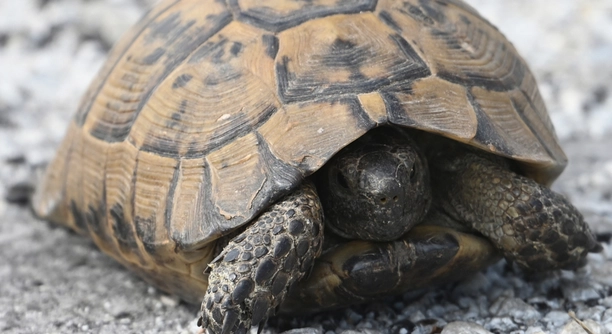
Greek tortoises are fascinating creatures, often requiring a little more attention than we might expect. If yours has been pacing its tank, it might leave you wondering what’s going on. Here’s what you should know.
The pacing behavior of a Greek tortoise is usually linked to several factors, including environmental stressors, insufficient space, or a lack of stimulation. Changes in temperature, diet, and habitat can also trigger this repetitive action.
There are several possible reasons for this behavior, ranging from environmental issues to natural instincts. Understanding these causes will help you improve your tortoise’s well-being and reduce the pacing.
Lack of Space to Roam
One of the main reasons your Greek tortoise might pace is simply not having enough room. In the wild, these tortoises roam over large areas, foraging for food and exploring their environment. When confined to a small tank, they may feel stressed or trapped. This lack of space can make them more agitated, leading to constant movement. It’s important to give your tortoise a larger enclosure to help mimic its natural habitat. A spacious tank or a secure outdoor pen can help reduce pacing and improve its overall happiness.
A cramped tank can lead to more stress for your tortoise. Providing room for movement can improve its health and well-being.
Consider upgrading to a larger tank, or better yet, give your tortoise access to an outdoor area during warmer months. A bigger environment will give your tortoise the opportunity to explore, dig, and feel more comfortable. Outdoor enclosures, as long as they are secure, can provide both space and variety, reducing pacing behavior significantly. When it feels like it has the freedom to roam, your tortoise is more likely to stop pacing and exhibit more natural behaviors. A spacious and enriching habitat can lead to a happier, more settled tortoise.
Temperature Problems
Temperature is another major factor. If the tank is too hot or too cold, your Greek tortoise may pace around trying to find a comfortable spot. These tortoises thrive in specific temperature ranges, and any deviation from this can cause distress.
It’s essential to monitor the tank’s temperature to prevent discomfort. A temperature gradient with warm and cool areas will allow your tortoise to regulate its body temperature. Keep an eye on both the basking and cooler zones.
Lack of Enrichment
If your Greek tortoise’s environment lacks stimulation, it may start pacing out of boredom. Tortoises are curious and need things to explore and interact with. Without proper enrichment, they might pace as a way of seeking something to do. Adding rocks, plants, or hiding spots can encourage your tortoise to engage with its habitat more actively.
A lack of enrichment can affect your tortoise’s mental health. They need variety to stay engaged and prevent stress. Simple items like tunnels or objects to climb can keep them busy, helping reduce constant pacing. These additions give them things to focus on, creating a healthier environment.
Offering new experiences can help break the cycle of pacing. You can rotate objects in their enclosure regularly to maintain their interest. Giving them opportunities to dig, forage, or hide will provide mental stimulation and help them feel more at ease. Regularly changing things up keeps your tortoise curious and active, making it less likely to pace.
Hunger or Diet Issues
If your Greek tortoise is pacing, it could be due to hunger or an unbalanced diet. A lack of proper nutrition might cause them to roam in search of food. Tortoises often pace in an attempt to find what they need, especially if their diet lacks variety.
Providing a balanced diet with a mix of leafy greens, vegetables, and occasional fruits is crucial. If your tortoise isn’t getting enough nutrients, it may start pacing, searching for food. Make sure you’re feeding it the right amount and the right types of food to meet its dietary needs.
Offering food at set times can also give your tortoise a routine, which helps reduce stress. Ensure that food is fresh and clean, and avoid overfeeding, as too much can also cause other health issues. Maintaining consistency in diet and feeding times can help reduce any unwanted behaviors like pacing and improve its overall health.
Stress from Handling
Your Greek tortoise might pace if it feels stressed from too much handling. These tortoises can become anxious when frequently touched or moved. While they may enjoy attention in moderation, constant handling can make them feel unsafe. This stress can lead to pacing as they try to escape or calm down.
It’s important to give your tortoise space and time to adjust to its environment. Avoid picking it up too often, and always be gentle. Create a calm environment for your tortoise, ensuring it feels safe. Overhandling can trigger stress, which leads to repetitive behaviors like pacing.
Breeding Season
Pacing may also occur during the breeding season. Female and male Greek tortoises often become more active when they are ready to mate. This increase in activity can result in pacing around the tank as they search for potential mates or ideal nesting locations.
The behavior during breeding season is normal, but it’s still important to observe their health. Make sure their environment is comfortable, and monitor their overall well-being. If the pacing becomes excessive or persistent, consider consulting a vet to ensure that there’s no underlying issue contributing to the behavior.
Health Issues
Sometimes, pacing could indicate an underlying health issue. If your tortoise is feeling ill or has physical discomfort, it may pace as a way of expressing distress. Common health problems like respiratory infections, parasites, or shell issues could lead to this behavior. Always keep an eye out for other signs of illness, such as lethargy or loss of appetite.
If you notice anything unusual or if the pacing becomes persistent, it’s a good idea to take your tortoise to the vet. A health check can help rule out any potential problems and get your tortoise back on track.
FAQ
Why does my tortoise pace back and forth?
Pacing is a common behavior in Greek tortoises, and it can be caused by various factors. It’s often a sign that your tortoise is feeling stressed, bored, or uncomfortable. A lack of space, temperature issues, or environmental stressors like excessive handling can lead to this behavior. Tortoises may also pace when they are hungry or seeking something to interact with. Pay attention to their habitat setup and make sure it meets their needs for comfort, stimulation, and space.
How can I stop my tortoise from pacing?
To stop your tortoise from pacing, start by addressing potential environmental issues. Ensure that the tank is large enough and that there is a proper temperature gradient for your tortoise. Add enrichment items like rocks, plants, or tunnels to keep it engaged. Make sure your tortoise has a balanced diet and is not hungry. Reducing stress by limiting handling and providing a secure and calm environment can also help reduce pacing behavior. Lastly, check for any health problems that might be causing the distress.
Is my tortoise pacing because it is stressed?
Yes, stress is one of the most common reasons for pacing in Greek tortoises. They can become stressed from being handled too much, living in a cramped space, or having an uncomfortable temperature in their tank. Too much noise or disturbance around their environment can also trigger stress. If you suspect stress, try to make the environment calmer by minimizing handling, ensuring there’s enough space, and keeping the temperature within the proper range for your tortoise.
Does my tortoise pace because it’s hungry?
Hunger can certainly be a reason for pacing. If your tortoise is searching for food, it might start pacing around its enclosure. Greek tortoises are foragers, so they may walk around looking for food if they’re not getting enough variety or if their feeding schedule is irregular. Make sure you’re providing a balanced diet with fresh, leafy greens and the right amount of food at regular intervals. Ensure that the food is varied to keep your tortoise satisfied and prevent it from pacing out of hunger.
Can overfeeding cause pacing in my tortoise?
Overfeeding can lead to other health problems, but it’s unlikely to directly cause pacing. However, it may affect your tortoise’s behavior by making it feel sluggish, uncomfortable, or bloated. A tortoise that is too full may not have the energy to roam around and explore, which could lead to pacing as it tries to find a comfortable spot. Always be mindful of the portions and avoid overfeeding, which can cause more harm than good in the long run.
Should I be worried if my tortoise is pacing constantly?
Constant pacing could indicate a more serious problem, such as stress, health issues, or environmental discomfort. While some pacing is normal, especially during certain times of the day, continuous pacing might be a sign of distress. It’s important to monitor other signs, like changes in appetite, behavior, or physical condition. If the pacing seems excessive and isn’t improving after addressing potential environmental factors, a trip to the vet is recommended to rule out any health problems.
Can temperature changes cause pacing in my tortoise?
Yes, temperature fluctuations can cause a Greek tortoise to pace. Tortoises are very sensitive to temperature changes, and if the temperature in their tank is too high or low, they may pace as they try to find a more comfortable spot. Ensure that your tank has a proper temperature gradient with both a warm basking area and a cooler side. A thermometer should be used to keep track of the temperature to avoid stress or discomfort caused by the wrong conditions.
Is it okay to handle my tortoise if it’s pacing?
It’s best to limit handling if your tortoise is pacing excessively. While occasional gentle handling is fine, constantly picking up or moving your tortoise can increase its stress levels. If your tortoise is pacing, it might be a sign that it’s feeling unsafe or uneasy, and handling it more may worsen the situation. Give your tortoise some space and allow it to adjust to its environment before attempting to interact with it again.
How much space does my tortoise need to stop pacing?
Greek tortoises require a spacious environment to feel comfortable. A tank that’s too small can lead to stress and pacing. Ideally, their enclosure should be at least 4×8 feet if they are kept indoors, or you can build a secure outdoor pen to give them more freedom. The more space they have to roam and explore, the less likely they are to pace. Providing room for foraging, digging, and basking is key to creating a comfortable space for your tortoise.
Could health problems be causing my tortoise to pace?
Yes, health problems can lead to pacing as a sign of discomfort. If your tortoise is pacing and showing other symptoms like a lack of appetite, lethargy, or abnormal behavior, it could be dealing with an illness. Respiratory infections, parasites, or shell issues could all contribute to this behavior. If you suspect a health problem, take your tortoise to the vet for a check-up to make sure it’s not something that needs medical attention.
Final Thoughts
Understanding why your Greek tortoise is pacing is an important step in ensuring its well-being. While pacing can be a normal behavior, it’s often a sign of stress, discomfort, or an underlying issue. By observing the possible causes—such as a cramped environment, improper temperature, or lack of enrichment—you can begin to address the problem. The key is to make sure that your tortoise has enough space to roam, proper environmental conditions, and mental stimulation to feel secure and comfortable. This will help reduce pacing and ensure your tortoise leads a healthy, content life.
It’s also important to be patient and attentive to your tortoise’s needs. Small changes in its habitat, diet, or handling routine can have a big impact on its behavior. By creating a balanced environment with a variety of hiding spots, climbing opportunities, and plants to explore, your tortoise will likely be less inclined to pace. Ensuring that the temperature in the tank remains consistent and that your tortoise has a healthy diet is also vital for its overall well-being. These adjustments not only help reduce pacing but also improve your tortoise’s quality of life.
If you’ve made these changes and your tortoise continues to pace excessively, it might be time to consult a veterinarian. While pacing can be linked to natural behaviors, it’s always a good idea to rule out health problems, especially if the pacing is combined with other concerning signs. Regular check-ups can ensure that your tortoise stays in good health and continues to thrive. With the right care and attention, your Greek tortoise should be able to live a peaceful and active life without the need for constant pacing.

Hello,
If you enjoy the content that we create, please consider saying a "Thank You!" by leaving a tip.
Every little bit helps us continue crafting quality advice that supports the health, happiness, and well-being of pets around the world, for pets of all shapes, sizes, and species.
We really appreciate the kindness and support that you show us!