
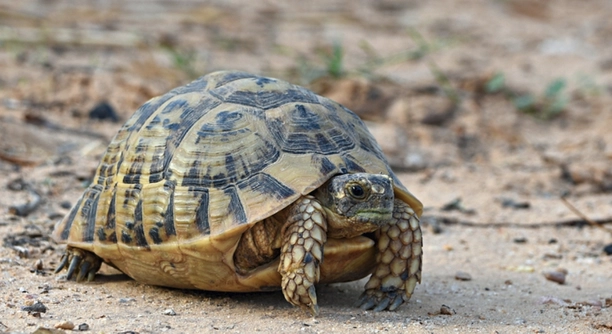
Greek tortoises are fascinating creatures, often displaying unique behaviors that leave many wondering about their actions. One such behavior is their tendency to lick rocks, which may seem strange at first but is more common than you think.
Greek tortoises lick rocks for several reasons, including hydration, exploration, and even seeking out minerals. They may also engage in this behavior as a form of self-soothing or as part of their natural foraging instinct.
This article will shed light on the reasons behind this quirky behavior. Understanding it can help ensure your tortoise’s well-being and enhance its environment. Keep reading to discover the possible explanations for your tortoise’s rock-licking habit!
1. Licking as a Form of Exploration
Tortoises are naturally curious creatures, and licking objects in their environment is part of their exploratory behavior. When they lick rocks, they may be trying to learn more about their surroundings. By tasting different surfaces, they get a sense of the texture, temperature, and even the chemicals present. This is their way of mapping their environment, similar to how some animals use their sense of smell to investigate. It may seem odd, but for a tortoise, licking a rock can be an effective way to understand its world. This behavior is often harmless, but it can sometimes signal that the tortoise is just trying to learn about everything around it.
Licking rocks might simply be your tortoise’s way of exploring and understanding its environment. It’s completely normal and part of their natural instincts.
Tortoises are naturally inquisitive. They use licking as a way of gathering information about their environment, especially when it comes to different surfaces. It helps them assess the surroundings and interact with things in a way that feels instinctive. Whether it’s the texture or the minerals, they are constantly gathering data. Over time, they will keep licking as they encounter new objects, rocks included. This behavior is often a way for them to get comfortable and familiar with what’s in their habitat, helping them feel more secure.
2. Seeking Essential Minerals
Greek tortoises require specific minerals to maintain their health, and licking rocks might be their way of satisfying this need. Rocks in their environment often contain natural minerals like calcium and salt. Licking these rocks can help them access these vital nutrients. Calcium is especially important for tortoises, as it supports their shell growth and bone health. While it’s unlikely that licking rocks alone will provide all the minerals they need, it may be one way they are trying to supplement their diet.
If your tortoise is licking rocks frequently, it might be a sign that it’s in search of missing minerals. You can try adding mineral supplements to its diet to ensure it gets everything it needs.
Some tortoises also use licking as a way to access salt. They may be naturally drawn to rocks with higher salt content, especially if they’re lacking in their diet. In the wild, tortoises sometimes lick stones or the ground to obtain trace amounts of salt that help with hydration and electrolyte balance. In captivity, providing a variety of foods that contain essential nutrients can help curb this behavior. However, it’s important to offer both calcium and salt in moderation. Too much of either could lead to other health problems, so balance is key.
3. Hydration and Moisture-Seeking
Tortoises, like many reptiles, need to stay hydrated. Licking rocks can be their way of seeking moisture, especially during dry periods. Rocks, particularly those in humid areas, might collect moisture from the environment. By licking them, tortoises might be trying to absorb water.
While it’s a natural behavior, it also highlights the importance of providing proper hydration. A tortoise that frequently licks rocks may need more accessible water sources or even increased humidity in its enclosure.
Proper hydration is crucial for your tortoise’s overall health. If you notice constant licking of rocks, it could indicate that the water source isn’t enough. Adding a shallow water dish or misting the habitat might encourage your tortoise to drink more. Be sure to provide clean water daily. If your tortoise is deprived of adequate hydration, it could lead to issues with digestion or skin problems. Offering a larger, more accessible water dish can also make a difference.
4. Comfort and Stress Relief
Sometimes, tortoises lick rocks to soothe themselves. Just like people might pace or chew on something, tortoises use licking as a form of comfort. This behavior is often seen when a tortoise is stressed, anxious, or uncomfortable in its environment.
Stress can come from a variety of sources, including improper temperature, changes in its surroundings, or a lack of stimulation. If your tortoise is licking excessively, it might be a sign of discomfort. Identifying and addressing the root cause of the stress can reduce the licking behavior.
If you notice your tortoise licking rocks frequently, it’s worth checking for stress triggers. Ensure its enclosure is the right temperature and size, with a proper balance of light and darkness. Overcrowding or too much handling can also cause stress. Adding hiding spots and enriching the environment with more objects to interact with may help keep your tortoise calm and occupied. Reducing stress should help cut back on the constant rock-licking behavior.
5. Natural Foraging Behavior
In the wild, tortoises spend much of their time foraging for food. Licking rocks can be part of their natural instinct to explore and search for edible items, such as minerals or small insects. This behavior is connected to their need for constant exploration.
While this action might seem odd in captivity, it’s just their way of staying connected to their foraging instincts. It helps them maintain mental stimulation and their natural behavior patterns. Providing a variety of foods in their habitat can reduce the urge to lick rocks out of boredom.
6. Exploring Different Textures
Tortoises are often attracted to new textures, and licking is a way for them to interact with unfamiliar surfaces. They may lick rocks to explore different textures and understand the environment. This tactile behavior helps them familiarize themselves with their surroundings.
Licking rocks allows them to engage their sense of touch, which is essential for their overall well-being. They can learn more about the surfaces they interact with, just as humans might touch something to understand it better.
7. Curiosity and Environmental Interaction
Tortoises are naturally curious creatures, and licking rocks is another way for them to interact with their environment. Rocks may attract them because they are solid, stationary objects that provide a sense of stability. By licking, tortoises may learn more about their environment and its different features.
FAQ
Why does my tortoise lick rocks all the time?
Tortoises lick rocks for several reasons. One common reason is that they are exploring their environment. Licking is a natural behavior that helps them learn about the textures and minerals around them. It may also be a sign of dehydration, as they might be trying to find moisture on the rocks. Additionally, tortoises may lick rocks to seek out essential minerals like calcium or salt that are present in the environment. Stress, boredom, or a lack of mental stimulation can also lead to more frequent licking.
How do I know if my tortoise is stressed?
A stressed tortoise will often display certain signs like frequent hiding, lack of appetite, or erratic behaviors such as excessive licking or pacing. If your tortoise is licking rocks more than usual, it could be a response to stress. Look for changes in its behavior, such as restlessness, aggression, or lethargy. Environmental factors, such as poor lighting, extreme temperatures, or overcrowding, can lead to stress. It’s important to make sure their habitat is comfortable and consistent. Adding enrichment to the space, such as hiding spots or things to climb on, can help relieve stress.
Can licking rocks be harmful to my tortoise?
In most cases, licking rocks is harmless. However, if your tortoise is licking excessively or trying to eat the rocks, it could lead to potential issues. For instance, if the rocks are contaminated with harmful substances or bacteria, it may cause health problems. Additionally, excessive licking can sometimes indicate an underlying health issue, such as nutritional deficiencies or dehydration. If you notice that your tortoise is licking more than usual or seems to be swallowing the rocks, it’s a good idea to check with a veterinarian to rule out any problems.
How can I stop my tortoise from licking rocks?
If you want to reduce your tortoise’s rock-licking behavior, you should first evaluate its environment. Make sure it has a proper water source that is easily accessible. If dehydration is the cause, adding a larger water dish or providing a shallow water pool could help. Offer a variety of food items to reduce boredom and ensure your tortoise is getting all the necessary nutrients. You can also try adding minerals like calcium to its diet or providing a mineral block. If your tortoise is stressed, addressing the cause of the stress (e.g., adjusting the temperature or adding more hiding places) can help.
Do all tortoises lick rocks?
Not all tortoises will lick rocks. Each tortoise has its own behavior patterns and preferences. While some tortoises may lick rocks as part of their exploration or to seek out minerals, others may not show this behavior at all. It’s important to pay attention to your tortoise’s unique habits and ensure that their needs are being met. If your tortoise isn’t licking rocks, it doesn’t mean that anything is wrong. As long as they are eating well, staying hydrated, and showing typical behavior, they’re likely doing just fine.
How do I keep my tortoise hydrated?
Keeping your tortoise hydrated is crucial for its health. The first step is to provide fresh, clean water at all times. Ensure that the water dish is large enough for your tortoise to drink comfortably and soak in if it wishes. You can also mist the enclosure to add moisture to the air, especially if you live in a dry climate. Some tortoises prefer to soak in a shallow dish of water, so providing one can encourage them to hydrate more easily. Additionally, offering foods with high water content, such as leafy greens, can help keep your tortoise hydrated.
Should I be worried if my tortoise licks rocks after eating?
In some cases, licking rocks after eating is simply a normal behavior. After eating, your tortoise may lick rocks to explore or engage with the environment. However, if it starts licking excessively or showing signs of discomfort (like bloating or lethargy), it may indicate digestive problems or an imbalance in its diet. If your tortoise is showing signs of distress, consult a veterinarian to ensure that there are no underlying health issues. Otherwise, the occasional post-meal rock licking is typically harmless.
Can I prevent my tortoise from licking rocks altogether?
Completely stopping a tortoise from licking rocks may not be realistic, as it’s a natural behavior for them. However, you can minimize it by ensuring their environment is stimulating and satisfying their basic needs. Make sure they have plenty of space to roam, a proper diet, access to hydration, and hiding spots for comfort. Reducing stress and providing mental stimulation through objects to interact with can also reduce the frequency of rock-licking. If it’s a mineral deficiency, adding supplements like calcium can help curb this behavior.
What kind of rocks should I avoid for my tortoise’s habitat?
Some rocks may be harmful to your tortoise if they are too rough or contain toxic minerals. Avoid rocks that have sharp edges that could injure your tortoise’s mouth or digestive tract. It’s also a good idea to steer clear of rocks that are covered in harmful chemicals, pesticides, or mold. If you’re unsure, opt for natural, untreated rocks that are large enough that your tortoise cannot ingest them. Smooth, safe rocks will allow your tortoise to explore without the risk of injury or health issues.
Can I provide my tortoise with a rock to lick?
It’s generally okay to provide a safe rock for your tortoise to interact with. As long as the rock is free of sharp edges and harmful substances, it can be part of their natural exploration. Some tortoises enjoy licking rocks to satisfy their curiosity or to obtain minerals, so having a rock in the enclosure can be a way to encourage their natural behavior. Just make sure the rock is large enough that it can’t be swallowed or ingested, and regularly clean it to avoid bacteria buildup.
Final Thoughts
Tortoises are unique creatures with behaviors that can seem strange at times. The act of licking rocks is just one of many curious habits they exhibit. While it may initially seem odd, this behavior is typically harmless and stems from their natural instincts. Whether they are exploring their environment, seeking minerals, or trying to stay hydrated, licking rocks is a way for them to interact with the world around them. It’s important to understand that this behavior is often just a part of being a tortoise, and in most cases, there’s no need for concern.
However, it’s also essential to pay attention to your tortoise’s overall health and environment. If you notice excessive licking, it could be a sign of dehydration, stress, or nutritional deficiencies. It’s always a good idea to evaluate the conditions of their habitat—such as water availability, humidity levels, and diet—to make sure they’re being met. Adding variety to their food, offering proper hydration, and ensuring a stress-free environment can help minimize unwanted licking behaviors. Enrichment in their enclosure, such as hiding spots and things to climb on, can also help keep them mentally stimulated and reduce any boredom-related licking.
In conclusion, while rock licking may be a quirky behavior, it’s usually nothing to worry about. Understanding the reasons behind it can help you create a better environment for your tortoise and ensure its well-being. Keep an eye on any changes in behavior, and address any possible stressors or health concerns promptly. By providing a proper habitat with plenty of food, water, and mental stimulation, you can ensure that your tortoise remains happy and healthy, whether it’s licking rocks or simply going about its day.

Hello,
If you enjoy the content that we create, please consider saying a "Thank You!" by leaving a tip.
Every little bit helps us continue crafting quality advice that supports the health, happiness, and well-being of pets around the world, for pets of all shapes, sizes, and species.
We really appreciate the kindness and support that you show us!