
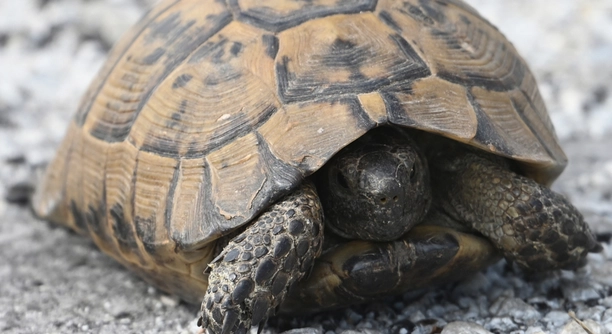
Greek tortoises are charming and gentle creatures, but it can be concerning when they frequently fall over. Understanding why this happens can help ensure your pet stays happy and healthy. Let’s look into common reasons for this behavior.
There are several reasons your Greek tortoise might keep falling over. Some of the most common factors include health issues, improper habitat setup, or even natural behavior. It’s important to observe your tortoise closely to identify the cause.
Knowing the potential causes can help you create a better environment for your tortoise. Understanding these common reasons will help you address the problem and ensure your pet’s safety and well-being.
1. Improper Habitat Setup
Your Greek tortoise’s environment plays a huge role in its overall health and behavior. If the habitat is not set up correctly, your tortoise may struggle to move around, potentially leading to falls. For example, uneven surfaces or too many obstacles can make it harder for them to maintain balance. It’s also important to ensure the enclosure is not too slippery. Tortoises need a surface they can grip onto as they move, so providing a mix of textures like rocks or gravel can help. Additionally, if the temperature and humidity levels are off, your tortoise may become weak, leading to further instability.
A good setup with the right texture, temperature, and humidity will reduce the risk of your tortoise falling over. Make sure you are also providing plenty of space for your pet to roam freely.
If you’re unsure about your habitat setup, reviewing proper guidelines for Greek tortoise care can provide clarity. Small adjustments, such as creating a more naturalistic environment, can make a huge difference in your tortoise’s comfort and safety.
2. Health Issues
Sometimes, health problems may be behind your tortoise’s falling behavior. Weakness, dehydration, or other medical conditions could cause instability. It’s important to monitor any changes in their activity levels, eating habits, or physical appearance.
In cases where the tortoise is weak or sick, its balance can be compromised. If you notice persistent falls, it’s time to consult a vet who specializes in reptiles. This way, you can rule out underlying health issues or receive proper treatment. Ensuring your tortoise gets regular checkups will help prevent many potential health problems.
3. Shell Problems
A damaged or misshapen shell can affect a tortoise’s balance, making it more likely to fall over. Over time, a shell that has been injured or is developing an issue may become weaker. This can also affect the tortoise’s mobility and stability. If your tortoise has any visible cracks, soft spots, or deformities, it’s crucial to get a vet’s opinion.
The shape and integrity of the shell are essential for your tortoise’s overall function. It serves as a protective barrier, but if compromised, it can lead to discomfort and instability. Be sure to inspect your tortoise regularly for signs of shell issues.
Treatment for shell damage depends on the severity of the problem. In some cases, the tortoise may require special care, including proper nutrition and treatment for shell injuries. Proper calcium intake and a safe, controlled environment can help avoid these issues.
4. Improper Diet
A poor diet can weaken your tortoise and cause problems with its bones and muscles, which can lead to falls. Greek tortoises need a diet that includes plenty of fiber, greens, and calcium to maintain strength. A lack of proper nutrients may leave your tortoise unable to support itself as it moves.
A diet high in fatty foods or low in calcium can cause nutritional imbalances that affect your tortoise’s health. Make sure to offer fresh vegetables and avoid processed or high-fat foods. Offering a variety of greens, like dandelion leaves and clover, can boost its overall strength.
An imbalanced diet also impacts growth and development, especially for younger tortoises. Over time, inadequate nutrition can lead to metabolic bone disease, which may contribute to their falling. Proper feeding practices can go a long way in keeping your tortoise strong and stable.
5. Inadequate Temperature and Humidity
Greek tortoises need specific temperature and humidity levels to stay healthy. If the environment is too cold or too humid, it can cause them to become sluggish, weak, or unsteady. Make sure the basking area is warm enough, around 90°F, with a cooler area for them to retreat.
Humidity is just as important. The enclosure should have moderate humidity to keep their skin and respiratory systems healthy. Low humidity can lead to dehydration, which impacts their movement. If these levels aren’t right, your tortoise might struggle to stay upright.
6. Natural Behavior
It’s important to remember that Greek tortoises are naturally clumsy. In the wild, they may frequently trip or fall as they move over uneven terrain. This instinctual behavior can also show up in captivity. Sometimes, it’s simply part of their nature.
If your tortoise is falling occasionally and there are no other signs of distress, it may just be a normal part of its activity. Tortoises do not have the agility of other animals, so falling isn’t always a concern.
7. Overexertion
Tortoises that are overexerted can become fatigued and lose their balance. If your tortoise is being overfed or forced to move around more than it’s comfortable with, it may fall over due to exhaustion. Keep an eye on its behavior after handling or feeding.
FAQ
Why is my Greek tortoise constantly falling over?
There are several reasons why your Greek tortoise may keep falling over. It could be related to health issues, such as weakness from malnutrition or illness. It might also be due to an improper habitat setup, like slippery surfaces or inadequate space. If your tortoise’s shell is damaged or misshapen, it can impact its balance. Additionally, environmental factors like incorrect temperature or humidity could contribute to this behavior. If falls are frequent, it’s essential to carefully assess these factors and consult a vet if needed.
How can I tell if my tortoise is sick?
Sick tortoises may show signs like a lack of appetite, lethargy, or abnormal behavior such as excessive falling. If your tortoise is losing weight, has abnormal discharge from its eyes or nose, or appears to have a soft or cracked shell, these are red flags. A healthy tortoise should be active, alert, and eat regularly. Any noticeable changes in behavior or appearance should prompt a visit to the vet.
Can an improper diet cause my tortoise to fall over?
Yes, an improper diet can lead to nutritional imbalances that affect your tortoise’s muscles and bones, making it weaker and more prone to falling. If the diet lacks necessary nutrients like calcium and fiber, your tortoise may develop metabolic bone disease, which can cause balance issues. Feeding a variety of leafy greens, calcium-rich foods, and avoiding high-fat, processed foods will keep your tortoise strong.
How do I fix my tortoise’s habitat?
Make sure your tortoise’s enclosure has a solid, non-slippery surface, such as a mix of gravel, rocks, or soil, which allows for better grip. You should also provide both a warm basking area and a cooler section for temperature regulation. Keeping the humidity levels at a moderate level is important to avoid dehydration, and the enclosure should be spacious enough for your tortoise to move around comfortably without obstacles that could lead to falls.
How can I prevent my tortoise from falling over?
To prevent your tortoise from falling over, start by ensuring its environment is safe. Provide a variety of surfaces to help with grip, and avoid keeping the habitat too cluttered. Pay attention to the temperature and humidity levels in the enclosure. Additionally, offering a well-balanced diet with plenty of calcium will help maintain bone strength. Keep your tortoise’s shell intact by checking for any damage or deformities. Lastly, avoid overexerting your tortoise, especially during handling or feeding sessions.
What are the signs that my tortoise is dehydrated?
Dehydration in tortoises can cause lethargy, sunken eyes, and a dry, flaky shell. You might notice that your tortoise isn’t eating or drinking as much as usual. Dehydrated tortoises may also become weak and wobbly, leading to falls. To prevent dehydration, make sure your tortoise has access to clean, fresh water and a humid environment. If you suspect dehydration, consult a vet for advice on treatment.
Can stress cause my tortoise to fall over?
Yes, stress can cause your tortoise to behave erratically or become weak, which may lead to falling. Stress in tortoises can be caused by sudden changes in their environment, excessive handling, or being kept with other tortoises. Make sure your tortoise’s environment is stable, peaceful, and free from loud noises or other stressors. Avoid excessive handling and let your tortoise have time to adjust to new settings.
When should I take my tortoise to the vet?
If your tortoise is falling frequently, acting lethargic, or showing signs of injury or illness, it’s time to take it to the vet. A vet visit is also necessary if you notice changes in eating habits, abnormal behavior, or physical abnormalities such as shell damage. Regular check-ups are important for preventing health issues, especially if you notice something concerning.
How long can a Greek tortoise stay on its back?
A Greek tortoise should not stay on its back for long. Being upside down for too long can cause stress and potential injury, especially to internal organs. If you find your tortoise on its back, gently flip it back over. Regularly check for signs of stress or injury if falls happen often.
Is it normal for my tortoise to fall sometimes?
It’s normal for tortoises to fall occasionally due to their slow, clumsy movements. However, if your tortoise falls regularly, especially without cause, there might be an underlying issue. This could range from health problems to environmental factors. It’s important to investigate why this is happening and address any possible concerns.
Final Thoughts
Greek tortoises are hardy animals, but there are a few common reasons why they may frequently fall over. These reasons include improper habitat setup, health issues, diet problems, or even just natural clumsiness. It’s important to observe your tortoise and carefully evaluate its environment and health to understand the cause of these falls. If your tortoise is frequently tipping over, it might be due to a combination of factors, so taking a holistic approach to the situation is key.
Ensuring your tortoise’s habitat is suitable is the first step in preventing falls. Make sure the surface in the enclosure isn’t too slippery, and provide a mix of textures to allow better grip. You should also monitor the temperature and humidity, as these are critical for your tortoise’s overall health. A well-balanced diet with the right nutrients, including calcium and fiber, is just as important. Without proper nutrition, your tortoise’s muscles and bones may weaken, making it more prone to falls. Regular checkups with a reptile vet can also help identify any health problems early on, allowing for proper treatment if needed.
In the end, a healthy tortoise will move around with ease and stability. While occasional falls can happen due to their natural behavior, frequent falling should not be ignored. By addressing habitat, diet, and potential health issues, you can reduce the risk of your tortoise falling over. Taking the time to ensure its environment is safe and its health is cared for will help your tortoise lead a happy, stable life.

Hello,
If you enjoy the content that we create, please consider saying a "Thank You!" by leaving a tip.
Every little bit helps us continue crafting quality advice that supports the health, happiness, and well-being of pets around the world, for pets of all shapes, sizes, and species.
We really appreciate the kindness and support that you show us!