
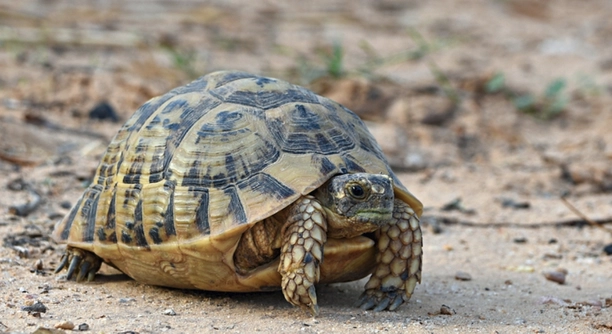
Greek tortoises are often seen digging in corners of their enclosure, and if you’re wondering why, you’re not alone. This behavior is quite common and can be linked to several natural instincts and environmental factors that affect your tortoise’s well-being.
The main reason your Greek tortoise digs in corners is likely due to its instinctive behavior related to seeking shelter or creating a comfortable resting spot. This behavior may also stem from territorial instincts, environmental stress, or other physical needs.
Understanding why your tortoise engages in this digging can help you create a better living space for them. There are several reasons behind the digging habit, each with simple solutions to improve your tortoise’s comfort and health.
Lack of Space or Improper Enclosure
Greek tortoises are known to dig when they feel restricted. If their enclosure is too small or doesn’t offer enough hiding places, they may dig to try to escape or find more space. This can be stressful for them, leading to anxiety-driven digging behavior. Make sure your tortoise’s home is spacious enough, with proper room for them to roam.
A large enclosure with hiding spots like rocks or logs will allow your tortoise to feel more secure. Without adequate space, they might start digging excessively, seeking areas to feel more comfortable.
If your tortoise digs at corners or along walls, it’s a sign they might not be getting enough room to move around. Consider expanding the space to ensure their mental and physical well-being. Adding additional hiding spots can also reduce this behavior, giving them a place to retreat when needed. Adjusting their environment can make a big difference in preventing unnecessary digging.
Seeking Shelter or Safety
Sometimes tortoises dig because they instinctively want to create a hidden resting spot. In the wild, they dig to find shelter from predators or harsh weather conditions. A lack of a safe hiding place in their enclosure might prompt them to dig.
To solve this, provide your tortoise with more hiding options. Adding small shelters, tunnels, or even soft soil in certain areas can help. The goal is to create a safe and comfortable environment where your tortoise feels protected. You may notice that once they find their perfect hiding spot, the digging will decrease.
Temperature and Humidity Issues
Tortoises are highly sensitive to temperature and humidity levels. If their environment is too hot or too cold, they may dig to find a more comfortable spot. This is especially true if there are hot or cold spots within the enclosure.
Ensure your tortoise’s enclosure maintains a proper gradient, with areas of both warmth and cooler spots. The warm side should be around 85-90°F, while the cooler side should be about 70-75°F. Humidity should also be kept at a level that matches your tortoise’s natural habitat. A humidity level between 50-70% is ideal for Greek tortoises.
If the humidity or temperature is off, your tortoise may dig in search of relief. Excessive digging can also be a sign of discomfort from an unbalanced environment. Check the temperature and humidity regularly to make sure they’re within the correct range. Adjusting the conditions will help your tortoise feel more secure and comfortable.
In Search of Food
Digging can also be linked to food-seeking behavior. While it’s not as common as other reasons, some tortoises will dig to search for food. This is particularly true if they have a habit of eating things buried in the soil.
Try providing a consistent feeding schedule so your tortoise knows when to expect food. If they’re digging, make sure they aren’t simply looking for food that might have fallen or is hidden. Adding more variety to their diet, with fresh vegetables and leafy greens, will also help reduce food-seeking behavior. By offering regular meals, you can curb the instinct to dig out food, making your tortoise feel more satisfied.
Stress or Anxiety
Stress is a big factor when it comes to digging behavior. If your tortoise feels anxious, whether due to loud noises, handling, or other changes in the environment, it may dig as a coping mechanism. It’s important to create a calm and quiet environment for your tortoise.
To reduce stress, keep the enclosure in a low-traffic area where they aren’t disturbed frequently. Avoid moving their habitat around too often. Provide a consistent routine with regular feeding times and minimal handling. This helps your tortoise feel secure in its environment and reduces unnecessary digging.
Breeding Behavior
During mating season, some female Greek tortoises dig more than usual. This digging behavior is linked to nesting instincts. They may create burrows to lay eggs, even if there are no males around.
It’s important to provide a suitable space for egg-laying if you suspect your tortoise might be preparing to nest. Ensure that the substrate is deep enough for digging and that the environment is quiet and undisturbed. When given a proper nesting area, your tortoise may stop excessive digging elsewhere.
Boredom
If your tortoise isn’t getting enough stimulation, it may dig out of boredom. Lack of enrichment in their environment can lead to repetitive behaviors, including digging.
To keep your tortoise engaged, add new items to its enclosure, such as climbing structures or tunnels. Change up their environment occasionally to provide new challenges. This helps prevent the behavior from becoming a routine, allowing them to focus on exploring and interacting with their habitat.
FAQ
Why does my Greek tortoise keep digging in the corners?
Your Greek tortoise may dig in corners due to various reasons, including searching for shelter, creating a comfortable spot, or dealing with stress. The corners might seem like a secure area, or they could be trying to find a more suitable temperature or humidity level. It’s important to ensure your tortoise’s enclosure provides enough space, hiding spots, and appropriate conditions to reduce this behavior.
How can I stop my Greek tortoise from digging?
To stop your tortoise from digging, first ensure that its environment is suitable. Make sure the enclosure is large enough, with hiding spots and proper temperature and humidity. Adding enrichment, such as climbing structures or tunnels, can also distract your tortoise from digging out of boredom. Keep the enclosure calm and stress-free to further reduce this behavior.
Is digging normal for a Greek tortoise?
Yes, digging is a natural behavior for Greek tortoises. In the wild, they dig to create burrows for shelter, find food, or regulate their body temperature. However, excessive digging in captivity might indicate that something in the environment needs adjustment, such as space, temperature, or stress.
Should I be concerned if my Greek tortoise is digging constantly?
Constant digging can be a sign that your tortoise is uncomfortable or stressed. If you notice excessive digging, it’s a good idea to check if the enclosure is large enough, if the temperature and humidity are appropriate, and if your tortoise has enough enrichment. If the behavior persists, consulting a veterinarian may be necessary.
How deep should my Greek tortoise’s substrate be for digging?
For your Greek tortoise to dig comfortably, the substrate should be at least 4-6 inches deep. This allows them to burrow or nest as they would in the wild. Use a mixture of soil and sand for proper digging conditions. Make sure the substrate is dry enough to avoid mold growth, but moist enough to prevent dustiness.
What kind of substrate is best for Greek tortoises?
A mix of soil and sand is ideal for Greek tortoises. The soil provides a natural digging environment, while the sand helps with drainage. Avoid using substrates that might be harmful, such as cedar or pine shavings, as they can irritate your tortoise’s respiratory system. Ensure the substrate is deep enough to allow for digging and easy cleaning.
Can I use rocks in my Greek tortoise’s enclosure?
Yes, rocks can be used to create hiding spots or climbing areas, but they should be placed securely so they don’t fall and harm your tortoise. Make sure the rocks are not too sharp or rough. A few flat rocks or smooth stones will help provide variety and stimulation in the environment.
How often should I change the substrate in my Greek tortoise’s enclosure?
You should change the substrate every few weeks to maintain cleanliness and hygiene. Spot clean daily by removing waste and uneaten food to prevent the build-up of bacteria. Changing the entire substrate every 3-4 weeks helps reduce odor and keeps the enclosure fresh for your tortoise.
Do Greek tortoises need UVB lighting?
Yes, UVB lighting is essential for Greek tortoises. It helps them synthesize vitamin D3, which is crucial for calcium absorption and overall health. Without proper UVB lighting, your tortoise can develop shell deformities and other health problems. Ensure the light is placed within the right distance, usually 12-18 inches from the basking area, depending on the light’s strength.
How can I tell if my Greek tortoise is stressed?
Signs of stress in Greek tortoises include excessive digging, hiding, reduced appetite, and erratic behavior. If your tortoise seems unusually lethargic, or if it refuses to eat or interact, it could be experiencing stress. Common stress triggers include improper temperature, sudden changes in the environment, or too much handling. Addressing these factors can help alleviate stress.
Can my Greek tortoise dig out of its enclosure?
Yes, Greek tortoises are capable of digging out of their enclosures if they feel the need to escape. To prevent this, make sure the sides of the enclosure are tall enough and made of a solid material that prevents digging. Reinforce the walls by burying them a few inches into the substrate or using a secure lid.
Is it okay to handle my Greek tortoise often?
While it’s okay to handle your tortoise occasionally, overhandling can lead to stress. Greek tortoises are more likely to become stressed when picked up frequently. Handle them gently and avoid disrupting their daily routine too often. Let your tortoise have time to roam and explore its environment without unnecessary disturbances.
How do I make my Greek tortoise feel more secure?
To help your Greek tortoise feel secure, provide plenty of hiding spots, such as rocks, logs, or tunnels. Keep the enclosure in a quiet area where it won’t be disturbed by loud noises or heavy foot traffic. Ensure the temperature and humidity levels are correct, and allow your tortoise to have a consistent routine for feeding and care.
Why is my Greek tortoise digging and not eating?
If your Greek tortoise is digging and not eating, it could be due to stress, discomfort, or an unsuitable environment. Check if the temperature, humidity, and space are appropriate. Stress from changes in their habitat or routine can cause a tortoise to stop eating temporarily. Try reducing disturbances and providing a calm, stable environment.
Can Greek tortoises hibernate?
Greek tortoises can hibernate in the wild during colder months, but in captivity, hibernation is not always necessary. In some cases, you might want to simulate a natural hibernation cycle, but only if your tortoise is healthy and the conditions are right. Always consult with a vet before attempting to hibernate your tortoise to ensure it is safe for them.
Final Thoughts
Digging is a common and natural behavior for Greek tortoises. It’s important to understand the reasons behind this habit so that you can create a comfortable environment for your pet. Whether your tortoise is digging for shelter, to find food, or out of boredom, addressing the cause can help reduce this behavior. Small adjustments to their habitat, like providing more space, adding hiding spots, or regulating temperature and humidity, can make a big difference. Your tortoise’s well-being depends on the conditions you provide, and understanding their needs is key to ensuring they stay healthy and happy.
If you notice your tortoise digging constantly, it’s a good idea to observe other signs that might indicate stress, discomfort, or boredom. This will give you clues as to what changes might be needed in their care routine. For example, if they seem stressed, try minimizing handling or moving their enclosure to a quieter spot. If they’re digging because they’re too hot or cold, adjusting the temperature gradient or adding proper UVB lighting will help. Remember, even small changes to the environment can reduce unnecessary digging and help your tortoise feel more secure.
While digging is normal, excessive or persistent digging may point to an underlying issue. Whether it’s related to space, stress, or health concerns, addressing these factors will help prevent long-term problems. Your Greek tortoise deserves a well-balanced and safe environment. By making the necessary adjustments, you can ensure your tortoise stays comfortable, active, and healthy. Taking the time to understand their behavior and needs is the best way to support them and build a positive relationship with your pet.

Hello,
If you enjoy the content that we create, please consider saying a "Thank You!" by leaving a tip.
Every little bit helps us continue crafting quality advice that supports the health, happiness, and well-being of pets around the world, for pets of all shapes, sizes, and species.
We really appreciate the kindness and support that you show us!