
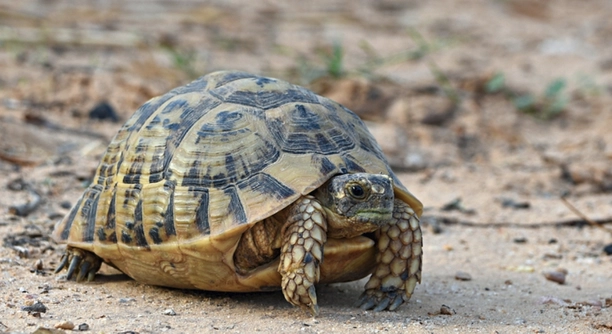
A Greek tortoise is a calm and gentle pet, but when it starts biting its tank mates, it can be concerning. Understanding the cause of this behavior is key to keeping your tortoises healthy and happy together.
Greek tortoises may bite their tank mates for various reasons, including territorial behavior, stress, overcrowding, or even insufficient food. Identifying the specific cause can help in managing this issue and preventing further aggression.
By understanding the possible triggers, you can create a better living environment for your tortoises. This article will explore common causes and offer solutions to ensure peaceful cohabitation.
Territorial Behavior
Greek tortoises are naturally territorial creatures. They may bite other tank mates as a way of claiming space. In the wild, they would mark their territory and defend it from intruders. If they feel their environment is being threatened by another tortoise, they may react aggressively. This can result in biting, especially if they feel crowded or if there is a lack of hiding spots to create personal space.
Providing enough space for each tortoise is essential. Overcrowding can increase stress and provoke territorial behaviors. Each tortoise needs room to roam freely, burrow, and rest without interference.
To reduce territorial aggression, consider expanding the tank size or adding barriers to give each tortoise its own space. You may also want to offer hiding places like rocks or tunnels, which allow your tortoises to retreat if they feel threatened. Creating a calm environment can prevent unnecessary stress and reduce biting behavior.
Stress from Environmental Factors
Greek tortoises are sensitive to their environment. Stress from extreme temperatures, poor lighting, or a lack of proper humidity can cause them to act aggressively toward each other. Biting can be a response to discomfort or frustration from these factors.
One way to minimize stress is by ensuring your tank has proper heating, lighting, and humidity. Your tortoises should be able to bask under a heat lamp, and the temperature should stay within the appropriate range.
Additionally, misting the tank or providing a shallow water dish can help maintain the right humidity levels. When the environment is more comfortable, your tortoises will be less likely to bite or act out.
Overcrowding in the Tank
If there are too many tortoises in one tank, it increases the likelihood of fights. Overcrowding can create competition for food, space, and basking spots, leading to aggressive behaviors like biting.
Keeping the tortoises’ population to a manageable number is key. Each tortoise needs enough space to move freely and access essentials like food and heat. Crowded conditions make it harder for them to feel safe, increasing stress and aggression.
If you’re noticing frequent biting, check if there’s enough room for each tortoise to live comfortably. If necessary, consider separating them into different enclosures or reducing the number of animals in the tank.
Lack of Food or Competition for Resources
When Greek tortoises feel they are not getting enough food, they may resort to biting their tank mates. Competition for resources can trigger aggressive behavior. If one tortoise feels threatened while eating, it may lash out to protect its meal.
It’s essential to provide a balanced, consistent food supply to prevent hunger-induced aggression. This could include fresh vegetables and tortoise pellets.
Ensure that each tortoise has its own dish to reduce competition. Avoid placing food in areas where one tortoise can easily block access for others. This will allow all tortoises to eat without feeling threatened.
Mating Behavior
During the breeding season, male Greek tortoises may become more aggressive. They often display dominant behaviors, such as biting, as part of their mating rituals. This can lead to biting of tank mates, especially if there’s competition.
Male tortoises will compete for females, and they may try to assert dominance over each other by biting. It’s a natural part of their reproductive instincts.
Separate males and females if this behavior becomes disruptive. Creating spaces where males can’t compete may help reduce aggressive behaviors during mating season.
Illness or Pain
Tortoises may bite others if they are feeling unwell or in pain. If one of your tortoises is sick, it may become irritable and lash out at its tank mates.
Check for signs of injury, infection, or illness if you notice more biting. A visit to a vet can ensure your tortoise’s health is in good condition.
Poor Socialization
Greek tortoises are not naturally social and can be territorial, especially if they’re not raised together. Tortoises that haven’t been properly socialized may bite to establish dominance or defend their space.
Introduce tortoises carefully and gradually to minimize aggression.
FAQ
Why does my Greek tortoise bite its tank mate?
A Greek tortoise may bite its tank mate for several reasons, including territorial behavior, stress, or competition for food and resources. They can also display aggression during the breeding season or if they’re not feeling well. If overcrowded or their environment is unsuitable, this behavior may intensify.
Can I stop my Greek tortoise from biting its tank mates?
Yes, you can reduce biting by addressing the root cause. Provide ample space for each tortoise, separate them during breeding season, and make sure they have enough food and shelter. By reducing stressors in their environment, you can help minimize aggressive behaviors.
Is it normal for my Greek tortoise to fight?
Occasional fighting or biting can be normal, especially during mating season or when there’s competition for resources. However, frequent or intense fighting should be addressed. Overcrowding and stress can lead to more severe aggression, so it’s important to monitor their behavior and make adjustments to their habitat.
How do I know if my tortoise is stressed?
Signs of stress in a tortoise include excessive hiding, lack of appetite, and abnormal behavior like biting or pacing. If your tortoise is more aggressive or lethargic than usual, it might be stressed due to environmental factors, overcrowding, or health issues. Make sure their habitat is set up correctly and check for any signs of illness.
Can a sick tortoise bite other tortoises?
Yes, a sick tortoise may become irritable and bite other tortoises if it’s in pain or feeling unwell. Tortoises might lash out when they are uncomfortable, and this could lead to aggression. If biting is accompanied by other signs of illness (such as lethargy or loss of appetite), it’s best to consult a veterinarian.
Should I separate my tortoises if one is biting?
If one tortoise is repeatedly biting another, it might be necessary to separate them. This is especially important if the biting is causing harm or stress to the other tortoise. Give them enough space, and assess whether they have the resources they need to reduce competition.
How much space do my tortoises need?
Greek tortoises need enough space to roam freely. A minimum of 10-20 square feet per tortoise is recommended, depending on their size. Providing enough room helps reduce territorial disputes and stress. Make sure there are separate basking spots, hiding places, and access to food.
Can I keep multiple Greek tortoises in the same tank?
It’s possible to keep multiple Greek tortoises in the same tank, but it depends on the size of the enclosure and how many tortoises you have. If there are too many tortoises in a small space, it will likely lead to aggressive behavior. Aim to have at least 10 square feet per tortoise for a peaceful environment.
What can I do if my tortoises aren’t getting along?
If your tortoises aren’t getting along, separate them into different enclosures to reduce stress and aggression. Ensure each tortoise has plenty of space, food, and hiding spots. Introduce them to each other slowly if you want them to coexist peacefully again, but monitor them closely during the process.
How can I tell if my tortoises are being territorial?
Territorial behavior is often seen in Greek tortoises when they bite or chase others away from a particular area of their tank, such as a basking spot or hiding place. If they show signs of guarding a specific space, it’s a sign of territorial behavior. Adding more hides or creating distinct areas within the tank can help.
Is it okay to house a male and female together?
Yes, it’s fine to house a male and female together, but it can lead to mating behavior, which might cause the male to be more aggressive. If mating becomes too disruptive or stressful for the female, it might be best to separate them during the breeding season. Always ensure they have enough space and resources.
How do I reduce stress in my tortoises?
To reduce stress, make sure your tortoises have a stable environment with proper temperature, humidity, and lighting. Provide enough room for each tortoise, and avoid overcrowding. Regularly check their health and ensure that food is plentiful and easily accessible. Minimize handling to avoid disturbing them.
Why is my tortoise biting when it has enough food?
Even if food is plentiful, Greek tortoises can still bite due to territorial instincts, overcrowding, or stress. They may also bite during breeding season or if they feel threatened by another tortoise. Ensuring each tortoise has its own space and reducing environmental stress can help mitigate this behavior.
Can my tortoise bite me?
While rare, a tortoise might bite its owner if it feels threatened or stressed. A tortoise may mistake your hand for food or react defensively if it’s not used to being handled. It’s important to handle your tortoise gently and avoid sudden movements to minimize the chance of biting.
When dealing with a Greek tortoise that bites its tank mates, it’s important to first understand the reasons behind the behavior. Aggression can stem from various factors like territorial disputes, stress, overcrowding, or even mating season. While occasional biting is normal, frequent or severe aggression can be a sign that something needs to change in the environment. Paying attention to the living conditions and behavior of your tortoises can help you identify what might be triggering the biting and how to fix it.
Creating a comfortable, stress-free environment is key to reducing aggressive behavior. Make sure your tortoises have enough space to roam and bask. A cramped tank can lead to stress and competition for resources, which often results in biting. Providing hiding spots, separate food dishes, and appropriate temperatures can make a significant difference in their behavior. If necessary, consider separating the tortoises temporarily or permanently to prevent further aggression.
In the end, preventing your Greek tortoises from biting each other comes down to managing their environment, their social interactions, and their health. Regularly check that their habitat is set up correctly, and monitor their behavior to catch any signs of stress or discomfort early. If biting continues, consulting a vet or reptile expert may help you find the best solution for your specific situation. The goal is to ensure that your tortoises live happily and peacefully together.

Hello,
If you enjoy the content that we create, please consider saying a "Thank You!" by leaving a tip.
Every little bit helps us continue crafting quality advice that supports the health, happiness, and well-being of pets around the world, for pets of all shapes, sizes, and species.
We really appreciate the kindness and support that you show us!