
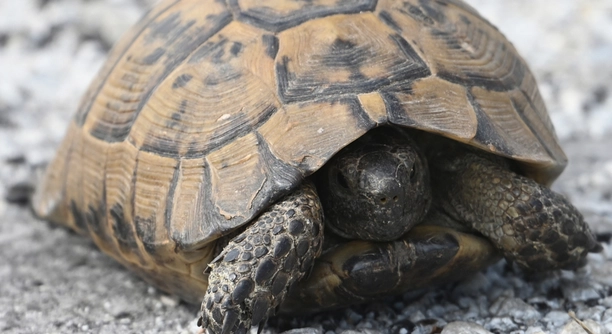
Greek tortoises are fascinating creatures, and their behavior can sometimes leave us wondering. One such curious habit is digging, even when there’s no substrate involved. This behavior can be puzzling but is natural for these reptiles.
Greek tortoises dig for a variety of reasons, even when there is no substrate. These reasons can include instinctual behavior, seeking comfort, and even environmental stressors. Understanding these causes will help you better meet your tortoise’s needs.
There are several factors behind this behavior that every tortoise owner should be aware of. Recognizing these triggers will help you create a better environment for your Greek tortoise. Let’s explore the main causes of this digging habit.
Natural Instincts
Tortoises, including Greek tortoises, have natural instincts that drive their digging behavior. In the wild, these reptiles dig to create shelters, find food, or even regulate their body temperature. Digging is part of their survival mechanism, helping them hide from predators or seek out cooler or warmer places depending on the climate. Even without substrate, your tortoise might still engage in this activity as a way to mimic what it would do in nature. It’s essential to consider these behaviors as part of their instincts and not just a random action.
Digging is a survival trait for tortoises, ensuring they feel secure and comfortable.
Understanding that this behavior is natural helps us avoid overreacting. Tortoises, even in captivity, carry these instincts with them. If they don’t have a substrate to dig into, they may try to dig into the floor or other areas around them. These actions can be a sign that they are simply expressing a natural urge. Without proper outlets, they might dig in places that don’t have the intended benefits, but the instinct remains strong. To help your tortoise, providing adequate space and a suitable environment can reduce unnecessary digging and encourage a more peaceful life in captivity.
Seeking Comfort
Tortoises are sensitive creatures, and comfort is important for them. They dig to find cooler or warmer spots, depending on their needs. In nature, they often dig to find a comfortable temperature to regulate their body heat. This digging behavior can carry over into a captive environment.
Tortoises dig to find comfort and regulate temperature.
In captivity, temperature regulation is vital for a tortoise’s health. If they dig in areas with no substrate, it’s likely because they are searching for a more suitable environment. They may feel too hot or too cold in the open space, and digging gives them a sense of control over their surroundings. To provide comfort, ensure that your tortoise has access to different temperature zones. With a designated warm area and a cooler spot, your tortoise can dig and settle into the area that best suits its needs. Adding more substrate to the enclosure also gives your tortoise an outlet for this natural behavior, leading to a more content tortoise.
Stress and Anxiety
Tortoises may dig when they feel stressed or anxious. This could be triggered by changes in their environment, noise, or even new animals in the home. Digging offers them a way to cope with these feelings, providing a sense of security.
Stress-related digging can be a sign of discomfort. If your tortoise is constantly digging without any other obvious reason, it might be reacting to environmental changes. A noisy household, unfamiliar scents, or handling can increase stress levels. This behavior is often temporary, but it’s important to address what may be causing anxiety. Keeping the environment calm and consistent will help your tortoise feel safer. Ensure that their enclosure is in a quiet area with minimal disturbance. Also, maintaining a routine can ease their stress.
If your tortoise is digging due to anxiety, the best solution is to reduce stress triggers. Make sure the habitat is stable and free from disturbances that could upset them. Regularly monitor changes to their environment, and if stress persists, you may want to consult with a vet to rule out health issues. Being mindful of their comfort and well-being can help reduce the digging behavior.
Health Concerns
Health issues can cause your tortoise to dig. This could be due to discomfort from illness or injury. Digging is a common behavior in animals seeking to self-soothe during times of pain or discomfort.
Tortoises suffering from discomfort might dig as a response to physical pain. If they are ill or hurt, this behavior might be a sign that they are trying to alleviate their symptoms. For example, shell problems or digestive issues can cause pain, leading them to dig as a way to cope. It’s crucial to look for other signs of illness, such as changes in appetite, lethargy, or unusual behavior. If these symptoms appear along with excessive digging, a trip to the vet is necessary. Prompt attention to their health will help prevent further stress or injury.
Keeping an eye on your tortoise’s behavior and health is important for preventing unnecessary suffering. If digging becomes persistent and is coupled with other signs of illness, it’s time to investigate further. A vet can offer advice or treatment to ensure your tortoise is comfortable and healthy. Regular check-ups can help identify issues early, making it easier to manage any health concerns. Proper care will ensure your tortoise leads a happy and healthy life.
Loneliness and Boredom
If your tortoise is left alone for long periods, it may dig due to boredom or loneliness. Tortoises are social creatures and may dig as a way to entertain themselves when not mentally stimulated.
Without interaction, your tortoise may turn to digging as a way to pass the time. It’s essential to give your tortoise enough attention and enrichment. Provide toys, hide food, or place obstacles in the enclosure to encourage natural behaviors and reduce boredom. If your tortoise seems lonely, consider getting a companion if possible, but make sure they are compatible. Regular interaction will keep them mentally and physically active.
Environmental Temperature
A tortoise’s environment should have a balanced temperature. If it’s too hot or too cold, they may dig to find a more suitable spot. Proper temperature regulation is crucial for their well-being.
Temperature issues can cause discomfort for tortoises, leading them to dig. They may dig to cool down if the area is too warm or seek warmth in cooler environments. To keep your tortoise comfortable, monitor the temperature regularly and provide temperature gradients within their enclosure. This allows them to regulate their body heat by moving between warm and cool areas. The ideal temperature for Greek tortoises is between 75°F and 85°F during the day, with a nighttime drop to around 65°F. Proper lighting and heating are key to maintaining these conditions.
Inadequate Space
When tortoises don’t have enough space, they might dig in an attempt to create a more comfortable area. Limited room can make them feel confined, causing stress and unwanted behaviors like excessive digging.
A cramped enclosure is not ideal for a Greek tortoise. It can prevent them from moving freely and lead to digging as a way to relieve frustration. Tortoises need a large enough space to roam and explore, which helps mimic their natural environment. A suitable enclosure size allows for both exercise and the freedom to dig if they need to. If the space is too small, your tortoise may feel trapped and dig more frequently. Aim for a large enclosure with ample room to encourage a healthy, active lifestyle.
FAQ
Why does my tortoise dig when there’s no substrate?
Tortoises may dig even without substrate because it’s part of their natural behavior. In the wild, they dig to create shelters, hide from predators, or regulate their body temperature. Even without soil or sand, this instinct remains strong, and they may dig to express these natural tendencies. The absence of a suitable substrate can also make them dig into the floor or corners of their enclosure. Providing more suitable conditions, like a substrate, will help curb this behavior and provide them with the comfort they need.
How can I stop my tortoise from digging?
Stopping your tortoise from digging requires addressing the root cause of the behavior. First, check the environment for stressors, such as temperature imbalances, noise, or other animals. Make sure they have enough space to roam freely. Enrich the enclosure by adding hides, plants, or toys to keep them occupied. If boredom is the issue, increasing interaction or introducing a companion may help. If none of these fixes work, it could be a sign of health issues, and a visit to the vet is recommended.
Is digging harmful to my tortoise?
Digging itself isn’t harmful to your tortoise unless it’s driven by stress or illness. It’s a natural behavior that allows them to regulate temperature, create shelter, or express instincts. However, excessive or constant digging may indicate an underlying problem. If your tortoise digs obsessively or shows signs of discomfort, it’s important to check their health and environment. Proper care and a well-maintained habitat can minimize any negative effects.
How often should I let my tortoise dig?
It’s not a matter of how often, but rather making sure your tortoise has the opportunity to dig when they want to. In the wild, they dig whenever necessary, and providing a substrate allows them to express this natural behavior. In captivity, offer an area where your tortoise can dig safely. Just ensure the environment is clean and provides them with a comfortable, stress-free space. If they dig frequently, consider observing their behavior for any signs of discomfort or stress.
Can a tortoise live without digging?
Tortoises need the ability to dig, as it’s part of their natural instincts. They use digging to find shelter, regulate body temperature, and feel secure. While they can live without digging for short periods, a tortoise’s well-being is better supported when they have a proper environment that allows this behavior. Ensuring that they have access to a suitable substrate and ample space for digging will help promote their mental and physical health.
Why does my tortoise dig at night?
Tortoises may dig at night as part of their natural circadian rhythm. They are crepuscular creatures, meaning they are most active during dawn and dusk. Digging at night may simply be a result of their need to find a comfortable place to rest or regulate their body temperature. It could also be linked to their instincts to burrow for protection from potential threats in the wild. If your tortoise digs only at night and seems otherwise healthy, it’s likely not a cause for concern.
Can I provide my tortoise with too much space?
While it’s rare to provide a tortoise with too much space, too much open space without adequate enrichment can lead to boredom or stress. It’s important to have an enclosure that’s spacious enough for them to move around freely but also contains features that stimulate their natural behaviors, such as places to hide, climb, or dig. The space should be large enough for them to explore but still feel secure and comfortable. The key is balance, offering enough room without overwhelming them.
How do I know if my tortoise is digging because of stress?
If your tortoise is digging excessively or in unusual patterns, it could be a sign of stress. Look for other signs such as changes in appetite, lethargy, aggression, or hiding. Stress can be caused by environmental changes, loud noises, new pets, or even improper handling. If the digging is accompanied by any of these signs, it’s important to evaluate their environment and make adjustments to reduce stressors. Reducing anxiety can sometimes stop the digging behavior, but if it continues, a visit to the vet is a good next step.
How do I create a proper digging environment for my tortoise?
To create a proper digging environment, provide a deep enough substrate that allows your tortoise to dig and burrow. Materials like coconut fiber, sand, or soil are great options, but make sure they are clean and free of chemicals. The substrate should be at least a few inches deep to allow for natural digging behavior. Additionally, make sure the habitat is large enough, with temperature gradients and places to hide. Creating a safe and natural environment will encourage healthy digging habits and overall well-being for your tortoise.
Is there a specific substrate that encourages digging?
Yes, certain substrates are better for encouraging digging. Materials like organic soil, coconut coir, and sand are popular choices for tortoises. These substrates are not only great for digging, but they also help maintain humidity and temperature. It’s important to ensure that the substrate is non-toxic and free from harmful chemicals. A mixture of sand and soil can mimic the natural environment for many species of tortoises. Keep the substrate clean, and replace it regularly to maintain a healthy and comfortable environment.
In conclusion, digging is a natural behavior for Greek tortoises, and it’s important to understand that it can stem from various factors, including instincts, stress, health concerns, and environmental factors. Tortoises dig to create shelter, regulate their temperature, or simply feel comfortable. When they dig without substrate, it’s a sign that they are still following these instincts, even though the conditions may not fully support them. Ensuring that your tortoise has the right space and environmental factors in place can help minimize excessive digging.
If your tortoise is digging excessively, it’s important to examine the situation carefully. First, check for any signs of stress or discomfort in their environment. Is the temperature too hot or too cold? Is there enough space for your tortoise to move around comfortably? These factors can make a significant difference in their digging behavior. In some cases, it could be a result of boredom or loneliness, and providing enrichment or even companionship could help. Always pay attention to the signs your tortoise gives you, as they can guide you toward what might be causing the behavior.
Lastly, remember that while digging is generally harmless, it’s crucial to keep an eye on any changes that may signal health concerns. If digging seems excessive or is paired with other signs like changes in appetite, lethargy, or abnormal behavior, it’s time to consider a visit to the vet. With the right care, environment, and attention, your tortoise can feel safe and comfortable, leading to a happy and healthy life. Keep their habitat as natural as possible, allowing them to engage in their natural behaviors, including digging, and they will thrive.

Hello,
If you enjoy the content that we create, please consider saying a "Thank You!" by leaving a tip.
Every little bit helps us continue crafting quality advice that supports the health, happiness, and well-being of pets around the world, for pets of all shapes, sizes, and species.
We really appreciate the kindness and support that you show us!