
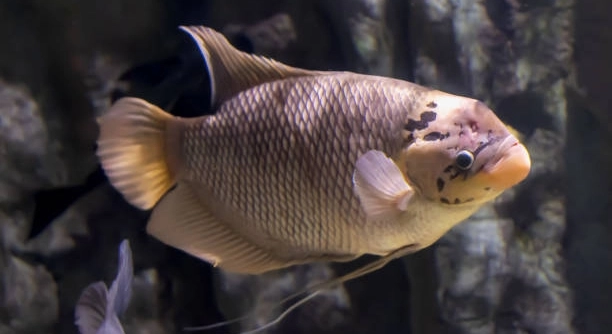
Are your gouramis constantly splashing at the water surface, making ripples in their tank? This behavior can be surprising for many fish owners, especially when it happens repeatedly, leaving you unsure about what is causing it.
Gouramis often splash the surface as a natural response to their environment, including oxygen levels, tank conditions, or instinctive bubble nest building. Stress, hunger, and territorial behavior can also contribute to frequent surface splashing in these fish.
Understanding why your gourami behaves this way can help improve its tank environment and overall well-being, making every swim more peaceful and healthy for your aquatic companion.
Common Reasons Gouramis Splash the Surface
Gouramis splash the surface for several practical reasons. One of the main causes is low oxygen in the tank. They often gulp air directly from the surface to get enough oxygen. Bubble nest building is another natural behavior, especially for male gouramis, as they create small clusters of bubbles to protect their future eggs. Stress can also trigger surface splashing. Sudden changes in water temperature, overstocked tanks, or aggressive tank mates may make your gourami feel unsafe, prompting it to stay near the surface. Hunger can contribute too, as the fish may anticipate feeding time at the top of the tank. Observing your gourami’s behavior in context can help you determine whether the splashing is normal or a sign of something that needs attention. Proper tank care often reduces this surface activity and keeps your fish calmer.
Monitoring oxygen levels, tank mates, and feeding schedules often minimizes surface splashing.
Consistently splashing may indicate a combination of factors. Male gouramis naturally build bubble nests, while others react to environmental stressors. Checking water quality, temperature, and diet ensures your gourami remains comfortable. Adjusting tank conditions can reduce unnecessary splashing, supporting their health and natural behavior patterns.
How Tank Conditions Affect Splashing
Poor tank conditions often increase surface activity in gouramis.
Water quality plays a major role in your gourami’s comfort. High levels of ammonia, nitrites, or nitrates create stress, which encourages surface splashing. Tanks that are too small or crowded also force gouramis to compete for space, leading them to stay near the surface. Uneven water temperature or weak filtration can make the environment less stable, causing frequent splashing as the fish seek better conditions. Regular water changes, proper filtration, and maintaining stable temperatures are essential steps to reduce stress. Adding floating plants can give your gourami safe areas near the surface while promoting oxygen circulation. Observing these adjustments often leads to calmer behavior. Ensuring a clean, balanced, and appropriately sized tank supports the natural instincts of your gourami without causing constant splashing. This approach keeps your fish active but comfortable, encouraging healthier swimming patterns.
Diet and Feeding Habits
Uneven feeding schedules can make gouramis splash more at the surface. They quickly learn when food arrives and often wait near the top, tapping or jumping to signal their hunger.
Overfeeding or offering unsuitable food can stress gouramis, causing erratic surface behavior. High-protein diets may lead to faster metabolism, increasing their activity near the water’s top. Uneaten food also decomposes, lowering water quality, which further encourages splashing. Feeding smaller amounts multiple times a day keeps them calmer and reduces surface agitation. Monitoring how your gourami responds to different food types helps identify the ideal feeding routine. Proper nutrition and timing support both energy levels and a stable environment, limiting unnecessary splashing.
Providing varied diets that match their natural preferences promotes calmer surface behavior. Including flakes, pellets, and occasional live or frozen foods ensures balanced nutrition. Avoid overfeeding and remove leftover food to maintain water quality.
Stress and Environmental Factors
Gouramis respond strongly to stress, which often shows as frequent surface splashing. Sudden changes in tank conditions, loud vibrations, or aggressive tank mates can trigger this response.
Maintaining a stable environment is crucial. Gradual water changes, consistent temperature, and minimal disruptions help reduce stress. Overcrowding forces gouramis to compete for territory, encouraging surface activity. Floating plants and hiding spots offer a sense of security, allowing them to feel less threatened. Observing their interactions with other fish and adjusting tank layout prevents constant agitation. Even small environmental improvements can significantly calm your gouramis, reducing the need to splash at the surface. Properly managing stress supports their health and natural behavior patterns, creating a peaceful tank environment.
Breeding Behavior
Male gouramis often splash at the surface while building bubble nests. This is a natural behavior and usually indicates readiness to breed.
During breeding, males protect their bubble nests vigorously. Splashing helps maintain the nest’s structure and signals other fish to stay away, ensuring safety for future eggs.
Oxygen Levels
Low oxygen in the tank can cause gouramis to stay near the surface. They use their labyrinth organ to gulp air directly from above the water. Regular aeration and water circulation prevent oxygen shortages and reduce surface splashing.
Tank Size and Space
Small or overcrowded tanks increase surface activity. Gouramis need enough space to swim freely. Providing adequate room reduces stress and allows calmer, more natural behavior patterns.
FAQ
Why does my gourami splash more at night?
Gouramis can be more active at night if the tank is dimly lit or if they sense movement outside the aquarium. Splashing at night is often linked to instinctive behaviors like exploring or checking for oxygen at the surface. Consistent lighting schedules and a calm environment can reduce this activity.
Is surface splashing a sign of illness?
Not always. While frequent splashing can indicate stress or low oxygen, it is not necessarily a sign of disease. Watch for other symptoms such as clamped fins, lethargy, or unusual spots. If these appear, it may indicate a health issue that requires attention.
Can the type of tankmates cause my gourami to splash?
Yes. Aggressive or overly active fish can stress gouramis, causing them to remain near the surface and splash. Peaceful, similarly sized tankmates usually reduce this behavior. Observing interactions and adjusting the fish combination often helps your gourami feel safer.
How does water temperature affect surface splashing?
Sudden temperature changes can stress gouramis, leading to more surface activity. Maintaining a stable temperature within the recommended range for gouramis prevents stress. Using a reliable heater and thermometer ensures their environment stays consistent, supporting calmer behavior.
Will adding plants reduce surface splashing?
Floating plants and surface cover give gouramis safe areas to explore and hide. They also improve oxygen circulation and reduce the need to constantly gulp air from the surface. Adding plants often results in calmer swimming patterns.
How often should I check water quality to prevent splashing?
Testing water weekly for ammonia, nitrites, nitrates, and pH helps maintain a stable environment. Poor water quality increases stress, which in turn causes more surface activity. Regular maintenance and partial water changes support both health and calmer behavior.
Does feeding schedule affect splashing?
Yes. Irregular feeding makes gouramis wait at the surface, tapping or jumping for food. Consistent feeding times and portion control help manage their energy and reduce surface activity. Small, frequent meals are often more effective than one large feeding.
Are all gouramis prone to splashing?
Not all, but many gourami species naturally explore the surface due to their labyrinth organ. Males, in particular, exhibit more splashing for bubble nest building. Understanding species-specific behavior helps set realistic expectations for their activity.
Can splashing damage the tank environment?
Frequent splashing can increase evaporation, slightly change water parameters, and create wet areas around the tank. Covering the tank partially with a lid while leaving room for air exchange helps maintain stability.
How do I know if splashing is normal or problematic?
Observe your gourami’s overall behavior and environment. Occasional splashing for breathing, feeding, or nesting is normal. Excessive, frantic, or continuous splashing, combined with other stress signs, indicates that adjustments to tank conditions, diet, or water quality are needed.
Final Thoughts
Understanding why your gourami splashes at the surface is an important step in providing proper care. Many factors can influence this behavior, including water quality, tank size, feeding routines, and stress levels. By observing your fish closely, you can often identify what is triggering the splashing. Not every splash is a cause for concern, as some behaviors, like bubble nest building in males, are natural and healthy. Paying attention to patterns in when and how your gourami splashes helps you respond appropriately and maintain a comfortable environment for your fish. Small adjustments, like adding floating plants or checking oxygen levels, can make a noticeable difference in their behavior.
Tank conditions play a major role in your gourami’s comfort and activity. Overcrowded or poorly maintained tanks often lead to increased surface splashing, while a clean, stable environment encourages calmer behavior. Regular water testing and consistent temperature management reduce stress and help your gourami feel safe. Proper filtration and aeration are also essential, as they maintain water quality and oxygen levels. Feeding routines influence behavior too, with irregular or excessive feeding causing excitement near the surface. Offering a balanced diet in moderate portions supports both their health and calmer movement in the tank. Watching how your gourami interacts with its surroundings and adjusting conditions accordingly ensures a healthy and balanced habitat.
Behavioral changes in gouramis are often signs of environmental or health-related issues. Surface splashing is a common response to stress, oxygen needs, or natural instincts, but persistent or extreme splashing should not be ignored. By observing your gourami daily and addressing potential triggers, you can prevent unnecessary stress and maintain a peaceful tank. Adding cover, ensuring adequate space, and keeping tankmates compatible all contribute to a more relaxed fish. Ultimately, understanding and responding to your gourami’s behavior creates a healthier, happier environment, allowing you to enjoy their natural activities without constant concern. Maintaining proper care routines and observing subtle changes makes a significant difference in supporting the long-term health and well-being of your fish.

Hello,
If you enjoy the content that we create, please consider saying a "Thank You!" by leaving a tip.
Every little bit helps us continue crafting quality advice that supports the health, happiness, and well-being of pets around the world, for pets of all shapes, sizes, and species.
We really appreciate the kindness and support that you show us!