
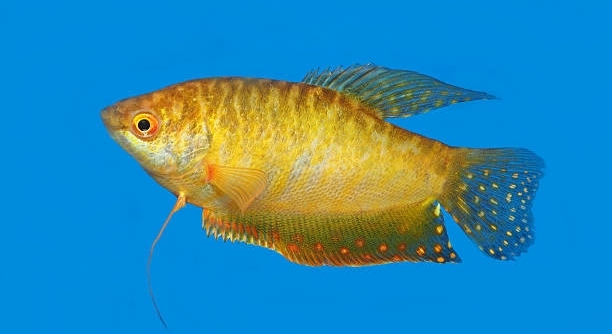
Many gourami owners notice their fish lingering near the heater and find it puzzling. This behavior can appear worrying, especially when the fish seems inactive or isolated. Observing these habits closely can reveal important clues about their needs.
Gouramis often face the heater when the water temperature is lower than their preferred range. This behavior helps them regulate their body heat and maintain comfort. Ensuring consistent temperature and proper tank conditions reduces stress and promotes healthy behavior.
Understanding your gourami’s habits can improve its wellbeing and tank environment. Observing subtle signals helps maintain a balanced and healthy aquatic habitat.
Common Reasons Gouramis Face the Heater
One of the main reasons your gourami faces the heater is water temperature. Gouramis prefer warm, stable water, usually between 75 and 80 degrees Fahrenheit. When the tank drops below this range, they naturally move toward the heater to feel comfortable. Another factor can be illness or stress. If your fish is showing unusual behavior like hiding, loss of appetite, or rapid gill movement, it may indicate a health problem. Poor water quality is also a significant factor. High ammonia, nitrite, or nitrate levels can make your gourami seek warmth as a coping mechanism. Observing their daily behavior and maintaining consistent tank conditions can prevent these issues. Finally, sometimes gouramis may simply enjoy the gentle heat, especially if the tank’s lighting or current is causing them discomfort elsewhere. Regular monitoring ensures your fish remains active and healthy.
Keeping the water at a stable temperature avoids unnecessary stress and promotes normal behavior in your gourami.
Consistent temperature, proper filtration, and regular water changes make a big difference. Paying attention to your fish’s positioning in the tank helps you spot problems early. If the gourami constantly stays near the heater, check both the water quality and temperature. Sometimes, adding decorations or plants can create hiding spots, giving the fish more comfort and reducing reliance on the heater. Proper nutrition also helps strengthen the immune system, making the gourami less prone to stress. Small adjustments in tank setup can improve overall behavior and health. Observing their habits closely and responding quickly ensures a thriving, active fish.
Tips for Maintaining Optimal Tank Conditions
Regularly testing water parameters keeps your tank safe and stable for gouramis.
Maintaining a proper tank temperature, feeding balanced meals, and providing hiding places all contribute to a healthy environment. Attention to these details reduces stress and encourages natural behavior, keeping your gourami comfortable and active.
Water stability is key for gouramis to thrive. Sudden temperature changes, poor water quality, and overcrowding can stress them, leading to unusual behaviors such as facing the heater. Using a reliable heater with a thermostat ensures consistent warmth. Regular partial water changes prevent the buildup of harmful chemicals and maintain clarity. Avoid overfeeding, which can worsen water quality and encourage illness. Decorating the tank with plants and hiding spots creates a secure environment that reduces stress. Observing your fish daily allows you to notice early signs of discomfort or disease. A healthy diet, including high-quality flakes or pellets supplemented with occasional live or frozen foods, strengthens their immune system. By addressing these factors, you create a balanced habitat where your gourami can behave naturally, remain active, and enjoy stable, comfortable conditions.
Adjusting Heater Placement
Positioning the heater correctly prevents your gourami from clustering in one spot. It should be near the filter for even heat distribution. Avoid placing it where the fish cannot swim freely. Proper placement encourages natural movement and reduces stress caused by localized hot spots.
Check the water flow around the heater to ensure temperature spreads evenly. Gouramis may linger near the heater if certain areas of the tank are cooler. Using a thermometer at different spots helps identify uneven warmth. Sometimes, relocating the heater slightly or adding a small water circulation device can balance the temperature. Keeping the tank consistently warm across all areas promotes healthier, more active behavior in your gourami. Regularly monitor the temperature and adjust as needed to maintain stability and prevent prolonged clustering near the heater.
Heater guards or covers can protect your gourami from accidental burns. Observing their reactions after adjustments shows if placement changes are effective. If the fish continues to stay near the heater, check for other stress factors. Temperature consistency combined with proper tank setup creates a more comfortable environment. Gouramis respond positively to steady heat, proper hiding spots, and flowing water.
Monitoring Fish Behavior
Paying attention to daily behavior helps identify stress or illness early. Small changes can signal discomfort.
Observe swimming patterns, eating habits, and interactions with other fish. If your gourami stays near the heater constantly, it may indicate a need for improved tank conditions. Behavioral changes such as lethargy, rapid gill movement, or hiding can highlight water quality issues, temperature fluctuations, or minor health problems. Keeping a log of these observations makes it easier to track trends and respond quickly. Adjusting feeding, water changes, and environmental enrichment often resolves minor stress and encourages natural activity. Understanding your fish’s normal behavior allows you to notice subtle signs before they become severe.
Consistent monitoring combined with a stable environment ensures gouramis remain healthy and active. Sudden temperature drops or poor water conditions often trigger unusual behaviors. Providing balanced nutrition and observing interactions within the tank helps detect early signs of stress or illness. Enrichment like plants, decorations, and hiding spots encourages exploration and reduces reliance on the heater for comfort. Gradual changes in tank conditions are better tolerated than abrupt adjustments. When behavioral concerns persist despite proper temperature and water quality, consulting a vet or experienced aquarist may be necessary. Tracking patterns and addressing small issues promptly prevents long-term problems and promotes a thriving aquatic environment.
Common Tank Mistakes
Overcrowding can stress your gourami and make it stay near the heater. Too many fish reduce swimming space and create uneven temperature zones, causing discomfort.
Neglecting regular water changes also leads to poor conditions. High waste levels make the fish seek warmth, as stressed gouramis often cluster in more comfortable areas.
Feeding and Nutrition
Improper diet affects your gourami’s behavior. Feeding too much or too little can cause stress, lethargy, or unusual habits like lingering near the heater. A balanced diet of high-quality flakes, pellets, and occasional frozen foods supports energy and overall health, reducing temperature-seeking behavior.
Tank Environment
Plants and decorations provide hiding spots and reduce reliance on the heater. Gouramis feel safer and move more naturally when their environment is enriched.
FAQ
Why does my gourami always stay near the heater?
Gouramis are tropical fish that prefer stable, warm water. If your fish stays near the heater, it usually indicates the tank temperature is lower than their comfort range. Ensuring the water stays consistently between 75 and 80 degrees Fahrenheit can reduce this behavior.
Can stress cause my gourami to face the heater?
Yes. Stress from overcrowding, aggressive tank mates, or poor water quality can make gouramis seek warmth as a coping mechanism. Creating a calm, well-maintained environment helps your fish feel secure and encourages natural movement away from the heater.
Could illness make my gourami cluster near the heater?
Illness can contribute. Lethargy, loss of appetite, rapid gill movement, or unusual swimming patterns alongside heater-seeking behavior can signal health problems. Observing symptoms and testing water quality, combined with proper diet, helps prevent or address disease early.
Is my tank heater set incorrectly?
Heater placement and calibration matter. If the heater creates uneven temperature zones, your gourami may gather in warmer areas. Place the heater near the filter for even heat distribution and monitor with a reliable thermometer to ensure stable temperatures.
Does water flow affect this behavior?
Yes. Gouramis prefer gentle currents. Strong flow near the heater may push them into warmer, calmer areas. Adjusting filter output or adding plants to break currents can improve comfort and reduce clustering near the heater.
Can diet influence heater-seeking behavior?
Improper feeding can affect energy and behavior. Overfeeding pollutes water, while underfeeding weakens the fish. A balanced diet of high-quality flakes, pellets, and occasional frozen foods supports energy levels and encourages normal activity throughout the tank.
Do tank decorations matter?
Decorations, plants, and hiding spots give gouramis security. Without them, fish may rely on heater areas for comfort. Providing plenty of cover encourages exploration and reduces prolonged heater-seeking behavior.
How often should I check water temperature?
Daily checks help maintain stability. Temperature swings can stress gouramis, prompting heater-seeking. Use a thermometer in multiple tank locations and ensure the heater is functioning properly to prevent sudden drops or hot spots.
Can lighting affect heater behavior?
Yes. Bright or uneven lighting may make certain areas less comfortable. Gouramis often move to heater zones if lighting is harsh elsewhere. Adjusting tank lights or providing shaded areas can encourage natural movement.
Is it normal for gouramis to face the heater occasionally?
Occasional visits are normal. It becomes a concern when your fish stays near the heater consistently, appears lethargic, or shows signs of stress. Observing patterns and making small adjustments usually resolves this behavior.
How do I know if the heater itself is causing stress?
Watch for erratic swimming, rubbing against objects, or constant clustering. A malfunctioning heater can create hot spots or fluctuations. Check for proper function, correct placement, and consistent water temperature. Using a heater guard prevents accidental contact injuries.
Can multiple factors contribute at the same time?
Yes. Temperature, water quality, stress, diet, and environment often interact. Addressing each aspect—stable warmth, clean water, balanced feeding, and adequate hiding spots—creates a healthier habitat and reduces heater-seeking.
When should I consult a professional?
If your gourami remains near the heater despite proper temperature, diet, and tank setup, or shows illness signs, consulting a vet or experienced aquarist is advisable. Early intervention prevents long-term health problems.
Are some gourami species more likely to face the heater?
Yes. Species with higher temperature preferences or more sensitive stress responses may cluster more. Understanding your species’ needs and adjusting the tank accordingly minimizes heater dependency.
Does age or size affect this behavior?
Younger or smaller gouramis may seek warmth more frequently. Juveniles are less able to regulate body temperature efficiently. Ensuring consistent tank conditions supports healthy growth and reduces heater reliance.
Can seasonal changes influence heater-seeking?
Yes. Room temperature fluctuations in winter or cooler months can cause gouramis to spend more time near the heater. Maintaining steady water temperature year-round prevents prolonged exposure and stress.
How do I balance multiple gouramis in one tank?
Ensure enough space, hiding spots, and stable temperature. Dominant fish may push others toward the heater. Proper stocking levels and environmental enrichment reduce competition and stress, promoting even movement throughout the tank.
Is heater-seeking always negative?
Not necessarily. Occasional visits to regulate warmth are normal. Consistent, prolonged clustering is a sign of stress, poor water conditions, or health issues. Monitoring behavior and addressing potential causes ensures a comfortable environment.
How quickly can behavior improve after adjustments?
Changes like stabilizing temperature, improving water quality, or adding hiding spots often show results within days to weeks. Monitoring and small adjustments prevent stress recurrence and maintain long-term comfort for your gourami.
Can heater-seeking indicate long-term problems?
If left unaddressed, persistent clustering can indicate ongoing stress, poor water quality, or chronic health issues. Taking preventative steps early improves overall wellbeing and reduces the risk of future complications.
Final Thoughts
Observing your gourami’s behavior closely is the first step to understanding why it spends time near the heater. This behavior is often a response to temperature changes or discomfort in the tank environment. Gouramis are tropical fish that thrive in stable, warm water. When the water temperature falls below their preferred range, they naturally move toward the heater to regulate their body heat. While occasional visits to the heater are normal, consistent clustering signals that adjustments may be necessary. Regular monitoring of water temperature using a reliable thermometer helps ensure the tank remains within the ideal range. Small fluctuations or uneven heating can stress the fish, making them rely on localized warm areas for comfort. Keeping the temperature stable is a simple yet highly effective way to encourage natural swimming patterns and prevent stress-related behaviors.
Water quality plays a critical role in your gourami’s comfort and health. High levels of ammonia, nitrites, or nitrates can create stress, causing the fish to linger near the heater. Performing regular water changes, maintaining a proper filtration system, and testing water parameters frequently can prevent these issues. Overfeeding can also impact water quality, so feeding in controlled amounts and removing uneaten food is important. In addition to water quality, the tank environment itself can influence behavior. Providing plants, decorations, and hiding spots allows your gourami to feel secure and move freely, reducing the need to stay in one area for comfort. Even minor adjustments to the tank layout, such as repositioning the heater or adding gentle water flow, can make a noticeable difference. Observing your fish’s reactions to these changes is key to maintaining a healthy and comfortable habitat.
Nutrition and overall care also affect how your gourami behaves. A balanced diet with high-quality flakes or pellets, supplemented occasionally with frozen or live foods, supports energy levels and overall health. Weak or malnourished fish are more likely to display unusual behaviors, including clustering near the heater. Additionally, stress from overcrowding, aggressive tank mates, or inconsistent conditions can worsen this behavior. Taking a comprehensive approach—monitoring temperature, maintaining clean water, providing a balanced diet, and ensuring a secure environment—creates a comfortable and healthy habitat. By paying attention to these details and responding to your gourami’s needs, you can reduce prolonged heater-seeking behavior. This promotes normal activity, improves overall wellbeing, and ensures your fish remains active and healthy over the long term.

Hello,
If you enjoy the content that we create, please consider saying a "Thank You!" by leaving a tip.
Every little bit helps us continue crafting quality advice that supports the health, happiness, and well-being of pets around the world, for pets of all shapes, sizes, and species.
We really appreciate the kindness and support that you show us!