
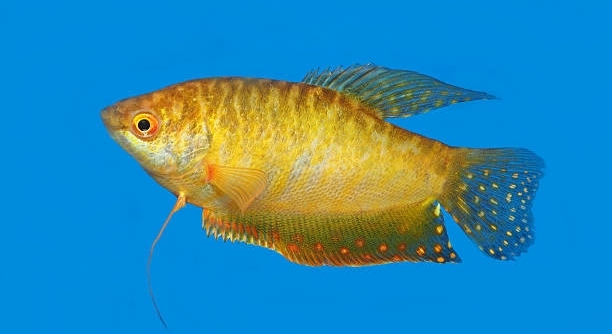
Do your gouramis swim to the cooler side of the tank, leaving the heater area empty? Many fish owners notice this behavior and wonder why their pets avoid the warmer spots in their aquariums.
Gouramis often avoid the heater side due to stress, water temperature fluctuations, or personal preference for cooler areas. Uneven heating or discomfort from direct heat can make them seek the more stable, cooler parts of the tank.
Observing these habits can reveal important clues about your fish’s comfort and overall tank conditions. Proper understanding ensures a healthier and more balanced environment for your gourami.
Understanding Gourami Behavior Around Heaters
Gouramis are sensitive to their environment, and temperature plays a big role in their comfort. They can detect even small differences in water warmth and often move to areas where they feel stable. Some gouramis prefer cooler areas if the heater creates a warm patch that feels too intense. This doesn’t always mean something is wrong with the heater; it can be a matter of personal preference. Overheating can stress them, reduce appetite, and affect their activity levels. Watching their movement patterns over time helps identify if they are adjusting normally or showing signs of discomfort. Uneven tank temperatures, placement of decorations, or strong water currents near the heater can also influence their choice. By creating consistent temperature zones and ensuring gentle water flow, gouramis are more likely to feel comfortable throughout the tank. Observing subtle behaviors, like hiding near plants or swimming slowly, can indicate whether your gourami is simply avoiding the heat or experiencing stress.
Temperature sensitivity is a normal part of gourami behavior, so gradual adjustments help them feel safe and balanced.
Keeping an eye on your gourami’s daily habits is important. If they consistently avoid the heater side, small changes like moving the heater, adding a thermally insulated cover, or rearranging decorations can help. Monitoring water temperature with a reliable thermometer ensures consistency and prevents sudden spikes. Additionally, providing shaded areas or floating plants near the heater can create comfortable escape zones. Observing how your gourami interacts with other tank mates is also useful, as social stress can make them avoid warmer areas. By combining these small adjustments, you can make the tank a more welcoming environment. Tracking their reactions over several days lets you confirm whether changes are effective or if other factors, such as water quality or lighting, may be influencing their behavior.
Common Reasons Gouramis Avoid Heater Zones
Gouramis avoid heated areas mainly due to uneven temperatures, stress, or discomfort. They instinctively seek areas where conditions feel safer and more stable, moving away from sudden warmth or strong currents.
Water temperature consistency is key to your gourami’s comfort. Heaters that create hot spots or fluctuate widely can make them anxious and reduce activity, sometimes even affecting their immune system. Stress from tank overcrowding, aggressive tank mates, or sudden changes in light and water quality can also drive them to cooler sections. Gouramis are naturally cautious and may retreat to areas with plants or decorations that provide cover, giving them a sense of security. Gradual temperature adjustments and consistent monitoring reduce stress and encourage them to explore more of the tank. Ensuring that both sides of the aquarium offer comfortable conditions, gentle water flow, and hiding spots helps maintain a balanced environment. Regular observation allows you to detect patterns in behavior, making it easier to pinpoint any environmental factors causing them to avoid the heater side. By addressing these aspects, your gourami can maintain healthy activity levels and a stable, calm lifestyle within the aquarium.
Adjusting Tank Conditions
Temperature consistency is essential. Gouramis prefer stable water and may avoid areas that are too warm or unevenly heated. Ensuring gradual changes helps reduce stress and keeps them more active across the tank.
Placement of decorations and plants can influence movement. Floating plants or shaded areas near the heater create comfortable spots, allowing gouramis to escape direct warmth while still exploring the tank. Strong water currents near the heater can also push them toward cooler zones. By arranging the tank to provide both warm and cooler regions, you support their natural behavior. Monitoring reactions over several days ensures that adjustments are effective and the tank environment feels safe.
Maintaining proper water parameters alongside temperature is crucial. Regular checks for pH, ammonia, nitrite, and nitrate levels help prevent stress that may lead gouramis to avoid certain areas. Balanced feeding and avoiding overcrowding complement temperature adjustments. Creating multiple zones with gentle flow and hiding spaces reduces stress and encourages exploration. With careful observation and consistent conditions, your gouramis can feel secure and utilize the entire tank, including areas around the heater.
Recognizing Signs of Discomfort
A lethargic or hiding gourami often indicates discomfort. Avoiding the heater consistently can be a signal to adjust conditions.
Behavioral cues like slow swimming, clamped fins, or staying in one corner show stress or sensitivity to heat. Some gouramis may refuse food near warmer areas or interact less with tank mates, signaling the need for environmental adjustments. Observing these signs early helps prevent long-term health issues and supports their natural behavior.
Regular monitoring is key. Noting patterns in swimming, feeding, and interaction can reveal whether avoidance is temporary or persistent. Temperature fluctuations, strong currents, or placement of decorations may need modification. Providing shaded or cooler spots encourages movement and reduces anxiety. Consistent water quality checks and careful observation of tank dynamics ensure gouramis remain healthy and comfortable, minimizing stress-related behaviors. Recognizing discomfort allows for proactive changes, promoting a stable and welcoming environment where gouramis feel secure while exploring the tank.
Common Environmental Factors
Uneven heating is a frequent reason gouramis avoid the heater. Hot spots can make them uncomfortable, prompting them to swim to cooler areas.
Strong water currents near the heater also discourage them. Gouramis prefer gentle flow and may avoid areas with turbulence or direct water movement.
Monitoring Water Temperature
Consistent water temperature is crucial for gouramis’ well-being. Sudden fluctuations or extremes can stress them, affecting feeding and activity. Using a reliable thermometer helps track changes, ensuring both heater and cooler zones remain within a comfortable range. Gradual adjustments prevent shock and encourage normal behavior.
Creating Safe Zones
Providing shaded areas or plants near the heater offers escape spots. Gouramis feel more secure when they can choose between warm and cooler sections.
FAQ
Why does my gourami avoid the heater even when the water seems warm enough?
Gouramis are sensitive to temperature changes and may find certain areas too hot or uncomfortable, even if the overall water temperature is fine. They instinctively seek zones with stable, moderate heat where they feel secure. Uneven heater output or hot spots often cause them to favor cooler areas.
Can stress cause my gourami to stay away from the heater?
Yes. Stress from overcrowding, aggressive tank mates, or sudden changes in lighting and water quality can make gouramis avoid warmer areas. When stressed, they prefer sheltered spots, often away from direct heat, to feel safer. Creating calm conditions with hiding spaces reduces this avoidance.
Is it normal for gouramis to choose cooler areas in a heated tank?
Absolutely. Individual preferences vary, and some gouramis naturally prefer slightly cooler water, especially if the heater produces localized warmth. As long as they are active, eating normally, and showing no signs of illness, this behavior is not a cause for concern.
Could the heater itself be causing discomfort?
Direct heat, uneven heating, or strong water flow from the heater can make gouramis uncomfortable. Adjusting the heater’s placement, adding a thermally insulating cover, or providing shaded areas can help them feel more secure near the warmer zone.
How can I ensure my gourami stays healthy if it avoids the heater?
Maintaining consistent water temperature throughout the tank is key. Use a reliable thermometer to monitor variations. Providing shaded zones and gentle water flow allows gouramis to choose their preferred temperature. Regular observation of activity, feeding habits, and fin health helps detect early signs of stress or illness.
Will my gourami get sick if it avoids the heater?
Avoidance alone does not cause illness. Problems arise if temperature fluctuations are extreme or water quality is poor. Stable conditions, proper feeding, and monitoring water parameters ensure the gourami remains healthy, even if it spends little time near the heater.
How can I encourage my gourami to explore warmer areas?
Introduce gradual temperature changes to avoid shock and place plants or decorations near the heater to create safe spots. Gentle water flow and consistent lighting make the area more comfortable, encouraging exploration without forcing them into uncomfortable heat.
Are some gouramis more sensitive to heat than others?
Yes. Different species and even individual fish have varying tolerance levels. Factors like age, size, and health affect how they respond to warmer water. Observing each gourami’s behavior over time helps determine their comfort range and prevents stress.
Does diet affect my gourami’s behavior near the heater?
Indirectly, yes. A well-fed and healthy gourami is more active and likely to explore the tank, including warmer areas. Poor nutrition can reduce energy levels, causing them to stay in cooler, less active spots regardless of temperature.
How often should I check my tank if my gourami avoids the heater?
Daily observation is recommended, with weekly checks of water temperature, pH, ammonia, nitrite, and nitrate levels. Tracking behavior patterns over time helps detect subtle issues early and ensures the tank provides a comfortable, stable environment for your gourami.
Can tank decorations influence heater avoidance?
Definitely. Gouramis often use plants, rocks, or ornaments for shelter. If the heater area has fewer hiding spots, they may avoid it. Adding cover near the heater encourages them to feel safe while still having access to warmer water.
What signs show my gourami is stressed due to heat?
Indicators include clamped fins, lethargy, loss of appetite, erratic swimming, or hiding constantly. Observing these behaviors early allows adjustments to temperature, flow, or tank layout, helping restore comfort and reduce stress levels.
Is it okay to have cooler and warmer zones in the same tank?
Yes, creating temperature gradients is beneficial. Gouramis can choose areas that suit their needs, helping them regulate their comfort and reduce stress. Ensuring both zones are safe, stable, and free of strong currents is important for their overall health.
How can I prevent future heater-related stress?
Maintain consistent water temperature, provide safe zones near the heater, monitor water parameters, and observe behavior regularly. Gradual adjustments and a balanced environment reduce stress, encouraging your gourami to feel secure throughout the tank.
How long does it take for a gourami to adapt to a new heater setup?
Adaptation varies by individual. Some adjust within hours, while others may take several days. Gradual temperature changes and proper tank arrangement speed up the process. Continuous monitoring ensures they remain comfortable without experiencing sudden stress.
Can other fish affect my gourami’s heater behavior?
Yes. Aggressive or territorial tank mates may push gouramis away from certain areas, including near the heater. Observing interactions helps determine if avoidance is due to social stress rather than temperature, allowing for adjustments in tank dynamics or layout.
Are there signs that my heater is not functioning properly?
Inconsistent temperatures, sudden hot spots, or frequent cycling can indicate heater issues. Using a thermometer to monitor temperature ensures the heater operates correctly, preventing stress for your gourami and maintaining a stable environment.
Does tank size influence heater avoidance?
Smaller tanks heat unevenly more easily, which can make gouramis avoid certain areas. Larger tanks allow for better temperature distribution, providing multiple comfortable zones and reducing the chance of avoidance due to heat differences.
How do I balance water flow and temperature near the heater?
Keep water movement gentle near the heater while ensuring even heat distribution. Strong currents can make gouramis avoid the area, so using diffusers, adjusting filter flow, or rearranging tank decorations helps create a comfortable environment with stable temperature and calm water.
When should I consult a professional about my gourami’s behavior?
If your gourami shows persistent stress, illness, or unusual behavior despite proper tank conditions, consulting an aquarium specialist or veterinarian is recommended. Professional advice helps identify subtle issues with water quality, heater performance, or health concerns early, ensuring long-term well-being.
Final Thoughts
Understanding why your gourami avoids the heater is important for keeping your fish healthy and comfortable. Gouramis are sensitive to their environment, and even small differences in temperature can influence their behavior. They may prefer cooler areas if the heater creates a hot spot or if the water flow around it is too strong. Observing your gourami’s habits over time can help you determine whether avoidance is a normal preference or a sign of stress. Simple adjustments, like rearranging decorations, providing shaded areas, or gently changing water flow, can make the warmer areas of your tank more inviting. By paying attention to their movement and daily patterns, you can create an environment that meets their needs without forcing them into uncomfortable conditions.
Maintaining consistent water temperature throughout the tank is key. Gouramis respond well to gradual changes, but sudden spikes or drops can lead to stress, reduced appetite, or lethargy. Using a reliable thermometer allows you to monitor the tank accurately and ensures that both warmer and cooler zones remain within a safe range. Providing plants, floating decorations, or small hiding spots near the heater allows your gourami to feel secure while still having access to warmth. Water quality also plays a major role. Balanced pH, ammonia, nitrite, and nitrate levels, along with proper feeding and avoiding overcrowding, reduce stress and encourage natural behaviors. Keeping an eye on these factors helps you notice subtle changes that may indicate discomfort, allowing you to take action before problems escalate.
Patience and observation are essential for creating a comfortable environment for your gourami. Each fish has its own preferences and may respond differently to heat, tank layout, and tank mates. Avoiding the heater does not automatically mean there is a problem, but consistent avoidance paired with stress signs or unusual behavior should be addressed promptly. By providing gentle water flow, shaded areas, consistent temperatures, and proper care, you can support your gourami’s natural habits and overall well-being. Understanding their behavior allows you to make thoughtful adjustments that keep your aquarium balanced and your fish comfortable, active, and healthy over the long term.

Hello,
If you enjoy the content that we create, please consider saying a "Thank You!" by leaving a tip.
Every little bit helps us continue crafting quality advice that supports the health, happiness, and well-being of pets around the world, for pets of all shapes, sizes, and species.
We really appreciate the kindness and support that you show us!