
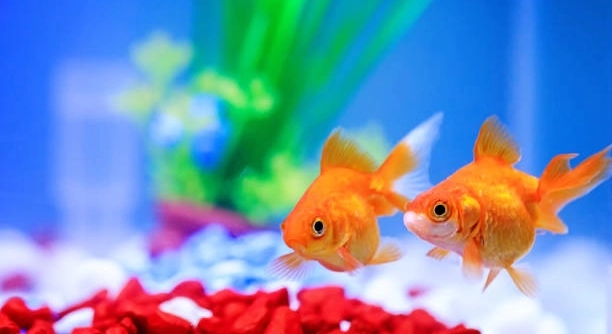
Goldfish are fascinating creatures, and observing their movements can be both entertaining and puzzling. If you’ve noticed your goldfish wiggling its body frequently, you might wonder why this is happening. Understanding your fish’s behavior is key to ensuring its well-being.
The wiggling of a goldfish’s body can be caused by several factors, such as excitement, water conditions, or health issues. It may also indicate stress, poor diet, or parasites. Identifying the cause requires careful observation and timely action to address potential concerns.
There are a few potential causes for your goldfish’s wiggling behavior. In this article, we will go over common explanations and provide helpful tips for understanding and addressing these issues.
1. Excitement and Playful Behavior
Goldfish are naturally active and playful animals. When they are happy or excited, they may wiggle their bodies as a sign of enjoyment. This behavior is often seen during feeding time or when they are interacting with objects in their environment. A healthy goldfish may wag its body as it swims around, exploring its tank. It could also wiggle when it is attracted to a moving object, such as a toy or another fish. This is usually a sign that the goldfish is in a positive state and feeling comfortable.
Goldfish are social creatures and can show excitement through their movements. If they are in a larger tank or aquarium with other fish, they may swim energetically or show increased activity.
It’s important to provide your goldfish with a stimulating environment. This means keeping the water clean, providing hiding places, and offering toys or plants for them to interact with. A varied environment helps reduce stress and can encourage your goldfish to engage in natural behaviors like wiggling, which is perfectly normal. As long as the behavior doesn’t seem excessive or linked to health problems, it’s typically nothing to worry about.
2. Poor Water Conditions
Water quality plays a crucial role in a goldfish’s behavior. When the water in the tank is not clean or balanced, it can cause stress and discomfort. Goldfish are sensitive to changes in water temperature, pH levels, and ammonia levels. Poor water conditions can lead to abnormal movements, such as body wiggling. If your goldfish is constantly wiggling or appears to struggle to swim normally, it may be a sign of poor water quality.
If your goldfish seems to be wiggling more than usual, check the water parameters. Using a water testing kit, make sure the ammonia, nitrite, and nitrate levels are all within the appropriate range. Keep an eye on the water temperature as well, as goldfish thrive in water that is between 65°F and 75°F (18°C to 24°C).
A regular water change routine is essential to keep the environment healthy for your goldfish. Cleaning the tank, replacing the water, and using a reliable filter can help prevent harmful toxins from building up. This also reduces the likelihood of your goldfish experiencing discomfort that might cause excessive wiggling or other unusual behaviors. Always ensure that the water is clear and healthy for your fish to maintain its well-being.
3. Stress and Anxiety
Goldfish can easily become stressed due to changes in their environment or routine. This stress can cause them to wiggle their bodies in an attempt to cope. Sudden changes, like moving the tank or introducing new fish, may cause anxiety, leading to unusual behavior.
To reduce stress, it’s important to keep the tank in a calm, stable setting. Avoid tapping on the glass, sudden loud noises, or placing the tank in a high-traffic area. If you recently changed the setup, give your goldfish time to adjust. Stress-related wiggling will likely decrease once your fish feels more secure in its environment.
You can also observe the way your goldfish interacts with its surroundings. If it seems to be hiding more or avoiding certain areas, stress could be the cause. The more peaceful the environment, the better your goldfish will feel. Over time, the body wiggling should stop if stress is the main issue. Offering a more predictable routine and environment is key to helping your goldfish settle down.
4. Poor Diet
A goldfish’s diet plays an important role in its overall health and behavior. If it’s not getting the right nutrients, it might begin to exhibit strange movements, like wiggling. Malnutrition can cause discomfort, leading to abnormal swimming patterns. Ensure your goldfish is getting a balanced, nutritious diet.
To address this, try offering a variety of foods, including high-quality pellets, fresh vegetables, and occasional treats like bloodworms. The right mix of nutrients will promote healthy growth and prevent digestive issues that may cause discomfort. Always avoid overfeeding as well, as this can lead to bloating and other problems.
Pay attention to your goldfish’s response to food. If it refuses food or seems sluggish after eating, there could be a diet issue. Monitor your goldfish’s behavior closely, and adjust its food intake accordingly. A well-fed, healthy goldfish will swim more naturally without excessive wiggling or other strange movements.
5. Parasites or Infections
Parasites or infections can cause your goldfish to act out of the ordinary. If your fish is wiggling its body excessively, it could be due to the presence of parasites like Ich or Velvet, which affect their skin and gills.
If you suspect a parasitic infection, look for other symptoms such as white spots, discoloration, or irregular swimming. Infected goldfish may also scratch their bodies against tank objects. If the infection is severe, the wiggling will likely be more pronounced as the fish tries to relieve discomfort.
To treat parasites, use an aquarium-safe medication after confirming the specific type of infection. Quarantine any affected fish to prevent it from spreading. Maintaining good water quality is also crucial for preventing future outbreaks. Regular water changes, proper filtration, and keeping the tank clean can help reduce the risk of parasites.
6. Swim Bladder Disease
Swim bladder disease affects a goldfish’s buoyancy, making it difficult for them to control their position in the water. This condition can cause your goldfish to wiggle its body or swim erratically as it tries to maintain balance.
Swim bladder disease is often linked to digestive problems, such as constipation or overfeeding. This can lead to the fish having trouble controlling its movement and maintaining proper buoyancy. It can also result in your goldfish swimming upside down or struggling to stay upright.
Providing a balanced diet and limiting overfeeding can help prevent swim bladder issues. If you notice symptoms of swim bladder disease, fasting your goldfish for a couple of days can help clear out any digestive blockages. Adding peas to its diet, a common remedy, can also relieve constipation.
7. Old Age
As goldfish get older, they may start to move differently. In some cases, older fish may wiggle or swim more slowly due to natural aging processes. It’s not uncommon for senior goldfish to show changes in behavior or movement as they reach the later stages of their life.
With age, your goldfish may experience muscle weakness or a decrease in coordination. This can lead to slower or erratic swimming. It’s important to keep a close eye on any changes and ensure their environment remains comfortable.
While aging is a natural process, maintaining water quality and a proper diet can help keep your fish active and healthy for longer. If the wiggling becomes more pronounced, it’s wise to check for other health issues that may arise with age.
FAQ
Why is my goldfish wiggling its body suddenly?
A sudden body wiggle could indicate a few things. It may be excitement, especially if something in the tank is catching your fish’s attention. Goldfish are curious creatures, so if there’s something new in their environment, they may wiggle as part of their exploration. However, if the wiggling seems excessive, it could also be a sign of stress, poor water quality, or even an underlying health issue. Keeping an eye on other behaviors can help determine whether it’s normal excitement or something more serious.
Can water temperature affect my goldfish’s behavior?
Yes, water temperature plays a huge role in your goldfish’s behavior. Goldfish are cold-water fish and thrive in temperatures between 65°F and 75°F (18°C to 24°C). If the water is too warm or too cold, it can stress your goldfish and lead to abnormal swimming behavior, including wiggling. Sudden changes in temperature can also shock your fish, causing them to swim erratically. Make sure to regularly monitor the tank’s temperature to keep it within the ideal range.
How do I know if my goldfish is stressed?
Goldfish can show several signs of stress, such as erratic swimming, hiding more than usual, or rubbing against tank decorations. Wiggling may also be a sign of anxiety. Other indicators include changes in appetite, rapid gill movement, or clamped fins. If you notice these behaviors, it’s important to check the water quality, ensure there are no new or aggressive tank mates, and reduce any sudden disturbances in their environment.
What should I do if my goldfish is wiggling too much?
If your goldfish is wiggling excessively, the first step is to check the water conditions. Poor water quality is a common cause of abnormal behavior. Test the water for ammonia, nitrites, and nitrates, and make sure it’s within safe ranges. If the water quality is good and the fish is still wiggling, it might be stressed, sick, or suffering from a health issue like parasites. You can consider isolating the fish in a separate tank to monitor its behavior and treat any possible infections.
Is wiggling a sign of illness in goldfish?
Wiggling can be a sign of illness, particularly if the movement is erratic or the fish seems uncoordinated. Conditions like swim bladder disease, parasites, or infections can cause abnormal swimming patterns and wiggling. If the fish is also displaying other symptoms, such as changes in skin color, bumps, or rapid breathing, it’s essential to address the issue promptly. Seeking advice from a vet specializing in fish is always a good option if you’re concerned about the health of your goldfish.
Can overfeeding cause my goldfish to wiggle?
Yes, overfeeding can lead to several health issues in goldfish, including digestive problems. If a goldfish is overfed, it can develop swim bladder disease, which affects buoyancy and can cause wiggling or erratic swimming. Additionally, an overfed fish may suffer from constipation or bloating, making movement difficult. It’s important to feed your goldfish only what it can consume in a few minutes to avoid this problem.
How can I improve my goldfish’s environment?
Improving your goldfish’s environment starts with maintaining clean water. Regular water changes and using an efficient filter are essential. You should also avoid overcrowding the tank, as this can cause stress. Adding plants, rocks, or hiding spots can make your goldfish feel more secure. Keeping the tank in a calm, quiet location also reduces stress factors. Lastly, providing a varied diet that meets nutritional needs will keep your fish healthy and active.
What types of food should I feed my goldfish?
A balanced diet for goldfish includes a mix of high-quality pellets, flakes, and occasional treats. Offer fresh vegetables, such as peas or spinach, to add fiber to their diet. Protein-rich foods like bloodworms or brine shrimp can be fed occasionally. Make sure to avoid overfeeding, as excess food can lead to bloating and other health problems. Providing variety ensures your goldfish gets all the nutrients it needs.
Can goldfish wiggle from old age?
Yes, older goldfish can exhibit changes in behavior, including wiggling or swimming slower. As they age, goldfish may lose some coordination or develop weaker muscles, which can affect how they swim. This is a natural part of the aging process. To help your older goldfish, ensure its tank is free of obstacles and the water quality is optimal. Regular feeding and maintaining a peaceful environment will also help improve their quality of life.
Why is my goldfish wiggling its body when it’s alone?
Wiggling on its own can be a sign that your goldfish is simply exploring its environment. Goldfish are naturally curious, and they often wiggle their bodies when they discover something new or interesting. However, if the behavior is persistent or accompanied by other signs of distress, it could indicate a health issue or stress. Keep the tank environment calm and stable, and avoid any sudden changes that may cause anxiety for your goldfish.
Can parasites cause my goldfish to swim in circles or wiggle?
Yes, certain types of parasites, such as Ich or Velvet, can cause a goldfish to swim in circles or wiggle. These parasites affect the skin and gills, leading to discomfort and abnormal behavior. A goldfish with a parasite infestation may also rub its body against tank objects, appear lethargic, or have visible spots on its skin. If you suspect a parasite infection, treat the tank with an appropriate medication and improve the water conditions to reduce the risk of further contamination.
Final Thoughts
Goldfish are fascinating and relatively low-maintenance pets, but like any living creature, they can experience behavior changes that can raise concerns. If your goldfish is wiggling its body, it’s important to observe the situation carefully. In many cases, the wiggling could be a natural behavior, especially if your fish is excited, exploring its surroundings, or just enjoying the tank environment. It’s perfectly normal for goldfish to exhibit these movements, especially during feeding time or when interacting with objects in the water. This behavior can also occur when they are in a calm, familiar setting, enjoying their space and routine.
However, if the wiggling becomes excessive or is accompanied by other signs of distress, it could indicate a problem. Water quality issues, stress, poor diet, or health conditions like parasites or swim bladder disease can all cause abnormal movement in goldfish. Ensuring your goldfish is in a clean, safe environment is crucial for its well-being. Regular water changes, proper filtration, and maintaining appropriate water temperature are the first steps to avoid many of these issues. Goldfish are sensitive to changes in their surroundings, so maintaining a stable environment will go a long way in keeping them healthy and happy.
Lastly, if you’ve tried improving the water conditions, diet, and overall environment and your goldfish continues to wiggle excessively or displays other signs of illness, it may be time to seek professional help. A vet who specializes in fish can provide valuable guidance and treatments for parasites or diseases that might be causing your goldfish to act unusually. By staying attentive and responding quickly to any changes, you can ensure that your goldfish remains a healthy and lively companion for many years.

Hello,
If you enjoy the content that we create, please consider saying a "Thank You!" by leaving a tip.
Every little bit helps us continue crafting quality advice that supports the health, happiness, and well-being of pets around the world, for pets of all shapes, sizes, and species.
We really appreciate the kindness and support that you show us!