
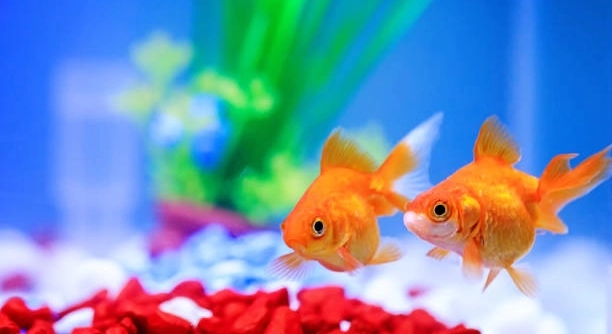
Goldfish are fascinating creatures, and when they start sitting in the corner of the tank, it can be concerning. Understanding why they exhibit this behavior can help you provide the best care for your aquatic companion.
Goldfish may sit in the corner of the tank for various reasons, including stress, poor water quality, illness, or lack of stimulation. It is essential to observe your fish closely to identify any underlying issues that could be affecting their health.
There are several factors that could explain your goldfish’s behavior. Identifying the cause is crucial to ensuring a healthier and more comfortable environment for your pet.
Stress and Anxiety
Goldfish can be sensitive to changes in their environment. Stress factors, such as sudden changes in water temperature, new tank mates, or loud noises, can cause your goldfish to seek comfort in a corner. When stressed, they may try to find a secure spot where they feel safe. This behavior is not unusual and can be easily addressed by stabilizing their environment. It’s important to monitor water conditions, ensure that the tank is not overcrowded, and limit disruptions around the tank. Stress can lead to long-term health problems, so it’s crucial to address any changes that might be affecting your fish.
A peaceful tank environment will help reduce stress levels and make your goldfish feel more at ease. Small changes, such as moving the tank to a quieter area or adding hiding spots, may encourage your fish to explore rather than retreat to a corner.
Creating a more stable environment with fewer disturbances is key. Avoid sudden changes and keep their habitat calm. It may take time, but your goldfish should start to feel more comfortable with these improvements.
Poor Water Quality
Goldfish need clean, oxygen-rich water to thrive. When water quality declines, they often display signs of discomfort, like sitting in a corner. Poor water conditions, such as high ammonia levels or low oxygen, can cause stress and even lead to illness. Regular water changes and proper filtration are essential to keep the tank clean and healthy.
Test the water regularly to check for harmful chemicals or imbalances. Ammonia, nitrites, and nitrates should be at safe levels for your fish. A water conditioner can help neutralize harmful substances, while proper filtration ensures that the water stays clear.
If the water isn’t maintained well, your goldfish will feel vulnerable and seek a corner for comfort. Make sure the filtration system is appropriate for the size of the tank, and always change the water when it’s needed. Clean water can greatly reduce the chances of your goldfish exhibiting corner-sitting behavior.
Illness or Injury
If your goldfish is sitting in a corner for extended periods, it could be a sign of illness or injury. Common symptoms of illness include a loss of appetite, difficulty swimming, or abnormal behavior. Injury can result from rough play with tank mates or accidents in the tank.
Observe your goldfish closely to identify any changes in behavior, appetite, or physical appearance. If you notice clamped fins, bloating, or visible wounds, this may indicate a health issue that needs attention. A veterinarian experienced in aquatic animals can help diagnose and treat any underlying conditions.
Treatment depends on the condition your goldfish is facing, so it’s important to address it promptly. Keep the tank clean to avoid further stress on the fish, and consider separating injured or sick fish from others to prevent any potential spreading of illness.
Lack of Stimulation
Goldfish are curious creatures, and without enough stimulation, they may become bored and start to sit in a corner. Lack of toys, plants, or interesting structures in the tank can lead to this behavior. Adding decorations, plants, or other objects can provide mental stimulation.
Ensure that your goldfish has enough space to explore and interact with different elements in the tank. A more enriched environment helps keep your fish engaged and can prevent them from retreating to the corner. Regularly changing the tank layout can also provide new challenges and keep your goldfish active.
Overcrowding
Overcrowding can make your goldfish feel cramped and stressed. Too many fish in a small tank can lead to a lack of personal space, resulting in anxiety and corner-sitting behavior. Always consider the tank’s size and the number of fish living in it.
Goldfish require a spacious environment to swim freely. If you notice your fish constantly retreating to a corner, consider moving some fish to a different tank or upgrading to a larger one. A more spacious tank will help alleviate stress and reduce the chances of unwanted behaviors.
Water Temperature
Goldfish are sensitive to temperature changes. A tank that is too hot or too cold can cause discomfort, and your goldfish may move to the corner to stay out of the current or avoid temperature extremes. It’s essential to maintain a stable water temperature between 65°F and 75°F.
FAQ
Why is my goldfish sitting at the bottom of the tank?
If your goldfish is sitting at the bottom of the tank, it could be due to poor water quality or an illness. Check for high ammonia or nitrate levels, which can cause stress. Make sure your filtration system is working correctly and test the water regularly. If the water quality is fine, the fish may be sick or stressed. If this behavior continues, consult a vet experienced with aquatic life to rule out any health issues.
Why does my goldfish keep swimming in circles?
Swimming in circles could be a sign of stress or neurological issues. In some cases, goldfish may swim in circles due to the lack of space, inadequate water quality, or even genetic factors. Check the water temperature, filtration, and make sure the tank is large enough for your fish. If the behavior persists, there may be an underlying health concern that requires professional attention.
Is it normal for goldfish to stay in one spot?
Goldfish may stay in one spot if they are feeling stressed, sick, or if their environment isn’t stimulating enough. They often seek quiet corners when stressed or when the water conditions are poor. Adding plants or decorations to the tank can help reduce this behavior, as can maintaining stable water conditions.
How can I make my goldfish more active?
Goldfish can be more active if their environment is enriched. Try adding new plants, hiding spots, or safe decorations to provide mental stimulation. Vary the tank layout periodically to keep things interesting. Make sure they have enough space to swim freely, and try feeding them different foods that encourage natural foraging behavior. Regular water changes are also crucial for maintaining a healthy, active fish.
Can goldfish get bored?
Yes, goldfish can get bored, especially if they are kept in a tank with little to no stimulation. Boredom can lead to inactive behavior, such as sitting in a corner. To avoid this, try adding more plants, ornaments, or even a tank mate. Frequent changes to their environment and more interactive objects can keep them entertained.
How do I know if my goldfish is sick?
Sick goldfish often show signs such as loss of appetite, abnormal swimming patterns, clamped fins, or visible injuries. If your goldfish is hiding in the corner or not swimming normally, it could be a sign of illness. Check for any external symptoms like white spots, bloating, or discoloration. If you notice any changes, consult a vet for further examination.
Why does my goldfish keep swimming upside down?
If your goldfish is swimming upside down or struggling to stay upright, this could indicate a problem with their swim bladder. The swim bladder helps fish control their buoyancy, and issues with it can cause abnormal swimming behavior. This problem can be caused by overfeeding, water temperature changes, or infections. If the issue continues, a vet may need to diagnose the condition.
Can goldfish live with other fish?
Goldfish can live with other fish, but they need to be compatible. Avoid placing them with aggressive or small fish that might be seen as prey. Goldfish do well with species that have similar water temperature and quality needs. Make sure the tank is large enough to accommodate all the fish comfortably.
Why is my goldfish rubbing against objects in the tank?
If your goldfish is rubbing against rocks, decorations, or the tank’s walls, it could be suffering from skin irritation caused by parasites or a bacterial infection. This behavior, known as “flashing,” is often a sign that something is wrong with the fish’s skin or gills. Check the water for toxins and consult a vet if the behavior persists.
How can I tell if my goldfish is stressed?
Signs of stress in goldfish can include erratic swimming, staying in one spot, excessive hiding, loss of appetite, or rubbing against objects. Stress can be caused by poor water quality, changes in temperature, or a lack of space. Try to stabilize their environment by improving water conditions and reducing tank disturbances.
Can I use a heater for my goldfish tank?
Goldfish generally do well in temperatures between 65°F and 75°F, so a heater can be useful if you live in a cold environment. However, make sure the water temperature remains stable and not too hot. A heater should be used cautiously, as goldfish are more sensitive to high temperatures than other fish species.
Why does my goldfish keep blowing bubbles?
Blowing bubbles is a normal behavior for goldfish, especially when they are feeding or interacting with the surface of the water. However, if this behavior becomes excessive, it could be a sign of stress or a problem with the water’s oxygen levels. Ensure the tank is well-aerated and the water quality is optimal.
How often should I change my goldfish’s water?
Water changes should be done regularly to maintain a healthy environment for your goldfish. A good rule of thumb is to change 25% of the water every 1-2 weeks. If your tank has more fish or a smaller size, you may need to change the water more frequently. Always test the water before making changes to ensure the fish are in the best possible conditions.
Final Thoughts
Understanding why your goldfish keeps sitting in the corner can help ensure it leads a healthy and happy life. There are many potential reasons for this behavior, from poor water quality to stress or illness. By carefully observing your goldfish and checking its environment, you can often pinpoint the cause of the issue. Providing a clean, stable, and enriching environment can go a long way in preventing this behavior.
Proper tank maintenance is essential for the well-being of your goldfish. Regular water changes, proper filtration, and testing for harmful chemicals can make a big difference. Additionally, ensuring that your goldfish has enough space to swim and explore can prevent boredom and stress. A tank that is too small or overcrowded will likely lead to unwanted behaviors, including hiding in corners. Goldfish also thrive when they are given objects to interact with, such as plants or decorations. These additions help stimulate their natural curiosity and can prevent them from becoming lethargic or anxious.
If you notice your goldfish sitting in the corner despite maintaining proper tank conditions, it may be worth consulting with a vet. Illness or injury can also cause this behavior, and seeking professional advice is important. Overall, keeping a watchful eye on your goldfish’s behavior, making necessary adjustments to its environment, and addressing potential health concerns will ensure that it lives a long and fulfilling life.

Hello,
If you enjoy the content that we create, please consider saying a "Thank You!" by leaving a tip.
Every little bit helps us continue crafting quality advice that supports the health, happiness, and well-being of pets around the world, for pets of all shapes, sizes, and species.
We really appreciate the kindness and support that you show us!