
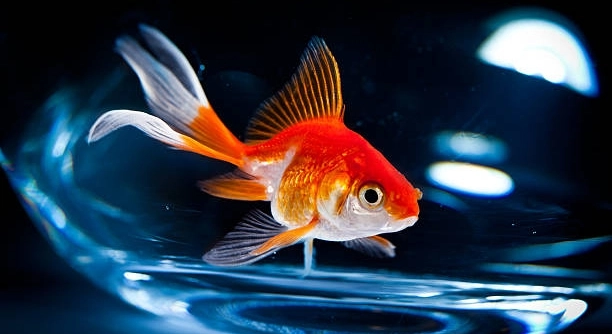
Goldfish are fascinating creatures, and watching them swim around can be quite calming. However, it can be concerning when you notice your goldfish constantly opening and closing its mouth. This behavior can be puzzling.
Goldfish often open and close their mouths to breathe or regulate their gills. However, persistent or abnormal mouth movements may indicate stress, disease, or water quality issues. It’s essential to monitor the situation carefully for any signs of distress.
Several factors could be at play when your goldfish exhibits this behavior. Understanding the causes will help you take the right steps to ensure your goldfish stays healthy and comfortable in its environment.
Normal Breathing Behavior in Goldfish
Goldfish, like other fish, use their mouths to breathe. They draw water into their mouths, and it passes over their gills where oxygen is absorbed. This process often causes them to open and close their mouths regularly, which is perfectly normal. It’s a natural reflex that allows them to get the oxygen they need to survive. In fact, this movement is a healthy sign that your goldfish is actively swimming and maintaining a steady flow of water through its gills.
While this behavior can seem odd, it’s essential for their survival. Goldfish, being cold-blooded creatures, need a constant flow of oxygen to stay healthy. Without it, they could become weak or even die. The regular opening and closing of their mouth helps to ensure that they get enough air.
If your goldfish only opens and closes its mouth occasionally and in a steady rhythm, it is likely just a part of its natural breathing process. It’s important to observe the pattern and behavior closely to see if anything changes. If your fish seems otherwise healthy, there is no need to worry.
Stress or Anxiety in Goldfish
Goldfish can experience stress, just like any other pet. Stress can cause them to exhibit unusual behaviors, including frequent opening and closing of their mouth. A sudden change in the environment, like new tank mates or a shift in water temperature, can trigger this response.
Stress can also result from poor water conditions. If the tank is overcrowded, the water is too dirty, or the temperature fluctuates, your goldfish may feel unsafe. They may respond by constantly opening and closing their mouths as a sign of discomfort or an attempt to breathe more efficiently. Goldfish are sensitive to changes in their environment, and even small disturbances can cause them to react this way.
If you suspect that stress is the cause, try to create a calm, stable environment for your goldfish. Regular water changes, proper tank filtration, and keeping the water temperature consistent can help reduce stress. Additionally, ensure that the tank is not overcrowded and that your fish are not competing for space. By eliminating stress factors, you may notice your goldfish breathing more calmly.
Health Problems and Illnesses
Health problems can cause goldfish to open and close their mouths more than usual. Diseases or infections affecting the gills or mouth area can make it harder for them to breathe normally. If you notice that your goldfish is not just breathing but also showing signs of distress, such as gasping at the surface, it may be time to check for illness.
Parasites, such as gill flukes, can cause irritation to the gills and lead to difficulty breathing. Infections or fungal growths on the gills or inside the mouth can also make breathing painful and irregular. If your goldfish is suffering from any of these health problems, it may open and close its mouth in an attempt to get more oxygen or to relieve discomfort.
Another common issue is swim bladder disease, which can cause your fish to struggle with buoyancy. This can make it more difficult for your fish to swim properly, causing it to breathe heavily and open its mouth more. If you suspect a health issue, it is important to take quick action by researching the symptoms or consulting a vet who specializes in fish. Early treatment can help prevent more serious health problems.
Poor Water Quality
Goldfish are sensitive to their environment, and poor water quality can lead to various health problems, including abnormal mouth movements. Dirty or polluted water can lead to a buildup of toxins, which can irritate your goldfish’s gills.
A high level of ammonia, nitrites, or nitrates can make it harder for goldfish to breathe properly. If your fish is constantly opening and closing its mouth, this could be a sign that the water quality is low. Inadequate filtration, overfeeding, and not changing the water regularly are common causes of poor water quality.
To fix this issue, make sure to maintain the water in your goldfish tank. Perform regular water changes to keep the environment clean and monitor water parameters using a testing kit. Keeping the water clean not only helps your goldfish breathe easier but also promotes its overall well-being. If the water quality improves, you may see a decrease in your fish’s abnormal behavior.
Poor Diet and Overfeeding
An improper diet can affect your goldfish’s health and lead to unusual mouth movements. Overfeeding can cause digestive issues, and the excess food can pollute the water, further affecting water quality.
Goldfish are not built to handle too much food at once. Overfeeding can lead to bloating, constipation, and difficulty swimming. If they are struggling to digest food, they may open and close their mouths more frequently, trying to relieve discomfort. Excessive food in the tank can also affect water conditions, contributing to poor oxygen levels, making it harder for them to breathe.
To avoid overfeeding, provide small amounts of food that your goldfish can consume within a few minutes. Adjust the feeding schedule depending on your fish’s appetite. If you notice food leftover in the tank, reduce the portion sizes. A balanced diet and proper portion control will help maintain both your fish’s health and the tank’s water quality.
Tank Size and Space Issues
Goldfish need enough space to swim freely. If they are confined to a small tank, they may become stressed and exhibit abnormal behavior, including frequent mouth movements.
When goldfish feel cramped, they may start to breathe more heavily. Smaller tanks tend to have poor filtration, which means oxygen levels can drop quickly. In tight spaces, goldfish often struggle to find enough oxygen, leading to constant mouth movements as they try to breathe. Additionally, they may become stressed from not having enough room to explore, which can also impact their health.
A larger tank will provide more swimming space and improve water quality. Goldfish generally need a minimum of 20 gallons of water per fish. Ensure that your tank has a proper filtration system to maintain good water conditions. With enough space and proper filtration, your goldfish will have a more comfortable environment and show fewer signs of stress.
Water Temperature
Goldfish are sensitive to changes in water temperature, and sudden shifts can cause them to breathe differently. They may start opening and closing their mouths in response to discomfort or poor oxygen intake.
Goldfish thrive in water temperatures between 65°F and 75°F (18°C-24°C). If the temperature rises too high or falls too low, it can stress the fish and make it harder for them to breathe. Ensure that the tank is kept within the ideal temperature range using a reliable aquarium heater and thermometer. Avoid placing the tank in areas where temperature fluctuations are common.
Tank Cleanliness
A clean tank is vital for your goldfish’s health. If the tank isn’t regularly cleaned, waste can build up, creating harmful toxins in the water.
Dirty water leads to poor oxygen levels, which can cause goldfish to open and close their mouths more frequently. Algae, uneaten food, and fish waste contribute to water pollution, leading to stress and breathing problems. To keep the tank clean, perform routine water changes and use a filter that can handle the tank size. Regular maintenance prevents the build-up of harmful substances and ensures a healthier environment for your goldfish.
Breathing Patterns and Signs of Illness
It’s important to monitor your goldfish’s breathing patterns. If your goldfish is opening and closing its mouth rapidly or gasping for air at the water’s surface, it could indicate an underlying health problem.
This kind of abnormal breathing can be a sign of a respiratory infection or gill damage. If you notice these behaviors along with other symptoms like lethargy, loss of appetite, or discoloration, it’s essential to act quickly. A vet specializing in fish can help identify the cause and recommend the proper treatment to prevent further issues.
FAQ
Why is my goldfish constantly opening and closing its mouth?
Goldfish naturally open and close their mouths as part of their breathing process. However, if this behavior seems excessive or abnormal, it could be a sign of stress, poor water quality, or health problems. When a goldfish struggles with oxygen levels due to dirty water, high temperatures, or overcrowded tanks, it may increase mouth movements to get more air. Always check the water conditions and ensure that the tank is clean, the temperature is stable, and the fish have enough space.
How can I tell if my goldfish is stressed?
Stressed goldfish often display signs like erratic swimming, hiding, rubbing against tank objects, or frequent mouth movements. Changes in the environment, such as new tankmates, water temperature shifts, or loud noises, can cause stress. If your fish is stressed, consider making changes like adding hiding spots, improving water quality, and reducing noise levels around the tank. Sometimes, simply reducing overcrowding or adding more plants can help alleviate stress.
Can poor water quality cause my goldfish to open its mouth?
Yes, poor water quality is a common cause of mouth-opening behavior in goldfish. If the water is polluted with toxins like ammonia or nitrates, your goldfish may struggle to breathe, causing it to open its mouth more often. Regular water testing and maintenance, such as water changes and using a proper filtration system, will help keep your goldfish’s environment healthy and prevent these issues.
What are the signs that my goldfish is sick?
Sick goldfish can display several signs, including labored breathing, loss of appetite, abnormal swimming patterns, swelling, discoloration, or visible lesions. If your goldfish is constantly opening and closing its mouth and showing other symptoms like lethargy or poor swimming, it’s important to investigate further. Check water quality and seek veterinary advice if needed.
How do I know if my goldfish is having trouble breathing?
If your goldfish is frequently opening and closing its mouth, gasping for air at the water’s surface, or swimming near the top of the tank, these could be signs of breathing difficulty. When combined with other symptoms like lethargy, abnormal swimming, or discoloration, it’s best to test the water quality and possibly seek medical help to address potential health issues.
Is it normal for my goldfish to breathe fast sometimes?
Goldfish can sometimes breathe more quickly due to stress, changes in water conditions, or during periods of physical exertion. If the rapid breathing occurs only occasionally and isn’t accompanied by other signs of distress, it’s generally not a cause for concern. However, if this fast breathing becomes frequent or is accompanied by other worrying symptoms, it could indicate a problem with water quality or the fish’s health.
How can I fix bad water quality in my goldfish tank?
To improve water quality, start by doing a partial water change. Remove about 20-30% of the water, clean the tank decorations, and vacuum the substrate to remove waste. Ensure the filter is functioning properly and can handle the tank’s size. Test the water for ammonia, nitrites, nitrates, and pH levels to identify any imbalances. A good filtration system, regular water changes, and avoiding overfeeding will help maintain clean water for your goldfish.
Can temperature changes cause my goldfish to open its mouth?
Yes, sudden temperature fluctuations can cause your goldfish to open and close its mouth more often. Goldfish are sensitive to temperature changes, and water that is too hot or too cold can stress them, making it harder for them to breathe. Make sure to maintain a stable water temperature between 65°F and 75°F (18°C-24°C) and avoid placing the tank in areas where drafts or heat sources may cause temperature swings.
Is my goldfish sick if it’s always at the top of the tank opening its mouth?
A goldfish staying near the top of the tank with its mouth constantly open could be a sign of oxygen deprivation. If the water quality is poor or the oxygen levels are low, your goldfish may struggle to get enough air and stay close to the surface. This behavior, combined with labored breathing, could signal a health issue. Check the water quality and consider improving the tank’s aeration or filtration system.
Why does my goldfish act different after a water change?
Goldfish may act differently after a water change due to changes in water parameters, such as pH, temperature, or hardness. If the water isn’t properly conditioned or if there’s a sudden temperature change, your goldfish might show signs of stress, including opening and closing its mouth more frequently. To avoid this, make sure the new water matches the tank’s conditions and perform water changes gradually. Always dechlorinate tap water before adding it to the tank.
How often should I check the water quality for my goldfish?
It’s essential to check your goldfish tank’s water quality regularly, at least once a week. Use an aquarium testing kit to check for ammonia, nitrites, and nitrates, as well as the pH and water temperature. Regular testing helps identify any issues early before they affect your fish’s health.
Final Thoughts
Understanding why your goldfish keeps opening and closing its mouth is crucial for ensuring its health and well-being. While it’s normal for goldfish to open their mouths as part of their breathing process, excessive or irregular mouth movements can signal problems. It’s essential to pay attention to their behavior and environment. Whether it’s stress, poor water quality, illness, or other factors, identifying the root cause can help you address the issue effectively. Regular monitoring of your goldfish’s behavior and the condition of the tank will ensure they stay comfortable and healthy.
Maintaining a clean and stable environment is one of the most important things you can do for your goldfish. Regular water changes, checking water quality, and making sure the tank isn’t overcrowded are key to preventing stress and illness. Goldfish thrive in clean water, and any sudden changes in water conditions can make them more vulnerable to diseases or breathing problems. Ensuring the right water temperature, good filtration, and proper tank size are all factors that contribute to a healthy goldfish environment. Taking these steps can prevent the opening and closing of the mouth due to discomfort or environmental factors.
If you notice any unusual behavior, like constant mouth opening, gasping for air, or difficulty swimming, it’s essential to investigate further. Sometimes, it’s simply a sign of stress or a temporary issue, but it could also point to more serious problems like respiratory infections or gill damage. In those cases, seeking help from a vet who specializes in fish is a good idea. With proper care, attention to detail, and a healthy tank environment, your goldfish will have a better chance at living a long, happy life.

Hello,
If you enjoy the content that we create, please consider saying a "Thank You!" by leaving a tip.
Every little bit helps us continue crafting quality advice that supports the health, happiness, and well-being of pets around the world, for pets of all shapes, sizes, and species.
We really appreciate the kindness and support that you show us!