
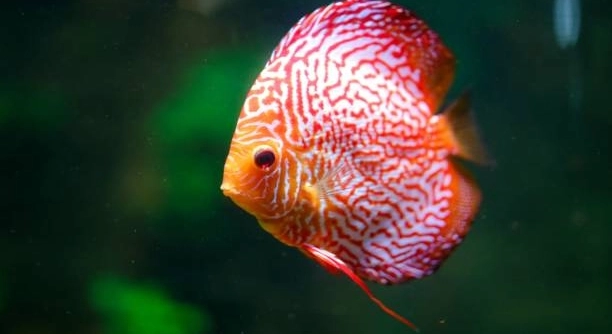
Do you have a discus fish that keeps scratching itself against objects in the tank? This behavior can be worrying for many aquarium owners who want to keep their fish healthy and comfortable. Understanding why this happens is important for proper care.
Discus fish often scratch due to parasites, poor water quality, infections, stress, or injury. Identifying the exact cause requires examining tank conditions, behavior, and health to apply the correct treatment and prevent further harm.
Knowing the reasons behind this behavior helps you take better care of your discus and avoid serious health problems. There are several common causes that every owner should be aware of.
Parasites and External Infections
Parasites are a common cause of scratching behavior in discus fish. Tiny external parasites, like ich or flukes, attach to the fish’s skin and irritate it. This makes the fish rub against tank surfaces to try to remove the discomfort. These parasites can be hard to spot at first but often appear as small white spots or tiny moving dots on the fish. If left untreated, infections can develop, making the situation worse. It’s important to regularly check your discus for signs of parasites and keep the tank clean. Quarantining new fish before adding them to the main tank helps prevent spreading parasites. Using appropriate treatments, such as medicated baths or parasite-specific medications, can effectively remove these pests and stop the scratching. Early detection and treatment are key to keeping your discus comfortable and healthy.
Parasites cause irritation that leads discus fish to scratch frequently. Proper tank hygiene and timely medication are essential to control this issue.
Watching for changes in your fish’s behavior and appearance can help you catch parasite problems early. Maintaining clean water and avoiding overcrowding also reduce the risk. If you notice scratching along with spots or redness, act quickly. Treatments are available but should be chosen carefully to avoid harming your fish or tank environment. It is best to follow dosing instructions closely and monitor your discus’s response. Preventing parasites by quarantining new fish and using a good filtration system will help keep your discus calm and scratching-free.
Poor Water Quality
Poor water quality is another major reason discus fish scratch themselves. If the water contains high levels of ammonia, nitrites, or nitrates, it irritates the fish’s skin and gills. This discomfort leads to scratching or rubbing behaviors. Dirty water can also encourage bacterial or fungal infections that worsen the problem. Regular water testing and changes are critical to maintain a safe environment for discus fish. Keeping the tank clean and ensuring good filtration will prevent harmful buildup of waste. Sometimes, water parameters like pH or temperature being off can stress the fish, causing scratching as well. Monitoring these factors closely will help reduce the risk of skin irritation and disease.
Clean water is vital for discus health and helps stop scratching caused by irritation and infection.
Maintaining stable, high-quality water conditions is one of the easiest ways to protect your discus from scratching problems. Ammonia and nitrites should always be kept at zero, while nitrates remain low. Frequent partial water changes, usually 25–50% weekly, keep the environment healthy. A well-functioning filter and proper tank cycling before adding fish prevent sudden water quality drops. Avoid overfeeding because uneaten food breaks down and pollutes the water. Stress from poor water quality weakens the discus’s immune system, making it more prone to infections and parasites. Using test kits regularly to check water parameters lets you act quickly if levels become unsafe. Providing a clean and balanced habitat reduces irritation, keeps the fish comfortable, and stops the scratching behavior.
Stress and Overcrowding
Stress is a common cause of scratching in discus fish. Overcrowding or aggressive tank mates can make your fish uncomfortable and lead to rubbing behaviors.
Stress weakens the immune system and causes physical irritation. Discus fish need plenty of space and calm surroundings to stay healthy. Overcrowded tanks increase competition for food and hiding spots, causing tension. Aggressive fish can chase or nip at discus, which leads to scratching and injury. Reducing the number of fish or separating aggressive species helps ease stress. Providing plants and decorations for hiding can also make the fish feel safer. A calm environment encourages natural behavior and reduces skin irritation.
Proper tank size and compatible fish choices are crucial for reducing stress. Keeping water conditions stable further helps discus feel secure. When stress is lowered, scratching usually decreases, promoting better health.
Physical Injury and Tank Decor
Sharp or rough decorations can cause physical injury, leading discus to scratch themselves. Avoid decorations with sharp edges that can harm delicate skin.
Injuries from decor create open wounds or irritate the skin, causing your discus to rub against surfaces to soothe discomfort. Soft, smooth decorations and plants are safer options. Injuries may become infected if not treated promptly, worsening scratching behavior. Carefully inspect your tank decorations to remove or replace anything that could hurt your fish. Keeping the tank layout simple and safe helps discus swim freely without risk. Healing injuries quickly with clean water and proper treatment reduces prolonged scratching and discomfort.
Poor Nutrition
Poor nutrition can weaken discus fish, making their skin more sensitive and prone to irritation. A balanced diet supports healthy skin and immune function.
Feeding low-quality or inappropriate food may cause deficiencies that lead to scratching and other health problems.
Fungal and Bacterial Infections
Fungal and bacterial infections often develop from poor water quality or injuries. These infections irritate the skin, causing discus to scratch frequently. They can appear as white, cottony patches or red, inflamed areas on the fish. Treating infections early with appropriate medication and improving water conditions is crucial to stop the scratching and promote healing. Maintaining good tank hygiene helps prevent infections from taking hold in the first place.
Temperature Stress
Temperature fluctuations or unsuitable water temperatures can stress discus fish, causing them to scratch. Stable, species-appropriate water temperatures are necessary for their comfort and health.
Why does my discus fish keep scratching itself?
Discus fish scratch themselves mainly because of irritation caused by parasites, infections, or poor water quality. Other reasons include stress, injuries from sharp tank decorations, or unsuitable water temperature. These conditions make their skin uncomfortable, leading them to rub against surfaces in the tank.
Can poor water quality cause my discus to scratch?
Yes, poor water quality is a major reason discus fish scratch. High ammonia, nitrite, or nitrate levels irritate their skin and gills, leading to discomfort and rubbing behavior. Maintaining clean water with regular changes and good filtration is essential to prevent this problem.
How can I tell if my discus has parasites?
Look for small white spots, tiny moving dots, or redness on your discus’s skin. Parasites like ich or flukes cause irritation that makes fish scratch. If you see these signs along with scratching, a parasite infestation might be the cause.
What should I do if my discus fish is scratching due to parasites?
Treat the tank with appropriate parasite medication after confirming the type of parasite. Quarantine new fish before adding them to your main tank to avoid spreading parasites. Keep the tank clean and monitor your fish’s behavior during treatment.
Could stress be making my discus fish scratch?
Yes, stress from overcrowding, aggressive tank mates, or sudden changes in the environment weakens discus immune systems and causes skin irritation. Providing enough space, compatible fish, and a calm environment helps reduce stress-related scratching.
Is scratching always a sign of illness in discus fish?
Not always. Sometimes scratching is a response to minor irritation like rough tank decorations or slight changes in water temperature. However, frequent or intense scratching usually points to an underlying health issue that needs attention.
How can I improve the diet to reduce scratching?
Feeding your discus a balanced diet rich in vitamins and nutrients strengthens their skin and immune system. High-quality flakes, pellets, frozen or live foods like bloodworms and brine shrimp support healthy skin and reduce susceptibility to irritation.
Can injuries from tank decorations cause scratching?
Yes, sharp or rough decorations can injure discus fish, leading them to rub against surfaces to ease discomfort. Use smooth decorations and avoid overcrowding the tank to prevent accidental damage and reduce scratching.
How important is temperature control for discus fish?
Very important. Sudden temperature changes or water that is too cold or hot can stress discus fish and cause them to scratch. Keep the water temperature stable between 82°F and 86°F to ensure comfort and reduce skin irritation.
When should I see a vet or specialist?
If scratching continues despite improving water quality, diet, and tank conditions, or if you notice worsening symptoms like wounds, lethargy, or loss of appetite, consult a vet or aquatic specialist for proper diagnosis and treatment advice.
When your discus fish starts scratching, it is a sign that something is not quite right in its environment or health. There can be many reasons for this behavior, from parasites and infections to stress or poor water quality. Each cause affects your fish differently, but they all lead to discomfort. It is important to observe your fish carefully and check the tank conditions regularly. Taking these steps early can help prevent serious problems and keep your discus healthy.
Maintaining clean water is one of the best ways to reduce scratching. Frequent water changes, proper filtration, and testing water parameters like ammonia and nitrites create a safe home for your fish. Stress from overcrowding or aggressive tank mates can also make scratching worse. Giving your discus enough space and choosing peaceful fish to live with will help lower stress levels. Also, make sure to feed a balanced diet to support your fish’s immune system and overall health.
If scratching continues despite these efforts, it may mean your discus needs treatment for parasites, infections, or injuries. Using the right medication and carefully following instructions can stop the problem and help your fish heal. Always be patient and watch for signs of improvement. Remember, keeping discus fish comfortable and healthy takes attention to detail and regular care. With time and effort, you can create a safe environment where your discus feels good and stops scratching.

Hello,
If you enjoy the content that we create, please consider saying a "Thank You!" by leaving a tip.
Every little bit helps us continue crafting quality advice that supports the health, happiness, and well-being of pets around the world, for pets of all shapes, sizes, and species.
We really appreciate the kindness and support that you show us!