
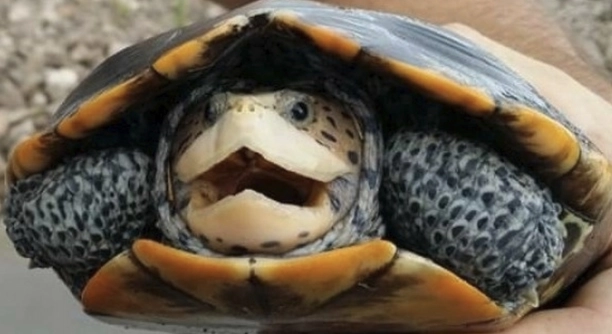
Do you find your Diamondback Terrapin hiding during the day, even though it’s supposed to be active?
The main reason your Diamondback Terrapin hides during the day is due to its natural behavior. These turtles are typically more active at dawn or dusk and prefer to rest in quiet spots during daylight hours.
Understanding why your terrapin hides can help you adjust its environment and care routine. Keeping its habitat well-lit and stress-free is key to supporting its natural behavior.
Natural Behavior and Activity Cycle
Diamondback Terrapins are naturally more active during the early morning or late evening hours. This is when they typically search for food and explore their surroundings. In the wild, they are most active during the cooler parts of the day, avoiding the midday sun. This behavior is rooted in their evolutionary need to stay safe from predators and conserve energy in the heat of the day. In captivity, the terrapin’s instinct to rest during daylight hours remains strong, and it may hide to feel secure and protect itself from perceived threats.
These turtles are crepuscular, meaning they are active during dawn and dusk, not during midday.
Creating a comfortable environment that mirrors these natural conditions can help your terrapin feel more secure. Make sure your terrapin has a place to retreat, like a submerged hiding spot or a shaded area in its enclosure. A proper basking spot that gives it the option to escape the heat also helps. If your terrapin feels too exposed or stressed, it may hide even more, so consider its need for both rest and activity spaces. Stress and discomfort from inappropriate tank temperatures or lighting can also make them more prone to hiding. Adjusting the enclosure setup might lead to a more balanced and active terrapin.
Environmental Factors That Influence Hiding
Your terrapin’s habitat plays a large role in its daytime hiding.
Temperature and light can impact how much time your terrapin spends out in the open. If the tank is too warm or poorly lit, it may cause your terrapin to seek shelter.
The enclosure’s temperature should mimic natural conditions, giving your terrapin the chance to thermoregulate. If the basking area is too hot or the water temperature is too cold, the terrapin may retreat to a shaded, cooler space. Ensuring that the water temperature stays within the recommended range (75-80°F) and the basking spot is between 85-90°F can help create a more comfortable environment. Furthermore, proper UVB lighting is essential. It helps terrapins metabolize calcium and maintain overall health. Without adequate UVB exposure, they may become lethargic, hiding even more often. By adjusting temperature and lighting, you can reduce stress and encourage your terrapin to be more active during the day.
Stress and Anxiety
Terrapins can become stressed by changes in their environment.
When there are sudden shifts in their habitat, like new tank mates or noisy surroundings, terrapins might hide to feel safe. Stress can also occur from improper handling or overexposure to light. If they sense any potential threats, even in a tank, they may retreat to a hidden spot.
It’s essential to minimize stress by maintaining a calm and stable environment for your terrapin. Avoid sudden changes in the tank setup or introducing unfamiliar animals unless necessary. Ensuring that your terrapin has a peaceful, low-stress environment helps it feel secure enough to explore its space without constantly hiding.
Health Issues
Health problems can cause your terrapin to hide more frequently.
If your terrapin is feeling unwell, it may choose to stay hidden to avoid interaction. Illnesses such as respiratory infections, parasites, or shell problems can lead to hiding behavior. Symptoms may include lack of appetite, sluggishness, or changes in swimming patterns.
If you suspect your terrapin is unwell, closely monitor its behavior. Ensure the water quality is optimal, and if the hiding persists, consult a veterinarian who specializes in reptiles. Health-related issues should be addressed promptly, as prolonged hiding could indicate that your terrapin is trying to avoid discomfort or pain. Regular check-ups are key to preventing and addressing any underlying health issues.
Overcrowding and Tank Space
A cramped environment can make your terrapin feel insecure.
If your terrapin’s tank is overcrowded or too small, it may hide more often. A lack of personal space can cause stress and anxiety, leading to more frequent hiding.
To address this, ensure your tank provides ample room for your terrapin to roam, bask, and swim freely. A general rule is to provide at least 10 gallons of water per inch of turtle shell length. This will help reduce stress and encourage more natural behaviors.
Lighting and UVB Exposure
Proper lighting is crucial for your terrapin’s well-being.
Without proper UVB light, your terrapin may hide to avoid unnecessary exposure. It’s essential to provide both UVB and UVA lighting for a balanced day-night cycle.
UVB helps in calcium metabolism, crucial for bone health. Ensure the UVB light is replaced every 6-12 months, as it loses effectiveness over time. Inadequate lighting could also lead to lethargy, which might make your terrapin more likely to retreat into hiding spots. Regular light cycles and UVB exposure are vital for your terrapin’s overall health and activity.
FAQ
Why does my Diamondback Terrapin hide all day?
Terrapins are naturally crepuscular, meaning they are most active at dawn and dusk. During the day, they often rest or hide, especially if they feel stressed or if the temperature in their tank is too high. It’s their way of staying safe and conserving energy.
How can I tell if my terrapin is stressed?
Stress can manifest in several ways, including hiding, loss of appetite, or abnormal swimming patterns. If your terrapin is consistently hiding, not eating, or acting lethargic, these could be signs of stress. You may need to adjust the environment or check for any health concerns.
Can my terrapin hide due to poor water quality?
Yes, poor water quality can cause your terrapin to hide. If the water is too dirty, it can make your terrapin feel unsafe and uncomfortable. Regular water changes and maintaining good filtration can prevent this. Keeping the water clean helps your terrapin feel secure and active.
Is it normal for my terrapin to hide after eating?
Yes, it’s normal for a terrapin to hide after eating. Just like in the wild, where they may rest after hunting or foraging, they often hide to digest their food in peace. As long as your terrapin is eating regularly and doesn’t show signs of illness, this behavior is typical.
What is the best temperature for my terrapin’s tank?
The ideal water temperature for a Diamondback Terrapin should be between 75-80°F (24-27°C). The basking area should be around 85-90°F (29-32°C). Keeping the tank at the right temperature helps with digestion and overall health. If the tank is too hot or cold, your terrapin may hide more often.
How much UVB lighting does my terrapin need?
Terrapins require UVB lighting to help them process calcium and keep their shells healthy. You should provide UVB light for about 10-12 hours a day, ensuring that it’s the right kind of light for reptiles. The light should be replaced every 6 to 12 months as its UVB output decreases over time.
Can I keep my terrapin in a tank with other turtles?
It’s possible, but it depends on the size of the tank and the behavior of the turtles. Overcrowding or introducing incompatible tank mates can cause stress and lead to hiding. Make sure there’s enough space for each turtle, and monitor their interactions to avoid aggression.
Is it okay if my terrapin hides under its basking spot?
Yes, it’s okay if your terrapin hides under or near its basking spot. Many terrapins feel secure in such areas because they have easy access to both warmth and a place to hide. Just ensure the basking spot is set up correctly and doesn’t cause your terrapin any stress.
How often should I feed my terrapin?
Terrapins generally need to be fed 2-3 times a week, but younger ones may need more frequent meals. They are omnivores, so their diet should include both plant matter and protein. If your terrapin isn’t eating or hiding too much, consider adjusting the food type or checking for health issues.
Should I worry if my terrapin hides more during colder months?
Terrapins may hide more during colder months as they naturally slow down their metabolism in cooler temperatures. If you live in an area with seasonal temperature changes, it’s normal for your terrapin to be less active. Just ensure the tank stays at a consistent temperature, and avoid drastic fluctuations.
Why is my terrapin hiding even though it seems healthy?
Sometimes, terrapins will hide simply because it’s part of their natural behavior. Even healthy terrapins need rest, and hiding provides them with a safe, comfortable space to recharge. As long as they are eating, swimming, and behaving normally outside of hiding, there’s usually no cause for concern.
Can my terrapin’s tank setup make it hide more?
Yes, an inappropriate tank setup can cause your terrapin to hide. If the tank is too small, lacks proper hiding spots, or has unbalanced temperatures, your terrapin may feel stressed and retreat more often. Make sure the tank offers enough space, proper lighting, and suitable areas for hiding and basking.
How do I get my terrapin to be more active during the day?
To encourage activity, ensure your terrapin has the right environment with proper temperature, UVB lighting, and a clean tank. You can also create a stimulating environment with different types of decor and areas for exploration. Be patient, as your terrapin’s activity patterns may not change overnight.
What if my terrapin is hiding all the time and not eating?
If your terrapin is hiding constantly and not eating, this could be a sign of health issues. It might have a respiratory infection, parasites, or other health problems. A vet visit is recommended if your terrapin shows signs of not eating or behaving unusually. It’s better to be safe and get it checked out.
Can my terrapin’s behavior change with age?
Yes, as terrapins get older, their activity levels and behavior may change. Older terrapins tend to be less active and may spend more time hiding. It’s essential to adjust the tank setup and ensure they still have access to the proper care as they age. Regular health checks are important.
Final Thoughts
Diamondback Terrapins are naturally shy and introverted creatures, often hiding during the day due to their instinctive behavior. These turtles are more active in the early morning or evening, which makes it normal for them to rest and seek shelter during the day. It is important to understand that this behavior is not always a sign of distress or illness but is simply part of their natural routine. Knowing when and why your terrapin hides can help you ensure that its environment is suitable for its well-being.
However, it’s essential to pay attention to other factors that could affect their behavior. Environmental conditions like temperature, water quality, and lighting can have a significant impact on your terrapin’s activity level. If the tank is too hot, too cold, or if the lighting is inadequate, your terrapin may hide more often. Stress from overcrowding, noisy surroundings, or new changes to its environment can also make a terrapin more inclined to retreat into hiding. Ensuring that the tank setup is ideal and stress-free is crucial in keeping your terrapin comfortable and active.
If hiding becomes excessive or is accompanied by a loss of appetite or other unusual behaviors, it might indicate a health issue. Respiratory infections, parasites, and other illnesses can lead to increased hiding. In such cases, it is important to consult a reptile vet for guidance. Regular checkups and maintaining the right tank conditions are key to keeping your terrapin healthy and happy. With a little attention and care, you can ensure your Diamondback Terrapin enjoys a fulfilling and active life.

Hello,
If you enjoy the content that we create, please consider saying a "Thank You!" by leaving a tip.
Every little bit helps us continue crafting quality advice that supports the health, happiness, and well-being of pets around the world, for pets of all shapes, sizes, and species.
We really appreciate the kindness and support that you show us!