
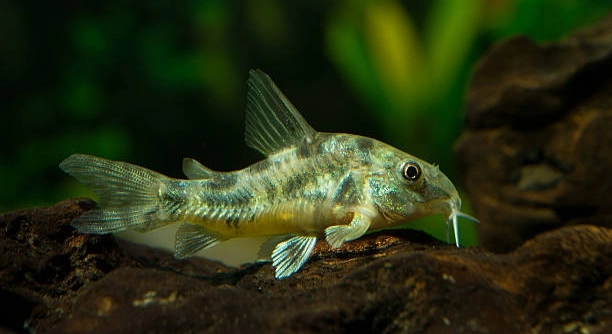
Is your Corydoras catfish moving in circles more often than usual, making you wonder if something is off in the tank?
Corydoras catfish swim in circles for several reasons, including playful behavior, poor water conditions, lack of stimulation, or illness. Observing the pattern, speed, and context of this movement can help determine whether it’s harmless or a sign of stress.
Understanding these reasons can help you take better care of your catfish and improve its comfort in your aquarium setup.
1. Normal Playfulness and Social Behavior
Corydoras catfish are naturally active, social fish that enjoy swimming in groups. When kept with others of their kind, they often engage in playful behaviors that include swimming in circles or darting around. This behavior can be completely normal and part of their social bonding. It usually happens when they are well-fed, comfortable in their environment, and have enough space to move. As bottom-dwellers, Corydoras like to explore the tank floor, and their energy often shows up in quick, circular movements. If their tank mates are peaceful and the tank is properly maintained, this activity may simply reflect their healthy, curious nature.
In a calm and balanced tank, circling can mean your Corydoras feel safe and stimulated.
Still, it’s a good idea to monitor the behavior over time. If it increases suddenly or becomes frantic, there may be something more going on. A healthy routine helps keep things stable.
2. Poor Water Quality
Sudden or frantic circling may signal a problem with your tank’s water quality.
Corydoras are sensitive to ammonia, nitrite, and nitrate levels. If your fish start swimming in circles repeatedly, it may be a reaction to poor water conditions. Elevated ammonia or nitrite can irritate their gills and make breathing harder, prompting them to move more erratically. Even high nitrate levels can create stress over time. It’s essential to test the water regularly, especially if you’ve recently changed the filter, added new tank mates, or skipped a water change. Inconsistencies in pH or temperature can also lead to stress-related circling. Fixing these issues starts with a reliable water testing kit and a consistent maintenance routine. Weekly partial water changes, filter checks, and gravel cleaning all help keep levels in check. If you suspect an issue, isolate the affected fish if needed and address the water parameters promptly to avoid worsening conditions for the rest of the tank.
3. Lack of Stimulation or Space
Corydoras catfish need space and stimulation to stay healthy. If their tank is too small or lacks hiding spots and decorations, they may start swimming in circles from boredom or restlessness.
A tank that’s too bare or overcrowded can lead to stress. Corydoras are active bottom-dwellers, and they like to explore their surroundings. Without enough room or visual barriers, they might start pacing or circling the tank out of frustration. Providing at least 20 gallons for a small group helps give them the space they need. Adding plants, caves, driftwood, or even smooth stones will also keep them busy. These additions offer shelter and new surfaces to investigate. Even small changes to the layout can make a big difference in their daily activity. If your Corydoras seem restless, consider refreshing their environment and checking their tank size.
Corydoras also enjoy digging through the substrate, so avoid sharp gravel or glass beads. Use soft sand or rounded gravel to allow safe burrowing and natural behavior. This gives them something to do and helps prevent injuries. When fish lack these outlets, repetitive movement like circling becomes more common. A little enrichment goes a long way. Creating a space that mimics their natural environment encourages healthy exploration and helps reduce stress.
4. Stress from Tank Mates
Aggressive or overly active tank mates can cause Corydoras to feel unsafe. If they’re being chased or harassed, they may swim in circles as a stress response or as an attempt to escape the pressure.
Peaceful companions are important. Avoid pairing Corydoras with larger or nippy fish that crowd the bottom area.
5. Illness or Parasites
If the circling is paired with other signs like loss of color, clamped fins, or rapid breathing, it could point to illness or internal parasites. Bacterial infections, flukes, or swim bladder issues may all trigger abnormal swimming. Quarantining and treatment may be necessary after identifying the cause.
6. Spawning Behavior
During spawning, Corydoras may chase each other in circles. This is normal mating behavior and happens more often in well-maintained tanks. It’s usually nothing to worry about as long as all fish seem healthy and active.
FAQ
Why is my Corydoras circling only at night?
Corydoras catfish are more active at night or during low light periods. If yours is circling only after dark, it could be normal nighttime activity. Some fish become bolder and more playful when the tank is quiet. However, it’s still important to check water parameters, tank size, and any nighttime changes like filters turning off or heaters cycling. If everything seems stable and the fish looks healthy, this behavior is usually not a concern. Watching for signs of stress or injury can help rule out more serious causes.
Is it normal for young Corydoras to swim in circles more often?
Yes, juvenile Corydoras tend to be more active and energetic. They’re still adjusting to their environment and often interact playfully with one another. Circling behavior in younger fish can be a way of exploring or establishing social bonds. It becomes less frequent as they mature and settle into their routine. Just make sure they have proper tank conditions, good nutrition, and enough space. Excessive or frantic circling that doesn’t calm down over time might still need attention. Monitor their development and adjust tank setup as needed.
Can a sudden change in temperature cause circling?
Yes, Corydoras are sensitive to rapid temperature shifts. A sudden drop or spike in temperature can cause confusion, stress, and abnormal swimming behavior. If the water is too cold, their metabolism slows and they may swim erratically. If too warm, oxygen levels drop and discomfort sets in. Always use a reliable heater and thermometer, and avoid quick changes during water changes. Keep the tank between 72°F and 78°F for most Corydoras species. Stabilizing the temperature often reduces this kind of circling behavior within a few hours.
Should I be worried if only one Corydoras is circling?
It depends. If the circling is occasional and the fish is eating, active, and otherwise healthy, it might not be serious. However, if just one fish is circling constantly while others behave normally, it could mean that fish is unwell. Possible causes include swim bladder issues, early signs of infection, or damage from a previous injury. Isolating the fish in a separate tank and observing it for a day or two can help. If symptoms worsen, you may need to consult a vet or begin treatment.
Do Corydoras swim in circles before dying?
Circling can sometimes appear in sick or dying fish, but it’s not a guaranteed sign. If the circling becomes frantic, erratic, or is paired with floating, sinking, or spiraling, it may signal a serious issue. Watch for signs like pale color, labored breathing, or lack of appetite. Sudden circling followed by collapse could indicate neurological issues, poisoning, or organ failure. In these cases, acting quickly can sometimes save the fish. Always test the water first, check for toxins, and isolate the affected fish if needed.
How do I calm down a stressed Corydoras?
Start by turning off bright lights and reducing noise around the tank. Test the water for ammonia, nitrite, nitrate, pH, and temperature. Do a partial water change if needed. Add hiding spots like plants or caves to help the fish feel secure. Avoid rearranging the tank too often. If the fish is alone, consider adding more Corydoras to form a proper group—they feel safer in numbers. Stress coat additives can help in short-term situations, but stable tank conditions and a peaceful environment are the long-term solution.
Can Corydoras recover from stress-related behavior?
Yes, they usually can. Corydoras are resilient fish when given the right care. If you correct whatever is causing the stress—whether it’s water quality, aggression, or lack of space—your fish can bounce back within a few days. Keep an eye on their eating habits, social behavior, and general energy. Avoid over-handling or moving them between tanks unless absolutely necessary. A calm environment with consistent care can reverse stress-related circling.
How many Corydoras should I keep together to prevent stress?
Corydoras are schooling fish and should be kept in groups of at least six. Smaller groups often lead to loneliness and anxiety. In a group, they feel safer and more confident, which helps reduce stress behaviors like circling. Larger groups of the same species also tend to stick together and move in sync, showing more natural behaviors. Make sure the tank is large enough to support the number you want to keep, and avoid overstocking. A group of happy Corydoras is usually calm, active, and peaceful.
Final Thoughts
Watching your Corydoras swim in circles can feel confusing or even worrying at first. It’s not always easy to tell if they’re being playful or showing signs of stress. In many cases, this behavior can be completely harmless—especially if your fish is young, active, or exploring a new environment. Corydoras are curious and social by nature, and they often swim in patterns that look strange to us. When kept in the right conditions and with enough companions, they tend to settle into calmer routines. Still, even a small change in behavior is worth noticing.
Circling can also point to a range of other causes, including poor water quality, changes in temperature, or social imbalance in the tank. Sometimes the issue may be physical, such as a swim bladder disorder or a mild injury. Other times, it could be something more subtle—like feeling nervous in a tank without enough hiding spaces. By checking water parameters regularly and giving them enough room to swim and hide, you reduce the chances of stress. Simple things like adding more plants, reducing loud noises, or improving tank layout can go a long way in making your Corydoras feel more at ease.
In the end, keeping a close eye on your fish and understanding their natural behaviors will help you spot problems before they get worse. A healthy Corydoras will usually be active, curious, and eat well. If the circling continues alongside other changes—like fading color, floating issues, or a lack of appetite—it’s best to act early. Isolation, observation, and sometimes treatment may be needed, depending on what you find. But with calm surroundings, clean water, and a proper group size, most Corydoras will thrive. Being attentive without overreacting helps you make better choices for their care and keeps your tank balanced.

Hello,
If you enjoy the content that we create, please consider saying a "Thank You!" by leaving a tip.
Every little bit helps us continue crafting quality advice that supports the health, happiness, and well-being of pets around the world, for pets of all shapes, sizes, and species.
We really appreciate the kindness and support that you show us!