
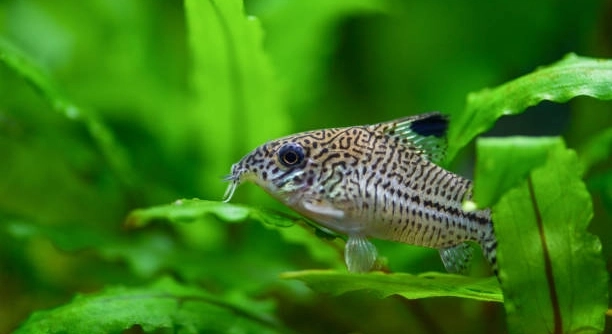
Corydoras catfish are popular aquarium fish known for their playful behavior, but sometimes you might notice them swimming in the same spot. This can be puzzling, especially when they usually swim around more actively.
Corydoras catfish may swim in the same spot due to various reasons like environmental stress, seeking food, or establishing territory. Other causes may include water quality issues or health concerns, affecting their normal swimming patterns.
Understanding why your Corydoras catfish does this can help ensure it remains healthy and comfortable in its tank. There are several factors to consider, from tank conditions to possible health issues.
Stress from the Environment
Corydoras catfish are sensitive creatures, and any changes to their environment can cause stress. If your tank has been recently moved, cleaned, or changed, they may react by swimming in the same spot. This behavior is often a sign of discomfort. Stress can also result from noisy surroundings, overcrowding, or a lack of hiding spots. It is crucial to maintain a stable, peaceful environment for them to feel safe and secure. If they’re suddenly facing unusual conditions, it may take some time for them to adjust and regain their usual swimming habits.
While changes in the environment are often temporary, they can still affect your fish’s behavior. Corydoras are bottom-dwelling fish, so they rely on consistent water conditions to feel comfortable. If something’s off, they may retreat to familiar spots in the tank, possibly because it feels safer.
Proper tank maintenance and a calm environment can prevent long-term stress for your Corydoras catfish. Monitoring their surroundings closely will help you notice any changes that might be influencing their behavior.
Poor Water Quality
Water quality is a common issue for aquarium fish, and Corydoras catfish are no exception. When the water becomes polluted or has poor oxygen levels, they tend to stay in one place more often. High ammonia, nitrite, or nitrate levels can be harmful to fish, leading them to show unusual behavior. These water parameters are critical for the well-being of your fish.
Regular water changes and a reliable filtration system will help keep the tank clean and ensure your fish are comfortable. Water testing kits can help you monitor these levels, providing you with the information needed to act quickly when something goes wrong. If the water quality isn’t up to par, your Corydoras catfish may swim in one spot, struggling to cope with the conditions.
To keep your catfish happy, invest in proper water treatment tools and make sure the filtration system is working efficiently. If the water is ideal, your catfish should feel free to explore their surroundings without hesitation.
Illness or Injury
If your Corydoras catfish is sick or injured, it might swim in the same spot. Illnesses can cause them to feel weak or lethargic, limiting their movement. You may notice them staying near the bottom or hiding. Injuries like cuts or scrapes can also cause them to remain in one area, as they may feel vulnerable or hurt.
Common signs of illness include a loss of appetite, unusual swimming patterns, or faded coloration. If you suspect your fish is sick or hurt, it’s important to isolate them in a separate quarantine tank. This helps prevent any potential spread of illness to other fish in the tank.
Make sure to closely observe their behavior and take action if you see signs of injury or sickness. Treating the illness promptly is crucial to their recovery and helps prevent further stress or complications.
Searching for Food
Corydoras catfish are scavengers, and they often stay in one spot while searching for food. They might be looking for fallen food particles or small bits of algae that have settled on the substrate. This is completely natural and part of their behavior.
If you have other fish in the tank, the Corydoras may also be waiting for leftovers. In some cases, they might even position themselves in a spot where food usually falls, making it easier for them to find it. It’s not uncommon for Corydoras to be less active at feeding time, especially if they feel confident that food will come to them.
To make sure your Corydoras catfish gets enough to eat, try feeding them at a specific time and location. Offering sinking pellets or other bottom-dwelling fish food can help encourage their natural foraging behavior and give them the nutrition they need.
Territory or Social Behavior
Corydoras catfish are territorial creatures, and sometimes they will stick to one spot to establish their own space. This can happen when they feel the need to defend an area from other fish or even their own kind. It’s a natural way of marking their territory.
If you have multiple Corydoras in your tank, they may compete for the best spots. This territorial behavior is normal but can also lead to a few of them staying in one place to avoid confrontations. Providing ample space can help reduce these territorial issues.
Tank Size and Space Limitations
If the tank is too small, your Corydoras may feel cramped and stay in the same spot. A lack of space can make them feel stressed or restricted, causing them to act unnaturally. Make sure your tank provides enough room for your fish to swim freely.
A larger tank with plenty of hiding spots will encourage your Corydoras to move around more and explore. If the tank is overcrowded, it can add to the issue, and you may notice your catfish staying in one spot even more often.
Water Temperature
Corydoras catfish are sensitive to temperature changes. If the water is too cold or too warm, they may stay in one spot to conserve energy. Extreme temperatures can make them feel sluggish or uncomfortable, leading them to become less active.
Make sure to maintain a stable water temperature within the ideal range for Corydoras. A consistent environment will help keep them comfortable and active. Use a reliable heater or thermometer to keep track of the water temperature in the tank.
FAQ
Why does my Corydoras catfish stay at the surface of the water?
If your Corydoras catfish is spending time at the surface, it could be due to low oxygen levels in the water. Corydoras typically prefer to stay near the bottom, but if oxygen is lacking, they may swim up to the surface to gulp air. This could also indicate water quality issues, such as high ammonia or low pH. Regular water changes and ensuring proper aeration will help resolve this issue. If the problem persists, check your filtration system to make sure it’s running properly and providing enough oxygen for all fish.
How can I tell if my Corydoras catfish is stressed?
Stressed Corydoras will exhibit several signs, such as erratic swimming, staying in one spot, or hiding more often than usual. They may also appear more skittish and react strongly to movements around the tank. Changes in their color, like fading, or their refusal to eat can also indicate stress. To reduce stress, make sure your tank is stable and peaceful, with proper water conditions and enough space. Adding hiding spots can help your Corydoras feel more secure and reduce anxiety.
Do Corydoras catfish need a heater?
Yes, Corydoras catfish thrive in temperatures between 72°F and 78°F (22°C to 26°C). If the water is too cold, they might become sluggish and spend more time in one spot. A heater helps maintain a stable temperature, which is crucial for their health and activity level. Without proper temperature control, your Corydoras may struggle to stay active and could become more prone to illness. It’s essential to monitor the tank’s temperature regularly to ensure it’s within the ideal range.
Why is my Corydoras catfish swimming upside down?
Swimming upside down is not typical behavior for Corydoras catfish and could be a sign of illness. Swim bladder problems, infections, or parasites can affect their buoyancy, causing them to float unnaturally. If this behavior persists, it’s important to separate the affected fish and quarantine it. You may also need to adjust water conditions to prevent further stress and take action to treat the illness. A visit to an aquarium expert or veterinarian specializing in fish is recommended for a more precise diagnosis.
How often should I feed my Corydoras catfish?
Corydoras are bottom-feeding fish and can be fed once or twice a day. Overfeeding can lead to poor water quality, so it’s important to offer only what they can consume in a few minutes. Use sinking pellets or wafers that are designed for bottom dwellers, as these are easier for them to find. Avoid floating food, as Corydoras are less likely to catch it. Make sure to remove any uneaten food after feeding to maintain water quality.
Why does my Corydoras catfish keep rubbing against objects?
Rubbing against objects is usually a sign of irritation or discomfort. This behavior, known as “flashing,” could indicate that your Corydoras is suffering from external parasites, like ich or skin infections. It could also be a reaction to rough surfaces in the tank. To address this, check for signs of disease or injury, and consider performing a full water change. If parasites are suspected, using appropriate medicated treatments will help clear up the issue.
How can I encourage my Corydoras catfish to swim more?
To get your Corydoras catfish to swim more, make sure their environment is ideal. Ensure there is plenty of space, and avoid overcrowding the tank. Adding plants and decorations to create hiding spots will make them feel secure and encourage more movement. Regular water changes and proper filtration will help maintain a healthy environment, which in turn will make your Corydoras feel more active. A stable, low-stress environment is key to getting them to swim freely throughout the tank.
Is it normal for Corydoras catfish to dig in the substrate?
Yes, digging is normal behavior for Corydoras catfish. These fish love to sift through the substrate in search of food. They use their barbels to help them find small food particles or detritus. However, if you notice that your Corydoras is digging excessively or appearing agitated, it could be a sign that they are stressed or searching for a hiding place. Ensure that the substrate is suitable for their digging habits—fine sand is best, as it prevents damage to their delicate barbels.
Can Corydoras catfish live with other fish?
Corydoras catfish are peaceful and generally get along well with other non-aggressive fish. They do best in a community tank with species that share similar water requirements. Avoid keeping them with large or overly aggressive fish that might stress or harm them. It’s also important to avoid very small fish that could be seen as food. Other peaceful bottom dwellers, such as small tetras or guppies, are usually great tank mates for Corydoras.
Why are my Corydoras catfish chasing each other?
Corydoras catfish are social and often chase each other, especially during mating behavior. Male Corydoras may chase females during breeding, which can be mistaken for aggression. However, if this chasing appears to be constant or aggressive, it could be a sign of territorial disputes or stress. Ensure that your tank provides enough space and hiding spots to reduce tension between your Corydoras. Adding more hiding places or increasing the tank size may help resolve these conflicts.
Final Thoughts
Understanding why your Corydoras catfish stays in the same spot is important for ensuring they remain healthy and comfortable in their tank. There are various factors that could cause this behavior, from stress and poor water quality to illness or territorial disputes. The key is to observe your fish closely and address any potential issues in their environment. If you notice consistent changes in behavior, such as lethargy or unusual swimming patterns, it’s essential to investigate and adjust the tank conditions accordingly. A calm and stable environment will help your Corydoras feel secure and encourage them to move around more.
Maintaining proper water quality is one of the most important aspects of caring for Corydoras catfish. If the water is polluted or the temperature is off, it can lead to stress or health issues. Regular water changes, testing for ammonia and nitrate levels, and keeping the tank clean will go a long way in ensuring your fish are comfortable. Additionally, a suitable filtration system and a stable temperature will help keep the water conditions ideal. If your fish are swimming in the same spot or showing other signs of distress, it’s always a good idea to check these key aspects first.
Lastly, it’s worth noting that Corydoras catfish are social creatures and thrive in groups. If you only have one Corydoras in your tank, it might be feeling lonely or stressed, which could lead to strange behavior. Having a small group of these fish can help reduce anxiety and encourage natural behaviors. Offering plenty of hiding spots, making sure the tank isn’t overcrowded, and ensuring there’s enough food for everyone can make a big difference. By closely monitoring their environment and behavior, you’ll be able to enjoy the playful and peaceful nature of your Corydoras catfish while ensuring they remain healthy and happy.

Hello,
If you enjoy the content that we create, please consider saying a "Thank You!" by leaving a tip.
Every little bit helps us continue crafting quality advice that supports the health, happiness, and well-being of pets around the world, for pets of all shapes, sizes, and species.
We really appreciate the kindness and support that you show us!