
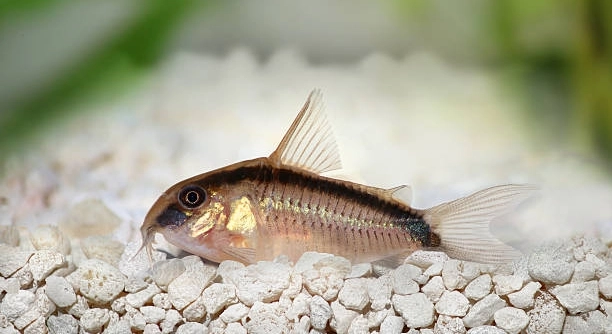
Corydoras catfish are popular freshwater aquarium fish, loved for their peaceful nature. However, you may notice them scratching their bodies from time to time. This behavior can be concerning if you’re unsure of the cause.
The scratching of a Corydoras catfish’s body is often linked to skin irritation, parasites, or environmental stressors. Factors like poor water quality, overcrowding, and improper tank conditions can contribute to this behavior. It is essential to identify the underlying issue.
Understanding the reasons behind this scratching can help you address the situation and improve the health of your Corydoras catfish. We’ll explain seven common causes and provide tips to help your fish feel better.
Poor Water Quality
Poor water quality is one of the most common reasons your Corydoras catfish may be scratching. When the water in your aquarium is not properly maintained, it can lead to stress, skin irritation, and even disease. Ammonia, nitrites, and high levels of nitrates can all cause harm to your fish. Additionally, improper pH levels, temperature fluctuations, and debris in the water can worsen the situation.
If your Corydoras are scratching, check the water parameters immediately. A simple water test can help you determine if there are any dangerous spikes in ammonia or other substances. Regular water changes and proper filtration can keep the water clean, ensuring your fish are comfortable. Keeping the water within the recommended range for your fish species is key.
Always ensure your tank is properly cycled before introducing fish. This ensures a stable environment for your Corydoras and prevents stress that could lead to scratching.
External Parasites
External parasites, like ich or flukes, can cause Corydoras catfish to scratch. These tiny organisms attach to the fish’s skin, causing irritation and discomfort. If left untreated, they can lead to more severe health issues.
To identify parasites, look for visible signs like white spots on the skin or abnormal behaviors, such as excessive rubbing against objects. If you suspect external parasites, quarantine the infected fish and treat the tank with an appropriate medication. Regularly inspect your fish for signs of parasites, especially if new fish are introduced.
Treating external parasites early can help prevent them from spreading to other tank mates. Keep in mind that a clean tank and proper quarantine procedures are essential for preventing infestations in the first place.
Overcrowded Tank
An overcrowded tank can lead to stress and cause Corydoras catfish to scratch their bodies. When too many fish are in a small space, the water quality quickly deteriorates, and there’s not enough room for everyone to swim freely.
When your tank is overcrowded, it increases the chances of poor water circulation and more waste buildup. This contributes to skin irritation, which makes your Corydoras more likely to scratch. The confined space can also lead to territorial disputes, adding further stress. Ensuring your tank is appropriately sized for the number of fish can make a significant difference in their overall health.
Consider upgrading your tank size or reducing the number of fish if you notice this behavior. Keeping the environment stress-free allows your Corydoras to thrive, reducing their need to scratch. A peaceful, well-maintained tank is essential for their well-being.
Poor Diet
A poor diet can also contribute to scratching in Corydoras catfish. When fish do not receive the necessary nutrients, their skin becomes weaker and more susceptible to irritations, prompting them to scratch against surfaces in the tank.
Feeding your fish a varied, nutrient-rich diet can prevent deficiencies that affect their overall health. Offer them high-quality pellets, frozen foods, and occasional treats like bloodworms or brine shrimp. A balanced diet helps keep their skin healthy and their immune system strong, reducing the chances of irritation that leads to scratching. Avoid overfeeding, as it can quickly degrade water quality, which can also stress the fish.
If your Corydoras continue scratching, consider reviewing their diet and introducing new, nutritious options. You may notice an improvement as their immune system strengthens, making them less prone to irritation and discomfort.
Tank Decorations
Sharp or rough decorations can cause your Corydoras to scratch. If there are any jagged rocks, unpolished substrate, or decorations with edges that could hurt their delicate skin, it may lead to irritation.
Inspect your tank decorations regularly to ensure there are no sharp objects. Corydoras are bottom dwellers, so they often come into contact with surfaces. Smooth, rounded rocks and soft decorations are safer choices. This will help reduce physical irritation and ensure a comfortable environment for your fish.
Consider removing or replacing any decorations that might be harmful to your fish. A tank with safe, smooth elements reduces the risk of scratches and helps maintain a healthy, peaceful environment.
Water Temperature
Water temperature plays a crucial role in your Corydoras’ health. If the water is too hot or too cold, it can cause stress, making them more likely to scratch.
Maintaining a stable water temperature is essential. Corydoras thrive in temperatures between 72°F and 78°F (22°C-26°C). Fluctuations or extremes can weaken their immune system, making them more susceptible to skin irritation and parasites. A reliable aquarium heater will help maintain the ideal temperature range for your fish.
Always monitor the water temperature and make adjustments if needed. Keeping the water within the recommended range will ensure your Corydoras remain comfortable and healthy.
Skin Infections
Skin infections can also cause your Corydoras to scratch. Bacterial or fungal infections often result in itching and irritation, prompting fish to rub against objects in their tank.
These infections may be caused by stress, poor water quality, or injury. Visible symptoms include lesions or abnormal growths on the skin. If you notice these signs, it’s important to treat the infection promptly. Medication specific to the type of infection can help. It’s also essential to improve tank conditions to prevent reoccurrence.
Treating and monitoring the environment closely will help prevent infections from becoming a recurring issue. Always quarantine any new fish to avoid introducing harmful bacteria.
FAQ
Why is my Corydoras catfish scratching its body?
Scratching is often a sign of irritation or discomfort. It can be caused by poor water quality, external parasites, overcrowded tanks, or even skin infections. Checking your water parameters, looking for signs of parasites, and ensuring your tank is properly maintained can help identify the issue. If the scratching continues, it’s important to assess the overall health of your fish and consider treatment.
Can poor water quality cause my Corydoras to scratch?
Yes, poor water quality is one of the leading causes of scratching in Corydoras catfish. When ammonia, nitrites, or nitrates spike in the tank, it can irritate the fish’s skin, causing them to scratch against surfaces. Regular water changes, proper filtration, and monitoring water parameters are essential to keep your fish healthy. Maintaining a clean tank environment can prevent this kind of irritation.
What should I do if I notice my Corydoras scratching?
First, check the water quality and ensure it falls within the proper ranges for your fish. A water test kit can help identify any problems. If the water is fine, inspect your fish for signs of external parasites like white spots or lesions. Additionally, check if your tank is overcrowded and remove any sharp decorations that could be irritating your fish. If parasites or infections are suspected, quarantine the affected fish and treat accordingly.
Can overcrowding cause my Corydoras to scratch?
Yes, overcrowding can lead to scratching. When there are too many fish in a tank, water quality can quickly deteriorate, increasing stress and skin irritation. It can also lead to territorial behavior, which further stresses your fish. A stressed Corydoras may scratch to relieve the discomfort. Ensuring the tank is the right size for the number of fish will improve their overall health.
What are the signs of parasites on my Corydoras catfish?
Common signs of parasites include abnormal scratching or rubbing against objects, white spots on the skin (like in the case of ich), or visible lesions. Fish may also show signs of lethargy, loss of appetite, or rapid gill movement. If you suspect parasites, it’s essential to act quickly, as they can spread to other fish in the tank. A medicated treatment can be used to eliminate the parasites.
Could the decorations in my tank be causing the scratching?
Yes, sharp or rough decorations can cause irritation and lead to scratching. Corydoras are bottom dwellers and spend a lot of time near the substrate or decorations, so any jagged rocks, unpolished materials, or decorations with sharp edges can harm their skin. Ensure that all tank decorations are smooth and rounded to prevent injury. Consider replacing any rough elements with safer options.
How do I prevent my Corydoras from scratching?
To prevent scratching, maintain a clean tank with proper water quality and temperature. Make sure the water is filtered and regularly tested for ammonia, nitrites, and nitrates. Keep the tank free of sharp decorations, and avoid overcrowding. Providing a balanced diet rich in nutrients will help your Corydoras maintain healthy skin and a strong immune system.
Can a poor diet lead to scratching in Corydoras catfish?
Yes, a poor diet can weaken a Corydoras’ immune system and skin health. When fish do not receive the necessary nutrients, they become more susceptible to skin irritation, which can cause them to scratch. Ensure you’re feeding a well-balanced diet, including high-quality pellets, occasional live foods, and a variety of nutrients. Avoid overfeeding, as it can lead to water quality issues as well.
How can I treat parasites on my Corydoras catfish?
If your Corydoras have parasites, the first step is to quarantine the affected fish to prevent the spread. Depending on the type of parasite, you can use medications designed to treat specific infections, like copper sulfate for external parasites or formalin for ich. Follow the instructions on the medication carefully. It’s also crucial to maintain good water quality during the treatment process. If needed, consult with an aquarium specialist for advice on treating parasitic infections.
Is it necessary to quarantine new fish before adding them to the tank?
Yes, quarantine new fish before adding them to your main tank. This helps prevent the introduction of parasites, bacteria, or diseases that could affect your existing fish. A quarantine period of two to four weeks allows you to monitor the new fish for any signs of illness or parasites before they mix with your other aquarium inhabitants.
What temperature is ideal for my Corydoras to prevent scratching?
Corydoras catfish thrive in temperatures between 72°F and 78°F (22°C to 26°C). Extreme temperature fluctuations or water that’s too hot or too cold can cause stress, leading to scratching. Ensure your aquarium heater maintains a stable temperature within this range to help your Corydoras stay comfortable and healthy.
What is the best way to clean the tank to prevent scratching in Corydoras?
Regular tank maintenance is crucial to preventing scratching. Perform weekly water changes of about 25%, and check the filter to ensure it’s working properly. Clean the tank decorations and substrate to remove debris. Test the water regularly to monitor ammonia, nitrite, and nitrate levels. Keeping your tank clean and well-maintained will reduce the likelihood of irritation and scratching in your fish.
Can skin infections cause scratching in Corydoras catfish?
Yes, skin infections can lead to scratching. Bacterial or fungal infections may cause your Corydoras to rub against objects to alleviate discomfort. If you notice lesions, unusual growths, or other signs of infection, it’s important to treat the fish with the appropriate medication and improve the water quality to prevent further issues.
Final Thoughts
Corydoras catfish scratching their bodies can be a sign of several different issues, but it’s usually related to environmental factors or health concerns. Poor water quality, incorrect water temperature, or rough decorations in the tank are some of the most common causes. Even a small change in their environment can lead to stress and discomfort, which might cause your Corydoras to scratch. Keeping your tank clean, properly filtered, and free of sharp objects can prevent most physical irritation.
If the scratching continues despite taking steps to improve the tank conditions, it may be necessary to consider health issues such as parasites or skin infections. External parasites like ich or fungal infections can cause significant discomfort for your Corydoras. Keeping a close eye on your fish for any additional symptoms such as lesions, white spots, or unusual behavior can help in identifying these issues. Treating them quickly with the right medication will prevent the spread of disease to other fish in the tank.
In the end, maintaining the right water parameters and a stress-free environment will help keep your Corydoras healthy and happy. Regular water changes, checking for sharp edges in the tank, and keeping their diet well-balanced are simple steps you can take to avoid problems. If the scratching persists, don’t hesitate to consult with a professional or look into treatments specific to the issue. By being proactive, you can ensure your Corydoras stay in good health for a long time.

Hello,
If you enjoy the content that we create, please consider saying a "Thank You!" by leaving a tip.
Every little bit helps us continue crafting quality advice that supports the health, happiness, and well-being of pets around the world, for pets of all shapes, sizes, and species.
We really appreciate the kindness and support that you show us!