
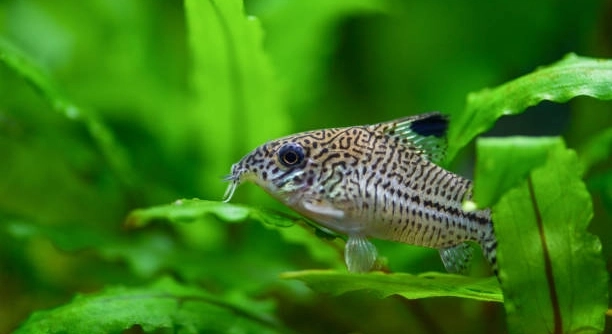
Corydoras catfish are popular aquarium fish, known for their playful and active nature. However, if you’ve noticed your catfish frequently hiding near the filter, it could be due to several factors affecting their behavior.
Corydoras catfish may hide near the filter due to water flow, seeking refuge in areas with calmer currents. Other causes include stress, illness, low oxygen levels, or the presence of other dominant tank mates. It is important to assess environmental factors.
Understanding these explanations can help you address your catfish’s behavior and improve their well-being in your aquarium.
Water Flow and Filter Position
One of the main reasons a Corydoras catfish might hang around the filter is due to water flow. These fish prefer calm waters, and a strong current can make them feel stressed. In some aquariums, filters create fast-moving water that can be overwhelming. A filter positioned too close to where the catfish usually swim may push them into areas where they feel safer, like near the filter outlet. By adjusting the position of the filter or reducing the water flow, you can create a more comfortable environment.
Sometimes, the filter’s placement makes a big difference in how your catfish behave. If you find that your catfish seem to stay in one corner near the filter, try rearranging the tank’s layout. A filter positioned at one end of the tank can prevent strong currents from disturbing other areas where the catfish may prefer to swim.
Small adjustments, like adding a sponge filter or reducing the water flow, can help reduce stress and make your Corydoras more active and visible. A calmer environment allows them to move around freely, boosting their overall well-being.
Tankmates and Stress Factors
Stress can also lead your Corydoras catfish to seek shelter near the filter. If your tank contains more dominant fish, the catfish may feel threatened and hide. Some fish species can be territorial and might chase or intimidate the Corydoras. Similarly, aggressive behavior from other tankmates can lead to anxiety.
When adding new fish to your tank, it’s essential to consider how the new arrivals will interact with your Corydoras. Ideally, you want peaceful, non-aggressive species that coexist well. Larger or faster fish may inadvertently stress out the catfish. Observe the interactions between your fish and make adjustments as necessary.
If stress continues to be an issue, offering more hiding spots, like plants or caves, can provide your Corydoras with a safe place. A more relaxed tank with peaceful companions will help reduce their need to hide.
Water Quality
Water quality plays a crucial role in your Corydoras catfish’s behavior. Poor water conditions, such as high ammonia or nitrate levels, can stress them and lead to hiding. Make sure to regularly test water parameters and perform partial water changes to maintain a healthy environment.
Corydoras catfish are sensitive to water conditions, and even slight changes in pH or temperature can cause discomfort. Consistent water maintenance, such as using a good filtration system and monitoring the tank regularly, is essential. Always ensure the water temperature stays within a comfortable range for these fish, usually between 72-78°F (22-26°C).
If water quality remains poor, your catfish may become lethargic or find shelter near the filter, where the water might feel slightly more stable. Inconsistent care can result in long-term health issues for your fish, so regular checks are important.
Illness or Injury
Health issues are another possible reason your Corydoras might hide. When they’re feeling unwell or injured, they tend to find a safe, quiet space to rest. Symptoms of illness may not always be obvious at first, so it’s essential to monitor their behavior closely.
Infections, parasites, or physical injuries can all contribute to hiding behavior. Look for signs of unusual swimming patterns, skin discoloration, or visible lesions. If you notice any of these symptoms, it’s important to act quickly. Isolation and treatment of sick fish help prevent the spread of diseases.
If your Corydoras keeps hiding for several days without improvement, consult a vet or aquatic specialist. They can identify any underlying health concerns and recommend appropriate treatments. Proper care and a stress-free environment will help speed up recovery.
Overcrowding
Overcrowding can cause stress for your Corydoras catfish, making them hide near the filter. When there are too many fish in the tank, they may feel cramped, which leads to anxiety and hiding in corners. Always follow proper stocking guidelines.
Having more space allows each fish to feel secure and reduces stress. A tank that’s too small for the number of fish will create competition for resources, leading to aggressive behavior and hiding. It’s important to regularly assess your tank’s population to avoid overcrowding and to ensure all fish have room to thrive.
Tank Decorations
Tank decorations can impact the amount of hiding behavior you see. Corydoras appreciate having places to retreat, such as plants or caves, to feel secure. A well-decorated tank can reduce stress and prevent them from constantly hiding near the filter.
Adding decorations like rocks, plants, or other hiding spots gives the Corydoras more options for retreating. These additions can make your fish feel more comfortable, as they’ll have space to explore while still having areas to hide when they need rest. Consider placing the decorations strategically to create a more natural environment.
Feeding Issues
Feeding problems can contribute to your Corydoras hiding near the filter. If they are not getting enough food or if competition for food is high, they may retreat to areas where they feel safe. Ensure your catfish have access to food and are not being outcompeted by other tankmates.
Feeding time can be stressful for Corydoras, especially if other fish are faster or more aggressive. To prevent this, try offering food in various locations around the tank. This gives your catfish a chance to eat without having to fight for food.
FAQ
Why is my Corydoras catfish staying near the filter?
Your Corydoras catfish may be staying near the filter because of the current. They prefer calmer waters, and the filter’s strong flow may make them seek refuge in quieter areas. Adjusting the water flow or repositioning the filter can help make the environment more comfortable for your fish.
Can stress cause Corydoras to hide?
Yes, stress can definitely cause your Corydoras to hide. Stress factors like overcrowding, aggressive tankmates, or sudden changes in water conditions can lead to them seeking a safe spot. Keeping the tank peaceful and maintaining stable water quality can help reduce stress and encourage your catfish to come out of hiding.
Is it normal for Corydoras to hide?
It is normal for Corydoras to hide from time to time, especially when they feel insecure or stressed. However, if the hiding behavior becomes constant, it’s important to check for underlying issues like water quality, stress from other fish, or possible illness.
How do I know if my Corydoras is sick?
If your Corydoras is sick, you may notice changes in behavior, such as a lack of activity or swimming abnormally. Physical signs include lesions, discoloration, or fin damage. Watch for changes in eating habits or if the fish seems lethargic. If symptoms persist, it’s best to consult an aquatic specialist.
Can I reduce hiding behavior by adding tankmates?
Yes, adding peaceful tankmates can reduce hiding behavior. Corydoras catfish do better in groups, so consider adding more of the same species to provide companionship. Additionally, peaceful tankmates that don’t stress out your catfish can create a more harmonious environment, reducing the need for them to hide.
How can I improve water quality for my Corydoras?
To improve water quality, regularly test your tank for ammonia, nitrates, and nitrites. Perform partial water changes to keep the levels in check and maintain stable pH and temperature. A good filtration system can also help, but make sure the flow isn’t too strong for your Corydoras to handle.
Can the filter be too strong for Corydoras?
Yes, a filter that is too strong can overwhelm Corydoras, making them retreat to calmer spots in the tank. They prefer gentle water movement, so using a sponge filter or reducing the power of your filter can make a big difference. Aim for a water flow that mimics their natural habitat.
How often should I feed my Corydoras?
Feed your Corydoras once or twice a day, offering them small amounts of food that they can consume in a few minutes. Overfeeding can lead to poor water quality and increased stress. Make sure to feed sinking pellets, as Corydoras are bottom dwellers and prefer food that reaches the substrate.
What is the ideal tank temperature for Corydoras?
The ideal tank temperature for Corydoras is between 72°F and 78°F (22°C and 26°C). Keeping the temperature within this range helps maintain their comfort and overall health. Sudden temperature fluctuations can stress the fish, so use a reliable heater to maintain stable conditions.
Are Corydoras active at night?
Corydoras are generally more active during dawn and dusk, and they tend to rest during the night. However, some individuals may become active at night, especially in a well-lit tank. If you notice your catfish hiding during the day and coming out at night, it may be related to the tank’s lighting or other environmental factors.
Why are my Corydoras always hiding under the filter?
If your Corydoras are always hiding near the filter, it could be due to stress or a preference for the cooler water near the filter. Check the tank’s temperature, water flow, and overall environment. Adding more hiding spots or adjusting the filter’s position can encourage them to explore other areas of the tank.
How do I know if my Corydoras is stressed?
Signs of stress in Corydoras include hiding more often, swimming erratically, or staying in one spot for long periods. They may also refuse food or display signs of illness like faded color or labored breathing. Stress usually results from poor water quality, aggressive tankmates, or overcrowding.
Do Corydoras need special care?
While Corydoras aren’t difficult to care for, they do need clean water, appropriate tankmates, and a comfortable environment. Regular water changes, monitoring tank parameters, and feeding them a balanced diet are essential. They also enjoy having hiding spots and being kept in groups for social interaction.
Can I keep Corydoras with other bottom-dwellers?
It’s possible to keep Corydoras with other bottom-dwellers, but it depends on the species. Avoid aggressive or overly territorial fish that may compete for space or food. Peaceful species, like other catfish or small schooling fish, can cohabitate well with Corydoras without causing stress.
Do Corydoras prefer groups?
Yes, Corydoras are social fish and prefer to live in groups. Keeping at least three to five Corydoras together will help them feel secure and reduce stress. In a group, they’ll be less likely to hide and more likely to interact with one another, making for a healthier environment.
Can I reduce hiding by adding more plants?
Yes, adding more plants can reduce hiding. Plants give Corydoras additional places to explore and retreat when needed. A tank with plants offers a more natural environment, helping your catfish feel more comfortable. Make sure to create open spaces for swimming while still offering some secluded areas for security.
Is it okay to have a filter with a strong current for my Corydoras?
Having a strong filter current can cause stress for your Corydoras. They prefer calm water, so it’s best to use a filter with adjustable flow. If you must use a strong filter, consider adding a sponge filter or diffusing the current with plants or decorations to reduce the flow around them.
Final Thoughts
Understanding why your Corydoras catfish hides near the filter is essential to ensuring their well-being. Whether it’s due to stress, the need for calmer water, or overcrowding, addressing the root cause of their behavior can help create a healthier environment for them. By making simple adjustments to their habitat, such as reducing water flow or adding more hiding spots, you can encourage your fish to feel more comfortable and secure.
Regular maintenance of your aquarium, including checking the water quality and ensuring the right temperature, is also key to keeping your Corydoras happy. Stress often stems from poor water conditions, so keeping the tank clean and free of ammonia, nitrates, and nitrites is crucial. Also, remember that Corydoras are social creatures, so keeping them in groups will help reduce their stress and make them feel more at ease in their surroundings.
Ultimately, taking the time to observe your fish and adjust their environment as needed will go a long way in preventing stress and encouraging natural behavior. With proper care, your Corydoras catfish will thrive, and their tendency to hide near the filter will become less frequent. By creating a balanced, calm tank, you ensure that your fish not only feel safe but also lead long, healthy lives.

Hello,
If you enjoy the content that we create, please consider saying a "Thank You!" by leaving a tip.
Every little bit helps us continue crafting quality advice that supports the health, happiness, and well-being of pets around the world, for pets of all shapes, sizes, and species.
We really appreciate the kindness and support that you show us!