
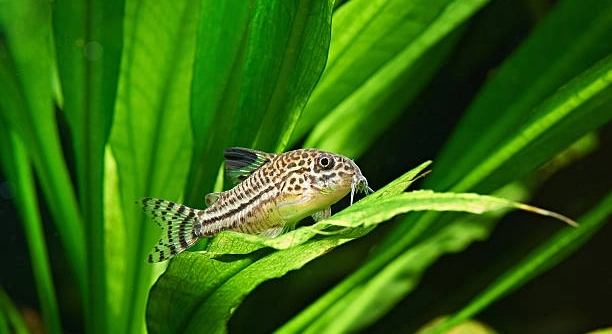
Corydoras catfish are known for their playful and active nature, often seen digging through the substrate in aquariums. This behavior may leave aquarium owners wondering about the cause behind their catfish’s digging activities.
Corydoras catfish dig for various reasons, including their natural instinct to search for food, create a hiding spot, or exhibit mating behaviors. They are bottom-dwellers, and this digging behavior is essential to their survival and well-being in captivity.
Understanding these reasons can help aquarium owners identify any potential issues and ensure a comfortable, healthy environment for their fish.
Natural Instinct to Search for Food
Corydoras catfish are bottom-feeders by nature. In the wild, they search through the substrate to find food like small invertebrates, algae, and detritus. This instinctive behavior continues in captivity. They will sift through the gravel or sand in search of anything edible. While this digging might seem excessive, it is a key part of how they gather their nutrition.
In an aquarium, this behavior could also help the fish to feel more secure in their environment. It’s an important part of their daily routine, as they need to find food in a space where natural hunting opportunities may be limited.
If your catfish is digging, it might simply be following its natural habits to stay nourished. However, it’s still crucial to make sure their diet is balanced and that the substrate has adequate material for their digging behavior. Be mindful of how much food is available to them to prevent overfeeding, which can lead to other health problems.
Stress and Environmental Factors
Sometimes, Corydoras catfish dig as a response to stress.
Changes in the water parameters, such as temperature, pH levels, or water hardness, can lead to anxiety in fish. This unease may trigger digging behavior as they try to adapt to the new conditions. Adding new tank mates or rearranging the aquarium setup can also cause stress.
Fish that are feeling threatened may dig as a form of hiding. If they feel exposed, they may dig into the substrate to find a safe and secure spot where they can feel more comfortable. In these situations, you can consider monitoring water quality and minimizing disruptions to keep your catfish calm.
Mating Behavior
When Corydoras catfish are preparing to spawn, they may engage in increased digging activities. This is part of their mating rituals. They dig into the substrate to create a safe, secure space where they can lay eggs. The female will often search for a suitable spot, and the male may assist by digging as well.
This digging is natural during breeding, and it can often be observed when the water conditions are optimal. If your catfish is digging more frequently, it might indicate that they are ready to reproduce. Observing their behavior closely can give you clues on their breeding readiness.
To encourage breeding, ensure the water quality is maintained and that they have a stable, stress-free environment. You may also notice that the catfish become more active and engage in more digging as they prepare for spawning.
Search for Shelter
Corydoras catfish seek shelter when they feel threatened or insecure. Digging into the substrate can be a way for them to create a hiding spot or burrow in order to avoid perceived dangers.
If there are no hiding places in the tank, your catfish may resort to digging into the substrate for cover. Adding plants, decorations, or rocks to the aquarium can provide safe spaces for your fish.
This behavior often occurs when catfish feel exposed in their environment. With proper tank setup, you can help them feel secure and reduce the need for digging.
Overfeeding
Overfeeding is a common issue that can cause Corydoras catfish to dig excessively. When there’s too much food in the tank, they may dig through the substrate to find leftover bits. This can lead to an unhealthy tank environment and unnecessary digging.
To prevent overfeeding, it’s important to monitor how much food you’re giving. Only feed them what they can consume in a few minutes. Excess food not only leads to digging but also contributes to poor water quality and potential health issues.
Be sure to remove uneaten food to avoid water contamination, which may trigger more digging as they search for edible remnants.
Tank Maintenance
Regular tank maintenance can prevent unnecessary digging caused by poor water conditions. Water changes, cleaning the substrate, and removing waste can help reduce stress and unwanted behaviors in Corydoras catfish.
A clean tank encourages healthy activity and minimizes digging as the catfish have no reason to search for food or safety in the substrate. Keep the water parameters stable, with proper filtration and regular checks on ammonia, nitrites, and nitrates. A balanced environment supports the overall well-being of your fish.
Inadequate Substrate
The type of substrate used in the tank can influence your catfish’s digging behavior. If the substrate is too coarse or sharp, it may cause discomfort or injury.
Corydoras prefer fine gravel, sand, or a similar soft substrate that allows them to dig comfortably. If the substrate is unsuitable, your fish may dig more often to adjust the surface. Choosing the right substrate can help them feel more at ease and reduce digging.
FAQ
Why is my Corydoras catfish digging so much?
Corydoras catfish dig as part of their natural behavior. They are bottom-dwellers that often search for food in the substrate, especially in the wild where they look for small invertebrates and detritus. In an aquarium, they may dig to find food or simply explore their environment. It’s also common for them to dig during mating, as they create a safe spot for spawning. Additionally, they might dig to find shelter when feeling stressed or insecure.
How can I stop my Corydoras catfish from digging?
If your Corydoras catfish are digging excessively, consider adjusting the environment. First, ensure they have enough food and that you aren’t overfeeding, as leftover food may lead them to dig. Provide hiding spots such as plants, caves, or decorations, so they have secure places to retreat to. Also, keep the tank water clean and stable, as poor water conditions can cause stress and excessive digging. Finally, check the substrate to make sure it’s suitable for digging, using a fine sand or gravel that is easy for them to sift through.
Is digging harmful to Corydoras catfish?
Digging itself is not harmful to Corydoras catfish, as it is a natural behavior. However, if the tank conditions aren’t suitable, it could lead to stress, injuries, or poor water quality. If the substrate is too coarse or sharp, it may cause harm to the catfish. Additionally, digging can lead to cloudy water if leftover food or waste builds up in the substrate. Ensuring proper tank maintenance and using suitable substrates can prevent any negative effects from excessive digging.
Can I breed my Corydoras catfish if they are digging?
Yes, digging is often a sign that Corydoras catfish are ready to breed. When they dig, they may be preparing a safe spot to lay eggs. The digging behavior is common during the spawning process, especially if the water conditions are favorable. Providing the right environment, including clean water and a stable temperature, can encourage breeding. It’s important to make sure the tank has a suitable substrate for the eggs to stick to, such as smooth rocks or plants.
Why do Corydoras catfish dig at night?
Corydoras catfish are primarily nocturnal, which means they are more active during the night. This includes their digging behavior. At night, they may feel safer to explore and search for food, especially if the tank is quiet and the lights are off. This is normal behavior, as they are bottom-dwellers who are more active during the evening hours when they feel more secure. If you notice digging at night, it’s likely part of their natural routine.
Should I adjust the tank setup to stop my Corydoras from digging?
Yes, adjusting the tank setup can help manage excessive digging. Providing hiding spots, such as caves, plants, and driftwood, can give your Corydoras catfish secure areas to retreat to, which may reduce their digging behavior. Additionally, ensure that the substrate is suitable for their digging needs. Fine sand or smooth gravel is ideal, as rough or sharp surfaces can be harmful. Lastly, making sure the water quality is stable and not overfeeding can reduce stress that may lead to digging.
How often should I clean my aquarium to prevent digging?
Regular tank maintenance is key to reducing excessive digging. Aim to perform a partial water change every 1-2 weeks to maintain good water quality. Cleaning the substrate with a gravel vacuum during water changes will help remove any uneaten food or waste that could encourage digging. Ensuring proper filtration and monitoring water parameters such as ammonia, nitrites, and nitrates is also essential for keeping the tank environment healthy. A clean tank reduces stress, which can help prevent unnecessary digging.
Can my Corydoras catfish dig up plants or decorations?
Yes, Corydoras catfish can sometimes dig up plants or decorations, especially if they are particularly active. If the plants are not well-rooted or the decorations are not heavy enough, the catfish may uproot them while digging. To prevent this, make sure that plants are securely anchored in the substrate, and avoid placing lightweight decorations that can be easily moved. Using heavier decorations or securely planted plants will help keep them in place while your catfish explore their environment.
How can I tell if my Corydoras catfish is stressed?
Stressed Corydoras catfish may exhibit behaviors such as excessive digging, hiding more than usual, or swimming erratically. They may also appear more sluggish, stop eating, or show signs of illness like faded color or rapid gill movement. Monitoring their behavior closely is important. Ensure that water parameters are stable, there is enough hiding space, and they are not being stressed by aggressive tankmates or unsuitable water conditions. Stress can lead to health issues, so it’s important to address the causes of stress quickly.
Why does my Corydoras catfish dig in the same spot?
Corydoras catfish may dig in the same spot repeatedly if they have found food, a comfortable hiding place, or a favorable spot for laying eggs. This behavior can be especially noticeable if they feel secure in that area. It may also indicate that the spot offers something important, like the right type of substrate for their digging needs or a safe space where they can retreat. If you observe this behavior, check the area to ensure that it is safe and beneficial for the catfish’s overall well-being.
Can I prevent my Corydoras catfish from digging altogether?
It is not advisable to completely prevent Corydoras catfish from digging, as it is a natural and healthy behavior. However, you can manage and reduce excessive digging by maintaining proper water quality, providing adequate hiding places, and ensuring the substrate is suitable for their needs. Avoid overfeeding, as this can lead to unwanted digging in search of leftover food. Making sure the catfish feel secure and have enough room to exhibit natural behaviors will help prevent unnecessary digging while still allowing them to enjoy their environment.
Final Thoughts
Corydoras catfish are naturally inclined to dig, and this behavior is often seen as a positive sign of their health and well-being. Digging allows them to explore their environment and search for food, which is part of their natural instincts. While it can be surprising or even concerning to some aquarium owners, it’s important to recognize that digging isn’t always a negative behavior. In fact, it is essential for their happiness, as long as the tank environment supports it. If the conditions are right, digging can simply be a sign that your catfish are active, content, and comfortable in their home.
However, excessive digging can sometimes be a result of an underlying issue, such as poor water quality, an improper tank setup, or stress. If you notice your Corydoras catfish digging more than usual, it’s worth examining these factors. By maintaining a clean tank, providing appropriate hiding spots, and ensuring the substrate is suitable for their needs, you can create an environment that encourages healthy behaviors. Regular tank maintenance, including water changes and monitoring of water parameters, is crucial for preventing any problems caused by digging.
Ultimately, understanding your Corydoras catfish’s natural behavior can help you make informed decisions on how to care for them. Digging is a natural activity that helps them feel secure and comfortable, but it’s important to ensure they have the right environment to carry out this behavior safely. By keeping their tank clean, offering suitable hiding places, and ensuring that food isn’t left to rot, you can avoid any issues related to excessive digging. With the right care, your Corydoras catfish will thrive, and their digging will become just another part of their normal, healthy routine.

Hello,
If you enjoy the content that we create, please consider saying a "Thank You!" by leaving a tip.
Every little bit helps us continue crafting quality advice that supports the health, happiness, and well-being of pets around the world, for pets of all shapes, sizes, and species.
We really appreciate the kindness and support that you show us!