
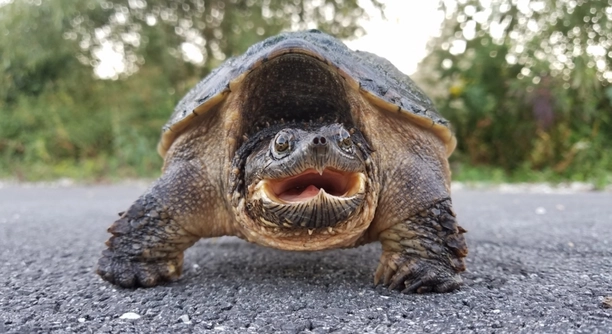
Common snapping turtles are fascinating pets, but sometimes their behavior can leave you wondering. One such behavior is their tendency to scratch the glass of their tank. Understanding the reasons behind this can help you care for them better.
The most common reason for a snapping turtle scratching the glass is frustration or a desire for more space. These turtles are naturally curious and often try to interact with their environment, including the walls of their enclosure.
Addressing this behavior requires looking into various factors like their habitat setup, tank size, and overall health. Proper adjustments can reduce their glass-scratching habits and improve their well-being.
Why Do Snapping Turtles Scratch the Glass?
Snapping turtles may scratch the glass for several reasons, with curiosity being one of the most common. These turtles are naturally inquisitive creatures, often exploring their surroundings by scratching at any barriers they encounter. If your turtle is scratching the glass, it’s trying to interact with its environment, seeking stimulation. This behavior may happen more often when the turtle feels confined or when it doesn’t have enough space to roam freely. Snapping turtles, particularly in captivity, tend to get restless if their tank is too small or if they feel isolated from their surroundings.
Sometimes, this behavior could also indicate a need for food. Snapping turtles are opportunistic feeders, and they might associate the glass with being near food, especially if you feed them in the area near their tank walls. Additionally, they may scratch in response to the sight of movement, like you walking by or other animals nearby.
Understanding why your turtle is scratching the glass is important in providing the right environment. If it’s a sign of boredom or stress, larger tanks, more enrichment, or even a change in diet could help.
Tank Size and Space
The size of your turtle’s tank plays a huge role in its behavior. If the tank feels cramped, your snapping turtle will likely try to escape or get attention through scratching.
A snapping turtle needs plenty of room to explore. A small tank can lead to increased stress and frustration, causing it to scratch the glass in search of a larger space. These turtles are active and like to move around, so providing enough room is essential. A tank that is too small not only makes the turtle scratch at the glass but also reduces its overall health and quality of life. A larger tank allows for more natural movement, keeping your turtle happy and reducing anxiety.
A proper tank setup with space for swimming, basking, and hiding is vital. The turtle’s behavior may improve with a tank that gives it freedom to engage in its natural activities. Additionally, a larger tank will make it easier to maintain proper water conditions, improving overall health.
Stimulation and Boredom
Snapping turtles are intelligent creatures that need mental and physical stimulation. Without it, they may resort to behaviors like scratching the glass. If their environment lacks variety, they may act out in frustration. The solution isn’t just about adding more space, but also providing enriching activities. This could include live plants, rocks, or even moving water features that mimic a natural habitat.
While snapping turtles are solitary, they still benefit from having things to interact with in their tank. Adding items that they can explore, like submerged logs or artificial caves, encourages them to move and explore. These activities help keep their minds active, reducing glass scratching. Regular changes in the tank layout can also keep the environment interesting and provide new challenges for your turtle. The key is to keep their habitat stimulating so they feel content and engaged.
Incorporating varied textures and objects into their environment will prevent your turtle from becoming bored. Regularly changing things around will create a more dynamic space, encouraging healthier and happier behavior.
Stress and Anxiety in Snapping Turtles
Just like any pet, snapping turtles can experience stress and anxiety. If they feel unsafe or threatened, they may scratch the glass as a sign of distress. This could be due to factors such as sudden loud noises, the presence of other pets, or even poor water quality. It’s essential to assess your turtle’s environment for signs of stress. If there’s a lot of activity near the tank, or if the turtle feels cornered, it might scratch at the glass in an attempt to escape or get attention.
Another source of stress is improper tank conditions. Poor water quality, such as high ammonia levels or unfiltered water, can irritate your turtle, making it scratch at the glass. Ensure the water is kept clean and filtered properly, and the temperature is consistent. Proper lighting and the option to bask are also crucial in maintaining a comfortable environment. Snapping turtles need both water and dry areas to thrive, and neglecting one or both can lead to stress.
By identifying sources of stress in your turtle’s environment, you can make simple adjustments to ensure it feels secure and calm in its space.
Tank Decorations and Hiding Spots
Adding decorations to your snapping turtle’s tank can help reduce glass scratching. Snapping turtles need places to hide and explore. Rocks, driftwood, and submerged plants provide opportunities for them to engage and feel safe. Without these, your turtle may resort to scratching the glass as a way to cope with a lack of stimulation or shelter.
A few well-placed decorations like logs or caves give your turtle a sense of security. When a turtle feels vulnerable or exposed, it’s more likely to scratch at the glass. Adding hiding spots or other forms of shelter can help them feel safe and encourage natural behaviors. You can also consider introducing a few live plants to mimic a more natural environment. These additions make the tank more visually stimulating and improve your turtle’s overall happiness.
Turtles enjoy interacting with their environment, and having various textures to explore reduces stress. A properly decorated tank encourages your turtle to stay active and engaged rather than focusing on the tank walls. By making the environment more enriching, you improve its mental and physical well-being.
Proper Diet and Feeding Habits
Feeding your snapping turtle correctly can influence its behavior. If your turtle is scratching the glass, it might be hungry or searching for food. Snapping turtles are opportunistic feeders, and they associate the area near the glass with meals. Ensuring your turtle receives a balanced diet can alleviate this issue.
A variety of food is important. Snapping turtles require protein, vegetables, and occasional fruits. Feeding them in a set routine, with a focus on high-quality food, will keep them healthy and reduce their urge to seek food in places like the tank walls. Offering food at regular times also helps them establish a sense of security and satisfaction.
Avoid overfeeding, as this can lead to health problems and still doesn’t address the behavior of scratching. Offering food in an area away from the tank’s glass may also help, directing their focus to a specific spot. A proper diet promotes their health and helps prevent unnecessary frustration.
Water Quality and Tank Maintenance
Clean water is crucial for your snapping turtle’s well-being. Poor water quality can cause irritation, stress, and behaviors like scratching. Regular water changes and filtration systems are key to maintaining a healthy environment. Dirty or stagnant water may be a major reason your turtle is restless and scratching.
To keep your turtle healthy, clean the water at least once a week. Make sure your tank has a good filter that can handle the size of the tank and the waste produced. Regular water testing for ammonia, nitrate, and pH levels ensures that the water stays in optimal condition for your turtle’s health.
The right water quality prevents skin problems, respiratory issues, and promotes overall well-being. A clean tank is also essential for reducing stress and preventing your snapping turtle from scratching the glass.
Tank Temperature
Temperature plays a major role in your snapping turtle’s health and behavior. Too hot or too cold water can cause stress, making your turtle act out, including scratching at the glass. A consistent, proper water temperature helps your turtle feel comfortable.
Make sure the water temperature stays between 72-78°F (22-26°C). If the water is too cold or too hot, your turtle may become agitated and more likely to scratch the glass in search of a more comfortable environment. A submersible heater can help maintain the correct water temperature, creating a more stable habitat for your turtle. Monitoring the temperature regularly is essential for maintaining the turtle’s comfort.
Lighting and Basking Areas
Proper lighting is essential for your snapping turtle. If they lack access to UVB light, they may become stressed and behave unusually. UVB lighting helps them metabolize calcium and maintains healthy shells. Lack of it might lead to abnormal behavior, including glass scratching.
Ensure your turtle has access to a basking area under UVB light. Place a heat lamp above the basking area so your turtle can regulate its body temperature. A well-lit basking area also encourages natural behaviors like sunbathing and resting. This can make a big difference in keeping your turtle healthy and content.
FAQ
Why does my snapping turtle scratch the glass?
Your snapping turtle may scratch the glass because it is either curious, frustrated, or stressed. Turtles are naturally inquisitive, and scratching at the glass could be a way of exploring their environment. If the tank feels small or lacks enrichment, they might scratch in search of more space or stimulation. They may also associate the glass with food or attention, especially if you tend to walk by or interact with the tank regularly.
How can I stop my turtle from scratching the glass?
First, ensure your turtle’s tank is large enough for it to move comfortably. Providing plenty of hiding spots, decorations, and things to explore can also reduce the need for your turtle to scratch. Try offering food in a specific area to shift its focus away from the glass. Regular tank maintenance, such as keeping the water clean and maintaining the right temperature, can also minimize stress and the desire to scratch.
Does my turtle scratching the glass mean it’s hungry?
It could be a sign that your turtle is hungry, especially if it associates the glass with feeding time. Snapping turtles are opportunistic feeders, and they often react to movement near the glass, thinking it might be food. To address this, feed your turtle in a specific area of the tank to help it recognize where food will appear.
How much space does a snapping turtle need?
A snapping turtle requires a tank that offers plenty of room for swimming and exploring. The general rule is a tank size of at least 40 gallons for one adult turtle. The larger the tank, the better, as it allows for more natural movement and reduces the likelihood of stress. Providing additional space can help decrease the scratching behavior.
Can poor water quality cause my turtle to scratch the glass?
Yes, poor water quality can lead to skin irritation, discomfort, and stress, all of which might contribute to scratching the glass. Snapping turtles need clean water to thrive. Regular water changes and the use of a good filtration system are necessary to maintain optimal conditions and minimize the chance of stress-related behaviors like scratching.
How often should I change the water in my turtle’s tank?
Water should be changed at least once a week, depending on the size of your tank and the number of turtles you have. If your turtle produces a lot of waste, or if the water appears cloudy, you may need to change it more frequently. Regular water testing for ammonia, nitrates, and pH levels is also important to ensure water quality.
Is scratching the glass a sign of boredom?
Yes, scratching the glass can be a sign that your turtle is bored and looking for stimulation. Snapping turtles need mental and physical engagement. Without it, they may begin to scratch at the glass as a way of expressing frustration. You can help alleviate boredom by adding decorations, plants, or hiding spots, and by regularly changing up the tank setup to keep it interesting.
How can I make my turtle’s environment more stimulating?
To make your turtle’s environment more engaging, add various textures, rocks, plants, and logs. Snapping turtles like to explore and interact with their surroundings, so providing them with things to climb, hide under, or swim through can help reduce the need for glass scratching. You can also rotate objects occasionally to keep the environment fresh and interesting.
Should I add a heater to my turtle’s tank?
Yes, adding a heater is essential if the water temperature in the tank fluctuates too much. Snapping turtles prefer water temperatures between 72-78°F (22-26°C). A consistent temperature helps prevent stress, which could lead to scratching. A submersible heater can maintain a stable environment, making your turtle more comfortable and less likely to scratch the glass.
Does scratching the glass indicate that my turtle is sick?
Scratching the glass is generally not a sign of illness, but if it is accompanied by other signs like lethargy, poor appetite, or abnormal behavior, it may indicate a health issue. Illness can lead to stress, which in turn may cause scratching. If you notice other concerning symptoms, consult a vet to rule out any health problems.
Can the lighting in the tank affect my turtle’s behavior?
Yes, improper lighting can lead to stress and behavioral issues in snapping turtles. They need both UVA and UVB light to maintain healthy bones and shells. UVB light helps them process calcium, and a lack of it can cause shell deformities and other health issues. A proper basking area with appropriate lighting will help keep your turtle healthy and reduce scratching.
How can I tell if my turtle is stressed?
Stress in a snapping turtle can manifest in several ways, including glass scratching, hiding more than usual, loss of appetite, or increased aggression. Stress can be caused by poor water quality, lack of space, inappropriate temperature, or a lack of stimulation. Observing your turtle’s behavior and environment can help identify the source of stress.
Does tank size affect my turtle’s scratching behavior?
Yes, the size of your turtle’s tank plays a big role in its behavior. A cramped tank can make your snapping turtle feel restricted and stressed, leading to more scratching at the glass. A larger tank allows for more freedom to swim and explore, which can reduce the need for scratching. Providing enough space for your turtle to thrive is one of the best ways to minimize this behavior.
What is the best type of filter for a snapping turtle tank?
A good filter for a snapping turtle tank should be able to handle the waste produced by the turtle and maintain clean water. Canister filters or external filters are often the best options because they provide strong filtration and help keep the water clear. Choose a filter rated for a tank size larger than your current setup to ensure it works efficiently.
Can I use live plants in my turtle’s tank?
Yes, live plants can be a great addition to your turtle’s tank. They provide hiding spots, help maintain water quality, and offer natural stimulation for your turtle. However, be cautious as snapping turtles may sometimes uproot or damage plants. Choose sturdy, aquatic plants like anubias or java fern that can tolerate the turtle’s movements.
Should I add any extra accessories to my turtle’s tank to help with scratching?
Adding extra accessories such as floating platforms, basking docks, and textured surfaces can encourage your turtle to engage with its environment in a more natural way. These additions offer stimulation and reduce the chance of your turtle scratching the glass. Ensure that the tank is decorated with a variety of textures to provide mental and physical enrichment.
Final Thoughts
Understanding why your snapping turtle scratches the glass can help you make simple changes to improve its environment. Most often, this behavior stems from boredom, frustration, or the need for more space. Snapping turtles are curious creatures, and they explore their surroundings in any way they can, even if that means scratching at the tank walls. If your turtle seems to be scratching a lot, it may be signaling that its environment isn’t quite meeting its needs. A tank that is too small, lacks hiding spots, or has insufficient enrichment can all lead to this behavior. Addressing these factors can make a big difference in your turtle’s overall well-being.
One of the first things to check is the size of the tank. A snapping turtle needs room to swim, explore, and feel secure. If the tank is too small, it may be causing stress. Providing hiding spots, rocks, logs, and other decorations also helps your turtle feel safe and less likely to engage in glass-scratching behavior. Snapping turtles are solitary by nature, so creating an environment that gives them opportunities to interact with their surroundings will encourage more natural behavior. Adding live plants and changing up the tank layout from time to time can further reduce boredom and frustration.
In addition to tank size and decorations, maintaining proper water quality and temperature is essential. Poor water conditions can lead to stress, causing your turtle to scratch or show other signs of distress. Regularly cleaning the tank, testing the water, and making sure the temperature is within the right range will help keep your snapping turtle healthy and comfortable. With the right care and environment, your turtle will feel more secure and content, and the glass-scratching behavior will likely decrease. By paying attention to the needs of your turtle, you can ensure a better quality of life for your pet.

Hello,
If you enjoy the content that we create, please consider saying a "Thank You!" by leaving a tip.
Every little bit helps us continue crafting quality advice that supports the health, happiness, and well-being of pets around the world, for pets of all shapes, sizes, and species.
We really appreciate the kindness and support that you show us!