
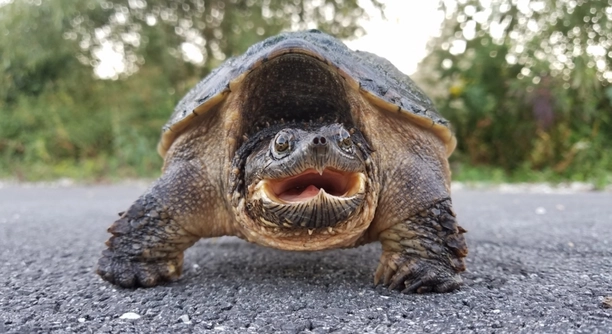
Common snapping turtles are fascinating creatures, but they can exhibit odd behaviors that may cause concern for their owners. One such behavior is scraping their shells against objects in their environment, including heaters.
Your turtle’s shell scraping could be due to various factors, such as the need to shed old skin, irritants in the tank, or an attempt to reach a warmer spot. Understanding the root cause can help address the behavior.
These behaviors may be more common than you think and understanding the reasons behind them can guide you toward making your turtle more comfortable and ensuring its health.
Possible Reasons for Shell Scraping
Turtles are naturally curious creatures, and shell scraping is often a sign that something in their environment is causing them discomfort or distress. When your snapping turtle scrapes its shell against the heater, it may be trying to adjust its position or find a more comfortable spot. Temperature imbalances are a common issue, especially in tanks with inadequate heating or improper water temperatures. It’s important to ensure your heater is functioning correctly, as an overly warm or cold spot can cause your turtle to act out. Additionally, turtles may scrape their shells to rid themselves of dirt, algae, or old skin, which they naturally shed. This behavior might be more pronounced if the water isn’t clean enough, causing them to seek out surfaces to help with the shedding process.
Regular tank maintenance and ensuring proper water temperature will minimize this behavior. Make sure your heater is calibrated to provide a consistent warmth throughout the tank. A thermometer placed in the tank can help you monitor temperature fluctuations.
If the scraping persists, it could be a sign that your turtle is dealing with more than just temperature issues. It may indicate stress, health problems, or even boredom. Keeping the environment calm and clean will go a long way in helping to resolve the issue.
Keeping Your Tank Properly Heated
A consistent water temperature is key to your turtle’s comfort. Snapping turtles prefer water temperatures between 72°F and 78°F, with slight adjustments depending on the specific species.
If the heater in your tank is malfunctioning, your turtle will naturally attempt to regulate its body temperature by scraping its shell on nearby surfaces. A faulty or poorly calibrated heater can cause water to fluctuate in temperature, making your turtle feel uncomfortable. Too hot or too cold, and the behavior becomes more frequent as they seek a better spot. It’s important to place the heater in an area where the water is evenly heated, without creating “hot spots” that can make the turtle feel uneasy.
The Importance of Tank Cleanliness
A clean tank environment is crucial for your turtle’s health and well-being. If algae or waste build up, it can lead to discomfort, prompting your turtle to scrape its shell on surfaces to clean itself.
The water quality directly impacts your turtle’s behavior. Dirty water can lead to irritation on its shell, causing it to scrape against heaters or tank walls. Regular water changes and cleaning the substrate will help reduce this behavior. A filter should also be in place to keep the water clean and clear.
Additionally, scrapes and scratches can form on your turtle’s shell if the water is not regularly cleaned, which can make your turtle uncomfortable. This could contribute to its shell-scraping behavior. You should aim to clean the tank at least once a week, ensuring the water stays clear of debris and excess food. A clean, well-maintained tank will keep your snapping turtle happier and healthier.
Stress or Boredom
If your snapping turtle is frequently scraping its shell, stress or boredom could be the underlying issue. A lack of stimulation or a noisy environment can lead to behaviors like shell scraping.
Snapping turtles are active animals and need space to roam, especially if kept in captivity. A small tank or a lack of environmental enrichment can lead to restlessness. It’s important to provide hiding spots, rocks, and other objects for the turtle to explore. These items help mimic their natural environment and prevent boredom.
Overcrowding in the tank can also contribute to stress. If there are too many turtles in one space, they may start exhibiting abnormal behaviors, including shell scraping. If your turtle is alone, make sure it has plenty of space and objects to interact with.
Shell Health and Maintenance
Shell health plays a significant role in your snapping turtle’s behavior. If its shell is damaged or unhealthy, it may scrape it against various surfaces to alleviate discomfort.
Turtles need proper calcium intake to maintain strong, healthy shells. A lack of calcium can cause their shells to weaken, leading to scraping behaviors. Ensuring your turtle gets the right nutrition and sunlight exposure is essential for shell maintenance.
Additionally, regular observation for any visible signs of shell rot or injury is necessary. Treating any damage or infections early will prevent further discomfort and shell-scraping behavior.
Water Depth and Substrate
Water depth and substrate can influence how your turtle moves and behaves in its tank. Shallow water can cause it to scrape against surfaces more frequently.
A proper depth of water allows your turtle to move naturally, and it can also help with shell maintenance. Ensure the water is deep enough for your turtle to submerge and swim freely without scraping on the bottom or heater.
A soft substrate, like sand or fine gravel, can provide a comfortable environment for your turtle to move without risking injury to its shell. Consider adding this to encourage more natural movement.
Tank Size
A tank that is too small can restrict your snapping turtle’s movements and increase the chances of scraping.
Providing your turtle with enough space to roam will reduce the likelihood of shell scraping. A spacious tank encourages healthy behaviors and provides room for your turtle to explore.
FAQ
Why does my snapping turtle scrape its shell on the heater?
Turtles often scrape their shells against heaters due to temperature imbalances in their tanks or because they are shedding old skin. The heat source may also cause discomfort if it’s too hot or cold in the tank. It could also be a sign that the turtle is trying to find a more comfortable spot. Ensuring that the water temperature is stable and falls within the optimal range (72°F to 78°F) will help reduce this behavior. Additionally, check for other possible irritants, such as dirty water or unclean surfaces.
How can I stop my turtle from scraping its shell?
To prevent shell scraping, ensure your turtle has an environment that mimics its natural habitat. This includes providing the proper tank size, water temperature, depth, and a clean environment. Regular water changes and tank maintenance will help remove irritants that may lead to scraping. If the behavior persists, consider adding more enriching items like rocks and plants for the turtle to interact with, which can alleviate boredom.
Can my turtle hurt itself by scraping its shell on the heater?
Yes, there is a risk that your turtle can hurt itself by scraping its shell, especially if the heater has rough surfaces or if the scraping is aggressive. Prolonged scraping can also lead to abrasions or scratches on the shell, potentially increasing the risk of infection. To reduce this, ensure the heater is smooth and positioned away from places where the turtle frequently swims or rests.
Is it normal for my snapping turtle to scrape its shell frequently?
Occasional shell scraping is normal, especially if the turtle is shedding or adjusting to its surroundings. However, if the behavior becomes frequent or persistent, it could indicate an underlying problem, such as improper water temperature, stress, or poor water quality. Observing your turtle’s behavior and environment will help you determine the cause. If the scraping continues, it may be worth consulting a vet.
How can I tell if my turtle’s shell is unhealthy?
To check for shell health, look for any signs of discoloration, cracks, soft spots, or peeling. An unhealthy shell might also have a foul smell, which could be an indication of shell rot. If your turtle’s shell feels soft or unusually fragile, it might be suffering from calcium deficiency. Ensuring your turtle has a proper diet, with enough calcium, and exposure to sunlight or UVB light will help maintain a healthy shell.
How can I prevent shell rot in my turtle?
Shell rot is preventable by maintaining a clean tank, ensuring proper water conditions, and offering a balanced diet. Regular water changes, proper filtration, and removing waste will reduce the risk of bacteria buildup that can cause shell rot. If you notice any unusual signs, such as soft spots, foul odor, or visible cracks, seek prompt veterinary care to prevent further damage.
What type of food should I feed my snapping turtle for a healthy shell?
A diet rich in calcium is essential for a healthy shell. Offer a variety of foods like leafy greens, calcium supplements, and protein sources such as insects or small fish. You may also want to add some cuttlebone or calcium blocks to the tank to help with calcium intake. A balanced diet ensures your turtle has the nutrients it needs to maintain a strong and healthy shell.
Does my turtle need a UVB light for a healthy shell?
Yes, a UVB light is important for your turtle’s health. UVB light helps your turtle metabolize calcium, which is crucial for maintaining a strong shell. Without proper UVB lighting, your turtle may suffer from metabolic bone disease, which can weaken its shell. Be sure to provide a UVB light source for 10-12 hours a day to mimic natural sunlight.
Can a dirty tank cause my turtle to scrape its shell?
Yes, a dirty tank can cause discomfort and irritate your turtle’s skin and shell. The buildup of waste, algae, or leftover food can lead to your turtle attempting to scrape its shell to relieve irritation. Keeping the tank clean will help avoid this behavior and improve your turtle’s overall health. Regular water changes and tank cleaning should be part of your routine.
What should I do if my turtle is still scraping its shell despite having a clean tank?
If your turtle continues scraping its shell despite a clean tank, there may be other factors at play, such as stress, boredom, or an underlying health issue. Review the tank conditions, including temperature, water depth, and space. Providing enrichment, like hiding spots or tank decorations, can help alleviate boredom. If the problem persists, it’s worth consulting a vet to rule out any health concerns.
Is it safe to put decorations in my turtle’s tank?
Yes, decorations like rocks, plants, and logs are great additions to your turtle’s tank. They provide enrichment, help your turtle feel more secure, and give it areas to explore. However, be sure that the decorations are smooth and free from sharp edges that could harm your turtle’s shell. Regularly inspect the tank to ensure that decorations are safe.
How can I reduce stress for my turtle?
Reducing stress for your turtle involves maintaining a stable environment. Ensure that the water temperature, depth, and tank size are appropriate. Providing hiding spots, plants, and rocks for your turtle to explore can also reduce stress and encourage natural behaviors. Avoid sudden changes in the environment and minimize noise around the tank to create a calm setting.
What are the signs that my turtle is stressed?
Signs of stress in turtles include excessive scratching, aggression, hiding, or refusal to eat. Stress can also lead to abnormal behaviors like shell scraping, which may be the result of feeling insecure in the tank. If your turtle exhibits these behaviors, try to address environmental issues or consult a vet for further advice.
Final Thoughts
It is important to understand that shell scraping in snapping turtles can be caused by various factors, from environmental conditions to health concerns. While occasional scraping might not be a cause for alarm, persistent or frequent scraping could indicate that something is wrong. The key is to pay attention to the overall health and environment of your turtle, ensuring that it has a comfortable, safe, and clean space to thrive. Addressing issues like water temperature, tank size, and food intake can go a long way in preventing discomfort and unwanted behaviors.
A healthy shell is crucial for your turtle’s well-being, and it requires proper care and attention. Providing adequate calcium, ensuring proper UVB lighting, and maintaining a clean tank are essential steps to prevent shell issues. Additionally, monitoring the turtle for signs of injury or infection is crucial. If the scraping becomes excessive or your turtle shows signs of injury, it is important to seek professional help from a veterinarian. Catching problems early can prevent more serious health issues from developing and help your turtle recover faster.
In the end, the behavior of your snapping turtle can be managed by making adjustments to its environment and care routine. Regular observation of its behavior, tank conditions, and health can help you spot any problems early. With the right approach, you can ensure that your turtle lives a healthy and happy life. By creating an environment that mimics its natural habitat and addressing any concerns promptly, you can reduce the chances of shell scraping and provide the care it needs for a long, healthy life.

Hello,
If you enjoy the content that we create, please consider saying a "Thank You!" by leaving a tip.
Every little bit helps us continue crafting quality advice that supports the health, happiness, and well-being of pets around the world, for pets of all shapes, sizes, and species.
We really appreciate the kindness and support that you show us!