
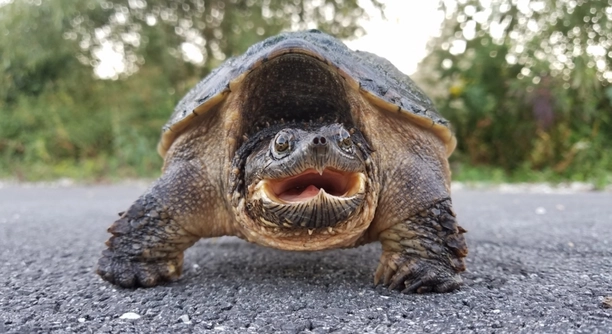
Common snapping turtles are fascinating creatures, but it can be frustrating when they keep running into the glass of their tank. Understanding the behavior behind this action can help improve their environment and overall well-being.
Turtles may repeatedly run into glass due to their natural instincts, mistaking it for open space. They are often attracted to movement, light, and reflections. This behavior may indicate the need for a more stimulating and secure environment.
Addressing the reasons behind this behavior can enhance your turtle’s habitat and reduce stress. Creating a more natural environment can improve their quality of life.
Understanding the Behavior Behind the Glass Running
It’s important to remember that snapping turtles are naturally curious animals. Their instinct is to explore their environment, which often leads them to mistake the glass for an open area. They might see reflections or movements outside the tank, sparking their interest and causing them to repeatedly try to reach what they believe is an exit or food source. This behavior is common, especially in confined spaces where turtles do not have the natural cues they would in the wild to understand their surroundings. Over time, this constant running into the glass can lead to stress and frustration for the turtle.
It’s easy to see why a turtle might become fixated on the glass. A tank can feel like a small, contained space, and the glass barrier can seem like a physical obstruction in their path.
One way to reduce this behavior is to adjust the tank’s setup. Adding plants, rocks, or other hiding spaces can help create a more natural environment that gives the turtle something to focus on other than the glass. Additionally, it may help to place the tank in a location where outside reflections are minimized. Adjusting the lighting in the room can also reduce the visual distractions that lead to this behavior. Over time, these changes can help your turtle feel more secure and less likely to run into the glass.
Creating a More Natural Habitat
By offering more environmental enrichment, you can encourage your turtle to explore in healthier ways. Having objects that mimic their natural surroundings will provide more stimulation, decreasing the chances of them fixating on the glass.
Providing various substrates, like sand or gravel, can also make your turtle feel more at home. In the wild, snapping turtles often move through different types of terrain, so replicating that in the tank helps fulfill some of their basic instincts.
Reducing Stress for Your Snapping Turtle
Stress can make your snapping turtle’s behavior worse, leading to more glass-running. The key is to create an environment that minimizes stress factors. Loud noises, too much handling, or a tank that’s too small can all contribute to anxiety.
A quiet, calm environment helps turtles feel safe. Avoid loud music or sudden movements around the tank. Ensuring the tank is large enough for the turtle to move around comfortably also plays a significant role in their stress level. You should make sure the water is clean and the temperature is ideal for your turtle’s species. Providing a proper basking area allows your turtle to feel secure in their space.
Another important factor is to avoid overfeeding, as excess food can lead to water quality problems and stress. Snapping turtles are scavengers by nature, so giving them appropriate portions of food at regular intervals will help keep them calm. When the environment is stable and properly managed, your turtle’s stress will likely decrease, reducing the urge to run into the glass.
Environmental Enrichment: A Crucial Element
Environmental enrichment is key to a happy and healthy turtle. Snapping turtles are curious and active creatures that benefit from a tank designed to stimulate them.
Adding variety to their environment by introducing rocks, logs, and aquatic plants can keep your turtle engaged. These elements encourage natural behaviors, such as foraging, basking, and hiding. You can also include a few different water depths to mimic the varied environments they encounter in the wild. A good rule of thumb is to provide enough room for the turtle to explore, climb, and hide comfortably.
Rotating tank decorations and adding new objects every so often can prevent your turtle from growing bored. Over time, this will help alleviate their glass-running behavior.
Tank Placement Matters
Where you place your turtle’s tank can have a significant impact on their behavior. Too much sunlight or activity around the tank can lead to stress and more glass-running.
Choose a quiet, dimly lit spot away from high-traffic areas. This will help reduce distractions and give your turtle a sense of security.
Proper Tank Size and Setup
Snapping turtles require ample space to move freely. A tank that is too small can cause frustration and lead to repetitive behavior, like running into the glass.
Make sure the tank is large enough to accommodate your turtle’s size and growth potential. Providing a tank that mimics their natural environment as closely as possible can help reduce unwanted behaviors.
Consistent Feeding Schedule
A consistent feeding schedule helps create stability in your turtle’s life. Overfeeding or irregular feeding can cause stress and impact their behavior.
Stick to a regular feeding routine to reduce stress. Offer fresh food, avoid overfeeding, and keep the water clean to maintain a healthy environment.
FAQ
Why does my turtle keep running into the glass?
Turtles often mistake the glass for open space due to their curiosity and natural instinct to explore. The reflections, movements, and lighting can confuse them into thinking there’s an exit or food source outside their tank. It’s a common behavior, especially in small or poorly decorated tanks that lack stimuli to engage the turtle.
How can I stop my turtle from running into the glass?
To reduce this behavior, you should provide a more stimulating environment. Adding plants, rocks, and logs gives your turtle something to focus on besides the glass. You can also reduce reflections by adjusting the lighting or moving the tank to a different location. Ensuring the tank is large enough and has hiding spaces can help as well.
Does the size of the tank matter for my turtle’s behavior?
Yes, tank size plays a significant role in your turtle’s behavior. A tank that’s too small can lead to frustration, which can manifest in behaviors like running into the glass. A spacious tank allows your turtle to move freely, explore, and find areas where they can hide, ultimately reducing stress and unwanted behaviors.
Can stress affect my turtle’s behavior with the glass?
Stress is a major factor that can contribute to your turtle running into the glass. Factors like too much handling, noisy surroundings, or a cramped tank can make your turtle feel anxious. Creating a calm and secure environment will help reduce stress and, in turn, lessen the likelihood of this behavior.
How can I make my turtle feel more secure in its tank?
To make your turtle feel more secure, focus on providing environmental enrichment and stability. Adding hiding spots, such as rocks or plants, can help your turtle feel protected. Avoid disturbing your turtle too much, and place the tank in a quiet, low-traffic area to create a sense of safety.
Is my turtle’s glass-running behavior a sign of boredom?
Yes, turtles often engage in glass-running because they are bored or not properly stimulated. In their natural habitat, they would be constantly moving, searching for food, or exploring. If their environment lacks interesting features, they may fixate on the glass as a way to alleviate boredom. Adding new objects and varying the tank layout can help.
How often should I change the decorations in my turtle’s tank?
Changing the decorations every few months can help keep your turtle engaged. Snapping turtles are intelligent and curious, so adding variety to their environment will prevent boredom. You can also rotate decorations more frequently to give your turtle new areas to explore. This will reduce the tendency to focus on the glass.
Can I use a background for my turtle’s tank to stop the glass-running?
Yes, a background can help reduce reflections and make the glass less noticeable. A simple black or natural-colored background will prevent your turtle from becoming distracted by outside reflections. This can be especially useful if your tank is placed in a well-lit room or near windows.
Should I be concerned if my turtle is constantly running into the glass?
While it’s not uncommon for turtles to run into the glass, constant behavior may indicate stress or boredom. If your turtle is frequently displaying this behavior, it’s essential to reassess its tank environment. Making changes to the layout, lighting, and overall setup will help reduce stress and improve your turtle’s well-being.
Can my turtle hurt itself from running into the glass?
Repeatedly running into the glass can potentially harm your turtle, especially if it’s a young or smaller turtle with softer shells. It can cause stress fractures or bruising. Ensuring the tank is spacious, well-decorated, and placed in a low-traffic area will help reduce the likelihood of injury.
What kind of lighting should I use for my turtle’s tank?
Lighting is crucial in creating a healthy and comfortable environment for your turtle. You should have both UVB lighting to help with calcium absorption and heat lamps to regulate the temperature. Try to avoid using bright lights or placing the tank where it gets direct sunlight, as this can cause unwanted reflections and contribute to glass-running.
Is it normal for a snapping turtle to be more active at certain times of day?
Yes, snapping turtles are generally more active during dawn and dusk. This is their natural feeding and exploration period. However, this doesn’t mean they should be constantly running into the glass during these times. Providing a varied environment and reducing distractions will help manage this behavior during their active periods.
What can I do if my turtle’s behavior doesn’t improve?
If your turtle continues to run into the glass despite your best efforts, it may be helpful to seek advice from a reptile vet. They can help identify if there’s an underlying health issue or offer further suggestions for improving the environment. Consistently reviewing and adapting the tank setup can lead to a significant reduction in this behavior.
Final Thoughts
When your common snapping turtle keeps running into the glass, it can be frustrating, but it’s important to remember that this behavior is not uncommon. Turtles are naturally curious creatures, and they often explore their surroundings by moving around their environment. However, when they are in a tank with glass walls, they can easily get confused by reflections or the view of the outside world. This can make them believe there is an exit or a source of food just beyond the glass, prompting them to try and reach it. Understanding this behavior and taking steps to address it can help ensure your turtle’s well-being.
Creating a comfortable and stimulating environment for your turtle is key to reducing this behavior. A properly sized tank with plenty of space to roam, explore, and hide can make a big difference. Adding decorations like rocks, plants, or logs can provide both mental and physical stimulation. These features mimic their natural habitat, which helps reduce the likelihood of repetitive behaviors like running into the glass. Additionally, controlling the lighting in the tank and minimizing reflections can help prevent confusion. Ensuring that the tank is located in a quiet, low-traffic area of your home can also reduce the distractions that may contribute to the glass-running.
Taking the time to adjust your turtle’s environment, along with maintaining a regular feeding schedule and ensuring the tank is kept clean, will greatly improve its overall health and happiness. If these changes don’t seem to work and the behavior persists, consulting with a reptile veterinarian can offer further guidance. With patience and care, you can help your snapping turtle feel more at ease in its tank and prevent it from engaging in unnecessary and potentially harmful behaviors.

Hello,
If you enjoy the content that we create, please consider saying a "Thank You!" by leaving a tip.
Every little bit helps us continue crafting quality advice that supports the health, happiness, and well-being of pets around the world, for pets of all shapes, sizes, and species.
We really appreciate the kindness and support that you show us!