
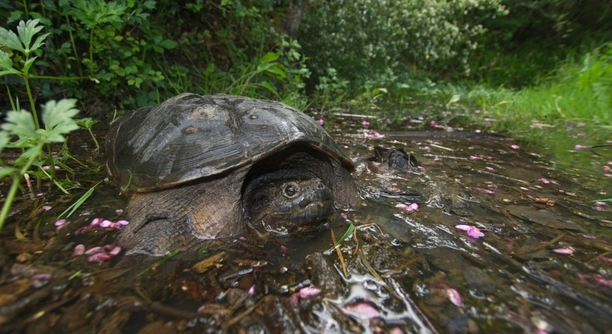
Turtles are fascinating creatures, but sometimes their behavior can be puzzling. If you’ve noticed your common snapping turtle biting the air, you may be wondering what could be causing this odd action.
The behavior of snapping turtles biting the air is often a sign of frustration, hunger, or a response to environmental stressors. It can also be linked to their hunting instincts, where they may react to perceived movement or disturbances.
Understanding this behavior can help you ensure your turtle’s well-being. There are several factors to consider when addressing this habit and making sure your turtle stays healthy and happy.
Why Does My Snapping Turtle Bite the Air?
A snapping turtle’s behavior of biting the air may initially seem odd, but it can often be traced to a few common reasons. Turtles, like many animals, communicate and react to their environment through instinctive behaviors. In the case of snapping turtles, biting the air is often tied to hunting instincts, frustration, or simple curiosity. It may look strange to us, but to the turtle, this is a natural response. These reptiles have powerful jaws that are designed to catch prey, and they sometimes act out their predatory behavior even in the absence of food.
It is important to consider the environment. If a turtle feels confined or stressed, it may engage in this biting action as a form of coping. This behavior may be exacerbated by a lack of stimulation or space. If the turtle’s habitat does not allow for adequate movement or exploration, they may turn to the air as a way of acting out.
Understanding your turtle’s space and how it affects its mental and physical health is key. If you notice this behavior regularly, it’s a good idea to review the environment and diet. Ensure that your turtle has enough space to move around and explore. You may also want to consider providing enrichment, such as hiding food or offering new objects to interact with. Addressing the stressors in your turtle’s life can help reduce this air-biting behavior and keep your pet calm and healthy.
Common Causes of Air Biting in Snapping Turtles
Air biting can also be linked to hunger or a desire for food. Snapping turtles are opportunistic feeders, meaning they are always on the lookout for their next meal. If your turtle is not getting enough food, or if it is not being fed regularly, it may act out by snapping at anything that moves, including the air. This can happen when they are simply trying to catch what they perceive as potential prey, even if no food is present.
In some cases, a snapping turtle may bite the air when it is frustrated. Snapping turtles are solitary animals and can be territorial. If they are housed in an environment where they cannot roam freely or have enough space to thrive, they may express this frustration through snapping or air-biting behaviors. When turtles feel restricted or stressed, they may become more agitated and display actions like air biting.
If your snapping turtle’s behavior continues despite improving its diet or environment, it may be helpful to consult with a veterinarian. They can assess if there are any underlying health concerns or behavioral issues.
Is Your Snapping Turtle Hungry?
If your snapping turtle is regularly biting the air, hunger may be the reason. These reptiles are constantly looking for food, and their strong hunting instincts can drive them to snap at anything they perceive as potential prey. In some cases, this may even include air.
Turtles can go through phases where they seem constantly hungry. If they’re not getting enough food or the right type of food, their natural instincts might cause them to bite at whatever catches their attention. They often act out by snapping at movement, whether real or imagined. It’s a good idea to assess their diet to ensure they are being fed adequately. Offering a variety of food, like insects, fish, or leafy greens, will help satisfy their appetite and reduce this air-biting behavior.
It’s also important to consider how frequently you’re feeding them. Snapping turtles don’t need to eat every day, but they do require a balanced diet. If your turtle is not eating enough or if their meals are too small, it could lead to frustration and abnormal behaviors like biting the air. Make sure their diet matches their age, size, and activity level to ensure their health.
Snapping Turtles and Stress
Stress can significantly impact a snapping turtle’s behavior. When stressed, turtles can become agitated and may bite at the air or exhibit other unusual actions. Stress can stem from various factors such as confinement, lack of environmental enrichment, or even too much handling.
A common cause of stress in snapping turtles is inadequate space. If their enclosure is too small or lacks hiding spots, they may feel trapped. This can lead to frustration and result in air-biting. Another factor is the water quality. Dirty water or unsuitable temperatures can contribute to stress, which may cause your turtle to act out. Regular maintenance of their environment is necessary to reduce stress.
Providing more space, hiding spots, and ensuring clean water are key steps in reducing stress. Also, avoid handling them too much, as turtles are not social animals and may feel overwhelmed by excessive interaction. By making these changes, you can help minimize the biting behavior and promote a calmer, happier turtle.
Is Your Snapping Turtle Sick?
If your snapping turtle’s behavior seems off and they are biting the air more frequently, illness could be a factor. When a turtle is unwell, it may exhibit unusual behaviors like biting or snapping at nothing.
Turtles can act differently when they’re not feeling well, and the air-biting could be a sign of discomfort. Common health issues like respiratory infections, parasites, or even injuries might trigger such behaviors. If your turtle is showing signs of lethargy, lack of appetite, or any changes in its appearance, it’s time to get them checked by a vet.
Changes in Diet or Habitat
Changes in your snapping turtle’s diet or habitat can lead to unexpected behaviors, including air-biting. A sudden shift in their environment, like a new tank setup or change in water conditions, can create stress.
Any alterations in food or water quality may cause discomfort and lead to aggressive actions. Ensure your turtle’s tank has the right conditions, such as clean water and appropriate temperature. Also, stick to a consistent feeding schedule with food that meets their nutritional needs.
FAQ
Why is my snapping turtle snapping at the air?
Your snapping turtle may be snapping at the air due to frustration, hunger, or even stress. Turtles, especially snapping turtles, are natural predators with strong instincts. If they aren’t getting enough food, they may bite at anything that moves, even if it’s just the air. Additionally, if they feel confined or stressed in their environment, they could display this behavior as a reaction to feeling trapped or overwhelmed. It’s also possible they’re reacting to perceived movement, something their sharp instincts detect even when no prey is present.
How can I stop my snapping turtle from biting the air?
To reduce the air-biting behavior, start by reviewing your turtle’s environment and diet. Make sure your turtle has enough space to move around and explore. Provide hiding spots and clean water to help reduce stress. If the turtle is hungry, try offering a variety of foods. Snapping turtles also need proper lighting and a suitable basking area. If the environment is not ideal, they might act out. Additionally, ensuring your turtle is eating enough will help curb hunger-related snapping. Consider consulting with a vet if you suspect a health problem.
Can a snapping turtle’s air-biting be a sign of illness?
Yes, air-biting can sometimes be a sign that your snapping turtle isn’t feeling well. If a turtle is sick, it may behave differently, including snapping at nothing or biting the air. Health issues like respiratory infections, parasites, or even injury can cause a turtle to act out of the ordinary. Look for other signs of illness, such as lethargy, changes in eating habits, swollen eyes, or abnormal shell appearance. If you notice these symptoms alongside air-biting, it’s essential to take your turtle to a vet for an evaluation.
How much food should I feed my snapping turtle?
Feeding your snapping turtle the right amount of food is crucial for its health and behavior. Juvenile snapping turtles need to be fed more frequently than adults, typically 3-4 times a week. Adult turtles can be fed every other day or 2-3 times a week. Their diet should consist of a variety of proteins, like fish, insects, and worms, as well as leafy greens and some fruits. Overfeeding can lead to obesity, and underfeeding may cause hunger-driven behaviors like air-biting. Keep their meals balanced and ensure they have access to fresh, clean water at all times.
Could stress be causing my snapping turtle to bite the air?
Yes, stress is a common cause of air-biting behavior in snapping turtles. These reptiles can become stressed by environmental factors such as too-small enclosures, dirty water, or inadequate temperature. If a snapping turtle feels cornered or does not have enough room to move around, it may react by snapping at anything, including air. Other stressors could include too much handling, loud noises, or other animals in the same tank. To reduce stress, ensure your turtle has a comfortable, spacious habitat with plenty of hiding spots and a consistent, clean environment.
What can I do if my snapping turtle is still biting the air?
If your snapping turtle continues to bite the air despite changes to its diet and habitat, it may be time to look deeper into its behavior. Monitor the water quality, temperature, and cleanliness in the tank. Consider increasing the size of the tank or adding more enrichment. Snapping turtles can also get bored, so try providing new objects to interact with or hiding food to encourage natural hunting behavior. If the behavior persists or if you notice other signs of distress, seek advice from a vet. A professional can help rule out any underlying health issues.
Is air-biting a natural behavior for snapping turtles?
Air-biting is a natural behavior for snapping turtles to some extent. These turtles have strong hunting instincts, and they will often react to movements in their environment. However, if the snapping becomes frequent or seems excessive, it may be due to other factors like hunger, stress, or poor environmental conditions. In the wild, snapping turtles use their powerful jaws to catch prey, and this instinct doesn’t go away in captivity. They may snap at the air when they sense movement or if they are frustrated by their inability to find food.
How can I tell if my snapping turtle is healthy?
A healthy snapping turtle will have clear eyes, a clean and hard shell, and will be active and alert. Healthy turtles typically bask regularly, eat a balanced diet, and move freely in their enclosure. If your turtle is lethargic, has discharge from its nose or eyes, or refuses food, these may be signs of illness. You should also regularly check for signs of shell rot or other skin issues. A healthy turtle is generally well-balanced and doesn’t exhibit odd behaviors like excessive air-biting unless something is wrong.
Can I prevent my snapping turtle from getting stressed?
Yes, you can prevent stress in your snapping turtle by maintaining an ideal habitat. Ensure that the tank is large enough for your turtle to move around comfortably. Keep the water clean and the temperature consistent. Avoid overcrowding the tank with other animals, as this can create stress. Provide hiding spots and basking areas to allow your turtle to feel secure. Minimize handling to avoid causing unnecessary stress. A well-maintained, quiet, and spacious environment will help keep your snapping turtle healthy and less likely to bite the air out of frustration.
Final Thoughts
Air-biting in snapping turtles can be a puzzling behavior, but it’s usually tied to a few common factors like hunger, stress, or even boredom. Understanding your turtle’s environment and needs can help reduce this behavior. When snapping turtles feel stressed or confined, they may resort to snapping at the air, trying to act out their natural instincts in a way that doesn’t involve actual prey. If your turtle is frequently snapping at the air, it’s a good idea to take a closer look at its living conditions. Make sure the enclosure is large enough for your turtle to move freely, with clean water and a balanced diet. The more you can replicate the conditions they would have in the wild, the less likely they are to express frustration through air-biting.
Hunger is another major factor in this behavior. Snapping turtles have strong hunting instincts, and when they’re hungry, they may snap at anything they perceive as food, even if it’s just the air. Offering a variety of food sources, including insects, fish, and leafy greens, will help meet their dietary needs and curb hunger-driven snapping. It’s also important to make sure you’re feeding your turtle the right amount. Too little food may cause frustration, while overfeeding can lead to obesity and other health problems. Finding the right balance in their diet will help them stay healthy and prevent them from snapping out of hunger.
Lastly, if you’ve addressed diet, environment, and stress factors and your snapping turtle continues to bite the air, it might be worth considering a vet visit. Sometimes, persistent unusual behaviors can indicate an underlying health issue that needs to be treated. If everything else seems fine but the behavior continues, a professional can help assess whether there’s an illness causing the behavior. Whether it’s diet, stress, or something else, addressing the root cause of the air-biting behavior will help ensure your snapping turtle stays happy and healthy in the long run.

Hello,
If you enjoy the content that we create, please consider saying a "Thank You!" by leaving a tip.
Every little bit helps us continue crafting quality advice that supports the health, happiness, and well-being of pets around the world, for pets of all shapes, sizes, and species.
We really appreciate the kindness and support that you show us!