
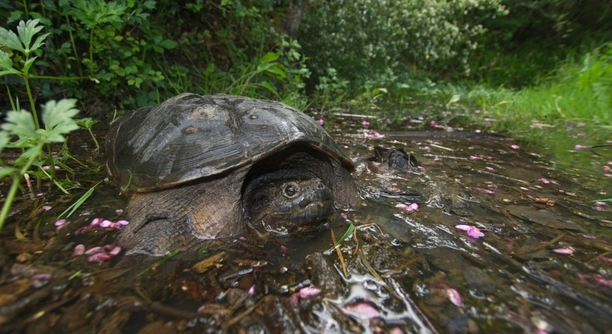
Turtles are fascinating creatures, and their behaviors can often leave us wondering about their needs. A common question among owners of common snapping turtles is why they seem to always be hungry.
The most likely explanation for a snapping turtle’s constant hunger is that it may not be receiving enough nutrition or is experiencing increased metabolic demands. These turtles require a varied diet, and their hunger can signal nutritional gaps or a natural hunting instinct.
Understanding these factors will help ensure your snapping turtle receives proper care and a healthy diet.
Why Does My Snapping Turtle Always Seem Hungry?
Common snapping turtles have a high metabolism, which means they burn through energy quickly. When they’re constantly looking for food, it could be a sign that they are not getting enough nutrients. Snapping turtles are opportunistic feeders, meaning they will eat whatever they can catch. This instinct can make them appear hungry even after meals. While it’s normal for them to seek food often, excessive hunger may indicate that their diet isn’t meeting their needs.
It’s important to ensure your turtle’s diet is varied and rich in nutrients. A diet lacking essential vitamins and minerals can leave your turtle always searching for more.
Snapping turtles thrive on a mixture of animal-based protein and plant matter. This can include fish, insects, and some leafy greens. A lack of variety in their meals may cause them to feel unsatisfied, leading to constant foraging. Consider adjusting their food offerings to include different types of protein and supplementing with vegetables for better balance.
The Role of Their Natural Behavior
Turtles are natural hunters and foragers. Even if well-fed, a snapping turtle’s instincts can drive them to search for food. This hunting behavior is deeply ingrained, so they will often appear hungry even when they’re not. Snapping turtles have a wide-ranging diet in the wild, and when kept in captivity, they may continue these behaviors.
Because of their strong instincts, it’s crucial to offer them food regularly to prevent frustration. If they don’t feel challenged in hunting or foraging, they may exhibit signs of constant hunger. Keeping your turtle mentally and physically stimulated by providing food in different forms or hiding it around their habitat can be an effective way to manage their appetite. Ensuring a balanced, varied diet will also help maintain their health and prevent overeating.
Is My Snapping Turtle Not Getting Enough to Eat?
If your snapping turtle is always hungry, it could be due to insufficient food or nutritional imbalance. Regularly providing food is crucial for maintaining their health. Offering them a variety of proteins and plant matter ensures they receive the proper nutrients.
Common snapping turtles require more than just meat. Along with protein, they need vitamins and minerals from vegetables. Without a balanced diet, they may feel unsatisfied and continue looking for food. A variety of food will help curb their hunger and improve their overall health.
If your turtle seems unsatisfied after eating, you may need to increase the quantity of food or adjust the types. It’s essential to monitor their weight and adjust feeding accordingly. Providing a mix of protein sources such as fish, insects, and shrimp can help meet their needs and prevent hunger-driven behaviors.
Behavioral Signs of Overfeeding
Overfeeding can also lead to hunger-like behaviors in snapping turtles. Feeding them too often might cause them to associate food with attention. This can lead to them acting hungry even if their nutritional needs have been met.
To avoid this, maintain a consistent feeding schedule. Snapping turtles should be fed a set amount of food rather than ad-libbing it. Overfeeding not only causes hunger-like behavior but can also lead to health issues like obesity. By regulating food intake, you can ensure your turtle stays healthy while preventing unnecessary hunger.
Ensuring a steady, controlled feeding routine helps manage their hunger and prevents them from overestimating the amount of food needed. Adjusting feeding frequency based on your turtle’s age, size, and activity level will help establish a healthy routine and prevent unhealthy behaviors associated with overfeeding.
Diet and Nutritional Deficiencies
A snapping turtle’s hunger could stem from a lack of specific nutrients. If they are not getting enough vitamins or minerals, their body might signal hunger more often. This is why a varied diet is essential for meeting all their nutritional needs.
If a snapping turtle isn’t getting the right balance of food, they may feel constantly hungry. Common deficiencies include a lack of calcium or vitamin A. Offering a mix of protein and plant matter can prevent these deficiencies and help keep your turtle satisfied. Additionally, adding calcium supplements can improve shell health and overall well-being.
The Importance of Feeding Habits
Feeding habits also affect your snapping turtle’s hunger. They may eat out of habit or because they are bored. Developing a regular feeding schedule and providing enrichment in their environment can reduce this behavior.
Turtles are creatures of habit, and their hunger may sometimes be a result of an ingrained routine. By feeding them at consistent times and offering challenges like hiding food, you can provide a more enriching experience. This will help reduce unnecessary food-seeking behavior and prevent frustration.
FAQ
Why is my snapping turtle always looking for food?
Snapping turtles are naturally opportunistic feeders, which means they will search for food whenever they can. Even if they’ve recently eaten, they may continue foraging due to their instinct to hunt. Additionally, a lack of variety in their diet can leave them feeling unsatisfied. Offering different types of food and feeding them regularly can help reduce this behavior.
How often should I feed my snapping turtle?
Feeding frequency depends on the age and size of your turtle. Adult snapping turtles typically eat every two to three days, while younger turtles may need to be fed daily. Consistency is key, so try to establish a feeding routine. Overfeeding should be avoided, as it can lead to weight gain and health problems.
Can I overfeed my snapping turtle?
Yes, overfeeding is possible and can lead to health issues such as obesity or shell deformities. Snapping turtles often act hungry because they are used to being fed frequently, but they only need a certain amount of food. It’s important to stick to a feeding schedule and offer the right portion sizes to prevent overfeeding.
What is the best diet for a snapping turtle?
A balanced diet for a snapping turtle includes animal proteins like fish, shrimp, and insects, as well as plant matter like leafy greens and fruits. This mix ensures they get the vitamins, minerals, and protein they need. Supplements, like calcium, may also be needed, especially for adult turtles to help with shell health.
Why does my snapping turtle eat so much plant matter?
Some snapping turtles may develop a preference for plant matter if they are not receiving enough protein. While these turtles are mostly carnivorous, they can consume plants as part of a balanced diet. If your turtle is eating more plants than usual, you may need to adjust the proportion of protein in its meals.
How do I know if my snapping turtle is underfed?
Signs of underfeeding include weight loss, lethargy, or poor growth in young turtles. An underfed turtle may also be more aggressive or constantly seeking food. It’s important to monitor their size and appearance regularly and adjust their food intake if necessary. Consult with a vet if you’re concerned about your turtle’s health.
Should I give my snapping turtle treats?
Occasional treats can be given to your snapping turtle, but they should not replace a balanced diet. Treats like worms or small pieces of fish can be a fun addition to their meals, but should be offered in moderation. Over-reliance on treats can lead to an imbalanced diet.
How much food should I give my snapping turtle?
A snapping turtle should be fed a portion that is roughly the size of its head. For adult turtles, this typically means offering food every other day or two to three times a week, depending on their size and activity level. Always avoid overfeeding, and adjust portions based on their needs.
Can a snapping turtle eat too much protein?
While protein is important for growth and energy, too much protein can cause kidney problems and other health issues. It’s important to balance protein with plant matter to avoid nutritional imbalances. Excessive protein can also make your turtle appear hungry since it may not be meeting its other nutritional needs.
What should I do if my snapping turtle seems lethargic after eating?
Lethargy after eating can be a sign of overfeeding, stress, or poor water quality. If your snapping turtle appears sluggish after meals, check the water temperature and filtration system. Ensure that you are offering appropriate portion sizes and that the environment is clean and well-maintained. If symptoms persist, consult a vet for further evaluation.
Final Thoughts
Understanding why your snapping turtle always looks hungry is key to providing the right care. These turtles are natural foragers, and it’s common for them to search for food even if they are not truly hungry. It’s important to recognize that this behavior can be influenced by various factors, such as their instinct to hunt, boredom, or an inadequate diet. By observing their eating habits and adjusting their meals to ensure they are getting the right balance of nutrients, you can help your turtle feel more satisfied.
Feeding your snapping turtle the right amount of food at consistent intervals is crucial. A balanced diet that includes both animal proteins and plant matter ensures they get the vitamins, minerals, and protein they need for optimal health. Overfeeding can lead to problems like obesity, while underfeeding can cause malnutrition and lethargy. By sticking to a regular feeding schedule and providing variety, you can prevent hunger-related behaviors and help maintain their overall well-being.
Monitoring your turtle’s behavior and adjusting their diet accordingly is important for long-term health. If your snapping turtle appears to be constantly searching for food, it might be a sign that their meals are not nutritionally complete or that they are not getting enough food. Offering a variety of foods, including protein and vegetables, while following proper feeding schedules, will help keep them healthy and satisfied. If you are ever unsure about the cause of your turtle’s behavior, consulting a vet can provide further guidance.

Hello,
If you enjoy the content that we create, please consider saying a "Thank You!" by leaving a tip.
Every little bit helps us continue crafting quality advice that supports the health, happiness, and well-being of pets around the world, for pets of all shapes, sizes, and species.
We really appreciate the kindness and support that you show us!