
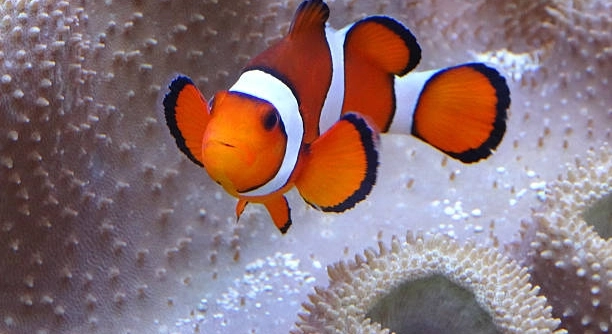
Clownfish are popular in home aquariums due to their bright colors and interesting behavior. Many fish owners notice their clownfish often stay vertical for long periods. This behavior can seem unusual but is quite normal for these fish.
Clownfish stay vertical for hours mainly because of their natural swimming habits and need for balance within their environment. This posture helps them interact with sea anemones and maintain stability in water currents. It is a common, healthy behavior in their daily routine.
Understanding why clownfish adopt this position helps create a better environment for their care. The following information explains this behavior in more detail and offers insights into maintaining your clownfish’s well-being.
Why Clownfish Adopt a Vertical Position
Clownfish often stay vertical to help them interact closely with their host anemones. This posture allows them to fit into the tentacles easily, providing protection from predators. Staying upright also aids in breathing, as it maximizes water flow over their gills. Clownfish are adapted to live in coral reefs, where water currents can be strong. By positioning themselves vertically, they use less energy to resist these currents. This behavior is part of their natural instincts and helps them maintain balance and stability. Sometimes, clownfish remain still in this position to rest while staying alert for any nearby threats. Their vertical stance is also a way to communicate with other fish and signal territory or mating readiness. This simple action supports their survival and comfort within their environment, showing how well they are adapted to their natural habitat.
Vertical positioning is a normal and healthy behavior that reflects the clownfish’s natural adaptation to its environment.
This vertical stance is one of many interesting behaviors clownfish use to thrive. Understanding this helps aquarium owners provide the right tank setup and conditions, ensuring the fish feel safe and secure. Proper placement of anemones and awareness of water flow in the tank can encourage this natural posture. Recognizing these behaviors can improve your experience as a caretaker and contribute to the clownfish’s overall health.
The Role of Water Currents and Environment
Water currents play an important role in why clownfish stay vertical.
Strong currents can push fish in different directions, so staying vertical helps them hold their position. It reduces the effort needed to swim against the flow. In their natural coral reef habitats, currents move in various directions and speeds. Clownfish are built to use these currents to their advantage, balancing easily with their body shape and fin movements. In aquariums, water flow must be carefully controlled to mimic natural conditions. Too strong or too weak currents can cause stress or abnormal behavior. The vertical posture is a sign the fish is adjusting well to its environment, but changes in current may affect how long they stay in this position. Maintaining a balanced tank environment supports the clownfish’s comfort and encourages natural behaviors.
Clownfish adapt well to their environment when water flow matches their natural habitat, helping them stay healthy and active.
How Clownfish Communicate Through Posture
Clownfish use body language, including vertical positioning, to communicate with others. This posture can signal dominance, submission, or readiness to mate. It helps them establish social order within their group.
The vertical stance is a clear signal in clownfish social behavior. Dominant fish may use this posture to assert control, while submissive fish avoid direct confrontation by changing their position. During mating, the posture becomes part of courtship displays, helping pairs bond and synchronize spawning. This nonverbal communication is essential for maintaining harmony in their small communities. It shows that posture is not just about balance but also an important part of their interactions.
Clownfish rely on subtle changes in their body orientation to convey emotions and intentions. This makes their vertical positioning a valuable part of their social life, supporting both survival and reproduction.
The Impact of Tank Conditions on Clownfish Behavior
Tank conditions greatly affect how long clownfish stay vertical. Water quality, temperature, and lighting all influence their comfort.
Proper water parameters are crucial for clownfish health. Poor water quality or incorrect temperature can stress fish, causing unusual behavior such as excessive vertical positioning or lethargy. Lighting also matters, as it affects their activity cycles and stress levels. A well-maintained tank that closely replicates their natural environment encourages normal behaviors. Without the right conditions, clownfish may become anxious or ill, which changes how they behave in the tank. Monitoring and adjusting these factors supports their well-being and helps maintain their natural postures and routines.
Signs of Stress in Clownfish
Stress can cause clownfish to change their usual vertical posture. Signs include rapid swimming or hiding more often.
If your clownfish stays vertical for too long without movement, it may be stressed. Monitoring their behavior closely helps catch problems early and ensure a healthy environment.
Feeding and Vertical Behavior
Clownfish sometimes stay vertical while waiting for food. This position helps them spot food floating nearby and prepare to catch it quickly.
This behavior shows how posture serves practical purposes beyond balance and communication.
How Lighting Affects Clownfish Posture
Lighting changes can influence clownfish behavior, including their vertical stance. Bright or sudden light may make them more alert or stressed, causing them to adjust their position.
Proper, consistent lighting helps maintain natural behavior and reduces stress.
Monitoring Behavior Over Time
Keeping track of your clownfish’s posture and activity helps identify health or environmental issues early. Regular observation is key to good care.
FAQ
Why does my clownfish stay vertical for hours?
Clownfish naturally adopt a vertical position to interact with their environment. This posture helps them stay close to sea anemones for protection and maintain balance against water currents. It also assists with breathing by optimizing water flow over their gills. This behavior is normal and often indicates comfort within their surroundings.
Is it normal for clownfish to stay still while vertical?
Yes, clownfish sometimes remain motionless in a vertical position to rest without losing awareness of their surroundings. This resting posture helps them conserve energy while staying alert for potential threats. If your fish stays still but otherwise appears healthy, this is common and not a cause for concern.
Could vertical posture mean my clownfish is stressed?
Prolonged vertical posture combined with other signs such as rapid breathing, hiding, or loss of appetite may indicate stress. Stress in clownfish can result from poor water quality, inappropriate tank conditions, or aggressive tank mates. Observing your fish carefully and checking water parameters can help identify stress causes.
How do water currents affect clownfish posture?
Water currents strongly influence clownfish behavior. They stay vertical to resist or navigate currents with less effort. In tanks, proper water flow replicates their natural habitat, encouraging normal posture. Too strong or weak currents may cause abnormal behavior or stress, so adjusting flow is important for their comfort.
Can lighting impact my clownfish’s vertical behavior?
Lighting plays a role in clownfish activity levels. Sudden changes or overly bright lights may make them anxious or cause unusual posture. Consistent, moderate lighting helps maintain their natural behavior, including their vertical stance. Avoid drastic lighting changes to reduce stress.
Does feeding affect how long clownfish stay vertical?
Yes, clownfish often adopt a vertical position when waiting for food. This posture helps them spot and catch food more efficiently. Regular feeding schedules and proper nutrition promote healthy behavior and reduce stress-related posture changes.
Is vertical posture a sign of mating behavior?
Vertical positioning can be part of courtship rituals. During mating, clownfish display specific postures to attract partners and establish bonds. This behavior is a natural part of their reproduction cycle and shows healthy social interaction.
How can I tell if my clownfish’s vertical posture is unhealthy?
If your clownfish remains vertical but shows other signs such as lethargy, discoloration, or lack of appetite, it may be unwell. Changes in behavior combined with unusual posture suggest health issues. Consulting care guides or professionals is recommended to address potential problems early.
What tank conditions support natural clownfish posture?
Stable water temperature, clean water, balanced salinity, and proper current flow are essential. Including host anemones or similar hiding places helps clownfish feel secure and maintain natural behavior. Regular tank maintenance and monitoring encourage healthy postures.
Can clownfish posture indicate social hierarchy?
Yes, vertical posture can be used to communicate dominance or submission within a group. Dominant fish often use this stance to assert control, while others adjust their posture accordingly. Observing these behaviors helps understand social dynamics in your tank.
Should I change my tank setup if my clownfish stays vertical too much?
Evaluate water quality, flow, lighting, and tank mates first. Adjusting these factors can improve your clownfish’s comfort. Providing hiding spots and mimicking natural conditions often reduces excessive vertical positioning linked to stress.
Is vertical behavior unique to clownfish?
While many fish display various postures, clownfish are particularly known for their vertical stance due to their symbiotic relationship with anemones and reef habitat. This behavior is a key part of their survival strategy and social communication.
How often should I observe my clownfish for posture changes?
Daily observation is ideal to notice changes early. Regular checks allow you to respond quickly to signs of stress or illness. Tracking behavior over time helps maintain a healthy environment and supports your fish’s well-being.
Final Thoughts
Clownfish staying vertical for long periods is a natural and common behavior. This posture helps them balance in their environment, interact with host anemones, and communicate with other fish. It also allows them to rest while remaining alert. Understanding this behavior is important for anyone who keeps clownfish in an aquarium. Recognizing that vertical positioning is part of their normal routine can reduce unnecessary worry about their health or comfort.
Maintaining a proper tank environment is key to supporting natural clownfish behavior. Water quality, temperature, lighting, and flow all influence how your fish act, including how often they stay vertical. Stress or poor conditions can cause changes in their posture and activity levels. By ensuring the tank mimics their natural habitat as closely as possible, you help your clownfish feel secure and healthy. This reduces stress and promotes normal behavior, including their vertical stance. Regular observation and maintenance are essential to catch any signs of discomfort or illness early.
In the end, the vertical position of clownfish is just one part of their unique behavior. It reflects how they adapt to their surroundings and interact socially. Paying attention to these details helps you care for your clownfish more effectively. With the right environment and attention, your clownfish can thrive, showing their natural postures and bright personalities. This simple understanding improves your experience as a caretaker and supports the long-term health of your aquatic pets.

Hello,
If you enjoy the content that we create, please consider saying a "Thank You!" by leaving a tip.
Every little bit helps us continue crafting quality advice that supports the health, happiness, and well-being of pets around the world, for pets of all shapes, sizes, and species.
We really appreciate the kindness and support that you show us!