
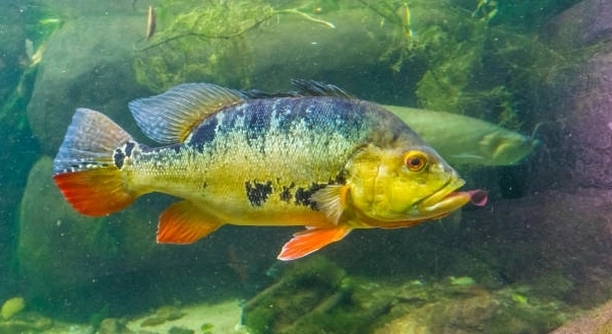
Many cichlid owners notice their fish spending most of their time near the bottom of the tank. This behavior can be surprising, especially when the fish usually swim actively. Understanding why your cichlid stays low can help ensure its health and comfort.
Cichlids often remain near the bottom due to factors like stress, water quality, illness, or territorial instincts. Poor water conditions or lack of hiding places can make them feel unsafe, while some species naturally prefer bottom areas as part of their behavior.
Knowing the reasons behind this behavior will help you create a better environment for your cichlid. This article explores common causes and practical tips to improve your fish’s well-being.
Common Reasons for Bottom-Dwelling Behavior
When a cichlid stays near the bottom of the tank, several factors could be influencing this behavior. Poor water quality is one of the main reasons. High levels of ammonia, nitrites, or nitrates can stress the fish and cause it to hide at the bottom. Another reason is illness—cichlids that feel sick often become less active and prefer to stay low. Stress caused by sudden changes, aggressive tank mates, or lack of hiding spots can also make them feel unsafe. Some species naturally prefer the bottom areas because they search for food or establish territories there. It’s important to observe your fish closely and test the water regularly to identify potential problems early.
Stress, illness, or water issues are common reasons for a cichlid’s bottom-dwelling habits. Addressing these can improve their behavior and health.
Monitoring your tank’s environment and your cichlid’s condition will help you understand why it stays near the bottom. Regular water changes, proper filtration, and adding plants or decorations for hiding places can make your fish feel more secure and active.
How to Improve Your Cichlid’s Comfort
Improving the tank environment is essential to encourage your cichlid to explore more.
Start by maintaining clean, stable water conditions. Check parameters weekly and perform partial water changes. Ensure the tank size suits your cichlid species, as overcrowding increases stress. Adding natural decorations, like rocks or plants, provides shelter and reduces anxiety. Avoid mixing aggressive fish that may intimidate your cichlid. Providing a balanced diet and observing for signs of illness helps keep your fish healthy. When these changes are made, your cichlid will feel safer and more likely to swim throughout the tank. Patience is key, as some fish take time to adjust and regain their confidence.
Water Quality and Temperature
Poor water quality often causes cichlids to stay near the bottom. High ammonia, nitrites, or nitrates can make them uncomfortable. Temperature that is too low or too high also affects their activity.
Maintaining stable water parameters is crucial. Ideal temperature ranges depend on the cichlid species, but most prefer between 75°F and 82°F. Sudden changes in temperature can shock them, causing lethargy and bottom-dwelling. Using a reliable heater and thermometer helps keep conditions steady. Regular testing of ammonia, nitrites, and nitrates ensures water remains safe. Keeping the tank clean by performing frequent water changes reduces toxins and improves overall health, encouraging your cichlid to swim freely.
Proper filtration and aeration are also important. Good oxygen levels help fish stay active. Stagnant water or poor circulation can stress cichlids, pushing them to hide near the bottom where water may feel more stable.
Illness and Physical Discomfort
Illness is a common reason for unusual behavior. If your cichlid is sick or injured, it might avoid swimming and stay low to reduce stress on its body. Signs include loss of appetite, faded colors, or labored breathing.
Internal infections or parasites can cause discomfort that leads your cichlid to hide. Swim bladder issues might affect balance, making it hard for the fish to stay higher in the water column. In such cases, bottom-dwelling is a way to cope with physical problems. If you notice any unusual symptoms, it’s important to isolate the fish and consult a vet or experienced aquarist. Early treatment improves chances of recovery and prevents spreading illness to other tank mates.
Observing your cichlid’s behavior daily helps catch problems early. A healthy fish is usually active and curious. If your cichlid remains at the bottom for several days without improvement, take steps to diagnose and treat potential health issues before they worsen.
Tank Setup and Space
A crowded tank can make cichlids feel stressed and seek refuge near the bottom. They need enough space to swim and establish territories. Overcrowding also leads to poor water quality, adding to their discomfort.
Providing hiding spots like rocks and plants helps your cichlid feel secure. These spaces reduce stress and encourage exploration.
Behavior and Social Interaction
Cichlids are territorial and social fish. Aggressive tank mates or dominance struggles can cause a cichlid to stay low to avoid conflict. Some species naturally prefer the bottom to claim territory or search for food.
Watching interactions helps identify if social stress affects your fish. Separating aggressive individuals or rearranging the tank can reduce tension and improve your cichlid’s comfort.
Feeding Habits and Bottom Dwelling
Many cichlids feed near the tank floor. Staying close to the bottom can be normal if they search for food or sift through substrate. Feeding routines and diet variety affect how often they stay low.
Lighting and Environment Conditions
Bright or harsh lighting may cause cichlids to avoid upper areas. Adjusting light intensity or providing shaded spots can make them feel safer and more relaxed.
Why does my cichlid stay at the bottom all the time?
Your cichlid may stay at the bottom due to stress, illness, or poor water quality. It could also be natural behavior depending on the species. When water conditions are unstable or the fish feels threatened, it tends to hide low for safety.
Can poor water conditions make cichlids stay near the bottom?
Yes, poor water quality often causes bottom-dwelling behavior. High ammonia, nitrites, or nitrates irritate fish, making them less active. Regular water testing and changes are essential to keep your cichlid healthy and encourage normal swimming.
Is my cichlid sick if it stays at the bottom?
Staying at the bottom can be a sign of illness, especially if combined with other symptoms like loss of appetite, faded colors, or abnormal breathing. Swim bladder issues or infections may cause this. Observe closely and consider treatment if symptoms persist.
Could tank setup affect my cichlid’s behavior?
Definitely. Overcrowded tanks or lack of hiding places increase stress, pushing your cichlid to the bottom. Providing enough space and natural decorations helps your fish feel secure and more comfortable swimming throughout the tank.
Do cichlids naturally stay near the bottom sometimes?
Some cichlid species are naturally bottom dwellers or spend time there searching for food or defending territory. This behavior can be normal if your fish shows no signs of stress or illness.
How does temperature influence my cichlid’s activity?
Cichlids prefer stable temperatures within a specific range (usually 75°F to 82°F). If water is too cold or too hot, they may become lethargic and stay low. Using a heater and thermometer keeps the temperature steady for better activity.
What role does lighting play in my cichlid’s position?
Bright or harsh lighting can make cichlids feel exposed and stressed, causing them to stay near the bottom where light is dimmer. Adjusting light intensity or adding shaded areas helps reduce stress and encourages exploration.
Can aggressive tank mates cause my cichlid to stay low?
Yes, aggression from other fish can push your cichlid to hide near the bottom to avoid conflict. Watching fish interactions and separating aggressive individuals can improve your cichlid’s comfort and encourage normal behavior.
How important is feeding in bottom-dwelling behavior?
Cichlids often search for food along the tank floor. Feeding habits and diet variety influence how much time they spend near the bottom. Providing a balanced diet and feeding appropriate amounts can support healthy activity levels.
What should I do if my cichlid stays at the bottom and looks unhealthy?
Isolate the fish if possible, test water parameters, and check for symptoms. Seek advice from an aquarist or veterinarian to diagnose and treat illness early. Acting quickly improves recovery chances.
Can changes in water chemistry cause sudden bottom-dwelling?
Yes, sudden shifts in pH, hardness, or chemical levels can stress fish, making them hide near the bottom. Gradual adjustments and monitoring prevent shocks and maintain a stable environment.
How often should I test my aquarium water to prevent bottom-dwelling behavior?
Weekly testing of ammonia, nitrites, nitrates, pH, and temperature is recommended. Consistent monitoring helps catch problems early and ensures your cichlid’s environment stays safe and healthy.
Will adding plants help my cichlid feel more comfortable?
Yes, live or artificial plants provide shelter and reduce stress. Plants create hiding spots and improve tank aesthetics, making your cichlid more likely to explore rather than stay hidden at the bottom.
Is it normal for cichlids to rest at the bottom occasionally?
Resting at the bottom for short periods is normal. Fish need downtime, and bottom areas can be a safe resting place. However, constant bottom dwelling without other activity could signal a problem.
What tank size is best to prevent bottom-dwelling stress?
Tank size depends on the species but generally, bigger tanks reduce stress by offering more swimming space and territories. Overcrowding causes stress and promotes hiding behavior.
How long should I wait before worrying about bottom-dwelling behavior?
If your cichlid stays at the bottom for more than a couple of days without improvement or shows other signs of illness, it’s time to investigate and take action to improve its health and environment.
Understanding why your cichlid stays near the bottom of the tank is important for keeping it healthy and happy. This behavior can have many causes, such as stress, illness, water quality, or natural habits. Paying close attention to your fish’s environment and behavior helps you identify any problems early. Taking steps to improve water conditions, tank setup, and social interactions can encourage your cichlid to become more active and comfortable.
Water quality plays a big role in your cichlid’s behavior. Regular testing and maintenance keep harmful substances like ammonia and nitrites low, which reduces stress on your fish. Stable temperature and proper filtration also support their well-being. When fish live in a clean, balanced environment, they are more likely to explore the tank instead of hiding at the bottom. Adding plants or decorations gives your cichlid safe places to rest and feel secure, which can also help reduce hiding behavior.
If illness is suspected, it is important to act quickly. Symptoms like loss of appetite, color changes, or unusual swimming patterns should not be ignored. Early diagnosis and treatment improve your cichlid’s chances of recovery. Keeping an eye on how your fish interacts with tank mates and adjusting the environment to reduce aggression can also help. Creating the right conditions takes time and effort, but it is rewarding to see your cichlid active and thriving throughout its tank.

Hello,
If you enjoy the content that we create, please consider saying a "Thank You!" by leaving a tip.
Every little bit helps us continue crafting quality advice that supports the health, happiness, and well-being of pets around the world, for pets of all shapes, sizes, and species.
We really appreciate the kindness and support that you show us!