
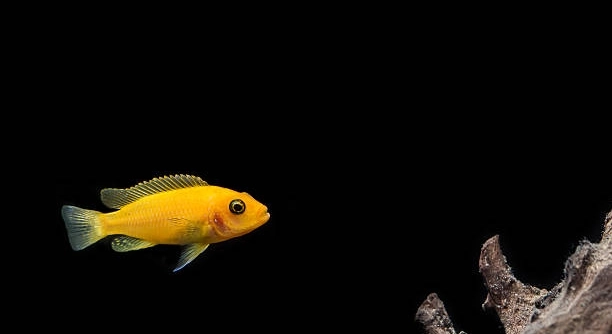
Cichlids are colorful and active fish often kept in home aquariums. Sometimes, they seem to pick one spot and remain there for long periods. This behavior can be concerning for aquarium owners who expect lively movement.
A cichlid staying in one spot is usually a response to environmental stress, illness, or territorial behavior. Factors like water quality, tank conditions, or social dynamics can influence this stationary tendency in these fish.
Understanding why your cichlid behaves this way can help you create a better environment and improve its overall health and comfort in the tank.
Common Reasons Why Cichlids Stay in One Spot
Cichlids may stay in one spot due to several common causes. Poor water quality is a frequent factor that can make fish sluggish and inactive. High ammonia or nitrate levels stress the fish and affect their health. Another reason is illness. Parasites, infections, or internal issues can cause lethargy. Territorial behavior also plays a role. Some cichlids guard specific areas in the tank and remain there to protect their space. Lastly, stress from overcrowding or aggressive tank mates can lead a cichlid to isolate itself in a safe spot. Observing your fish carefully helps identify these causes.
In many cases, improving water conditions and tank setup can reduce this behavior.
Adjusting the tank environment often restores normal activity. Consistent water tests and partial water changes maintain safe conditions. Keeping compatible species together reduces stress and aggression. If illness is suspected, consulting a veterinarian familiar with fish is important. Providing hiding spots and proper diet also supports well-being. These steps often encourage your cichlid to explore the tank more actively again.
How Water Quality Affects Cichlid Behavior
Water quality directly impacts your cichlid’s health and activity. Poor water conditions cause stress, which often leads to reduced movement and hiding. Ammonia and nitrite levels should always be zero, and nitrates kept low. Testing water regularly helps spot problems early. A clean tank environment supports natural behavior and reduces disease risk. Overfeeding can cause waste buildup and worsen water quality. Proper filtration and regular maintenance are essential to keep the water safe and clear.
Maintaining stable water parameters improves your cichlid’s comfort and encourages healthy activity levels. A well-balanced aquarium allows your fish to thrive and display normal, active behavior.
Signs of Illness in Cichlids
Lethargy and staying in one spot can indicate illness. Other signs include faded colors, clamped fins, loss of appetite, and unusual swimming patterns. Early detection helps prevent worsening conditions.
Illness in cichlids often results from bacterial or parasitic infections. These problems can develop quickly if water quality is poor or stress levels are high. Watching for visible changes like white spots or sores is important. Prompt treatment with appropriate medication can improve recovery chances. Isolation of affected fish is often necessary to prevent spreading disease.
A weakened immune system makes cichlids more vulnerable to infections. Proper diet and tank maintenance support their health. Avoid sudden temperature changes and overcrowding to reduce stress. When illness is suspected, consulting a knowledgeable source or veterinarian ensures the right steps are taken for treatment.
Territorial Behavior and Tank Setup
Cichlids are naturally territorial and may stay in one spot to defend their area. This behavior is more common in aggressive species or during breeding periods. Providing adequate space reduces conflicts.
A crowded tank can increase territorial disputes and cause fish to become defensive. Creating hiding places with rocks, plants, or decorations helps reduce aggression. Separating aggressive fish or keeping compatible species together also minimizes stress. When cichlids feel secure in their territory, they show more natural movement and activity. Adjusting tank size and layout promotes a healthier environment, allowing all fish to coexist peacefully.
Stress and Its Impact on Cichlid Activity
Stress causes cichlids to become inactive and stay in one spot. It results from poor water conditions, aggressive tank mates, or sudden changes in the environment. Reducing stress helps improve their behavior.
Creating a calm, stable tank environment is essential. Avoid overcrowding and maintain consistent water parameters to keep stress levels low.
Importance of Proper Diet
A balanced diet keeps cichlids healthy and active. Poor nutrition can lead to lethargy and health problems. Feeding high-quality pellets, occasional live or frozen foods, and fresh vegetables supports their energy needs and overall well-being.
Monitoring Tank Temperature
Temperature fluctuations cause stress and inactivity. Keeping a stable temperature suited for your cichlid species supports their natural behavior.
Providing Hiding Places
Hiding spots make cichlids feel secure. Without them, fish may stay still out of fear or discomfort. Adding caves, plants, and rocks encourages movement and exploration.
FAQ
Why does my cichlid stay in one spot but still eat?
If your cichlid remains in one place but continues to eat, it may be feeling stressed or conserving energy due to water quality issues or mild illness. Eating shows it still has an appetite, which is a positive sign. Monitor water parameters and tank conditions to ensure they are optimal. Minor stress or discomfort may cause reduced activity, but the fish can still feed normally. Maintaining stable water quality and reducing tank disturbances often helps the fish become more active over time.
Can a cichlid stay still because of aggression from other fish?
Yes, aggression from tank mates often forces cichlids to retreat and remain in one spot for safety. This is especially true for more submissive or smaller fish. If your cichlid is bullied, it may hide or stay still to avoid confrontation. Adjusting the tank layout with hiding places and possibly separating aggressive fish can help. Ensuring the tank is not overcrowded also reduces aggression. A peaceful environment encourages your cichlid to move more freely and display natural behaviors.
Is it normal for cichlids to have favorite spots?
Cichlids often develop favorite spots as part of their territorial nature. These areas offer safety, comfort, or a strategic location for feeding and breeding. It is normal for them to spend significant time there. However, if your cichlid stays fixed in one spot without moving, it could signal stress or illness. Differentiating between normal territorial behavior and inactivity caused by health issues is important. Regular observation helps determine if the behavior is typical or requires intervention.
What water parameters should I maintain to keep my cichlid healthy?
Maintaining proper water parameters is key to your cichlid’s health. Ideal pH levels vary by species but generally range from 6.5 to 8.0. Temperature should match the species’ natural habitat, usually between 75°F and 82°F. Ammonia and nitrite levels must be zero, while nitrates should stay below 20 ppm. Regular testing and water changes prevent harmful chemical buildup. Proper filtration and avoiding overfeeding also contribute to stable water conditions, which support active and healthy fish.
How can I tell if my cichlid is sick?
Signs of sickness include faded colors, clamped fins, rapid breathing, loss of appetite, and unusual swimming patterns like floating or sinking. Visible symptoms such as white spots, sores, or swelling are also warning signs. If you notice these, act quickly by isolating the fish and treating it with appropriate medication. Maintaining good water quality and nutrition supports recovery. Early detection and intervention increase the chances of your cichlid’s full recovery.
What should I do if my cichlid hides all the time?
Constant hiding may indicate stress, illness, or fear due to aggressive tank mates. Ensure water quality is good and tank mates are compatible. Provide plenty of hiding places, but also encourage exploration by arranging decorations thoughtfully. Avoid sudden changes in environment or lighting. Sometimes, giving the fish time to adjust to a new tank helps. If hiding persists, check for illness or bullying. Proper tank management can reduce hiding and encourage natural activity.
Does tank size affect my cichlid’s activity?
Yes, tank size significantly influences cichlid behavior. Small, crowded tanks increase stress and aggression, causing fish to become less active or territorial. Providing enough space allows for natural swimming and reduces conflicts. The recommended tank size varies by species, but generally, larger tanks promote healthier, more active cichlids. Adding structures and plants also helps create a stimulating environment that encourages movement and reduces boredom.
Can poor diet cause my cichlid to stay inactive?
A poor diet lacking essential nutrients can weaken cichlids and reduce their activity. Balanced feeding with quality pellets, supplemented by live, frozen, or fresh foods, supports energy and immune function. Malnutrition may cause lethargy and make fish more vulnerable to illness. Regularly offering varied foods tailored to your cichlid species helps maintain vitality and natural behavior. Avoid overfeeding, which can also harm water quality and indirectly affect activity.
When should I seek professional help for my cichlid?
Seek professional help if your cichlid shows persistent inactivity, visible illness signs, or unusual behavior despite good tank care. A veterinarian with experience in fish or a reputable aquarium specialist can provide diagnosis and treatment advice. Early professional intervention improves outcomes. If water conditions are optimal but problems continue, expert guidance is essential to identify less obvious health issues and recommend appropriate solutions for your fish’s well-being.
Final Thoughts
Cichlids staying in one spot is a behavior that can mean different things. Sometimes it is normal, such as when they are guarding their territory or resting in a favorite area. Other times, it may be a sign of stress, poor water conditions, illness, or aggression from other tank mates. Understanding the context and observing other signs can help determine the reason behind this behavior. Paying close attention to water quality, tank environment, and the fish’s overall health is important for keeping cichlids active and comfortable.
Maintaining a clean and stable tank environment is key to supporting your cichlid’s natural activity. Regular testing of water parameters, timely water changes, and proper filtration prevent harmful substances from building up. A well-maintained tank reduces stress and the chance of illness, which are common causes of inactivity. Along with good water quality, offering a balanced diet and avoiding overcrowding also improve the well-being of your fish. Providing enough space and hiding spots helps reduce aggression and encourages movement.
When a cichlid spends too much time in one place without clear reason, it is important to take action. Check water quality first, then observe for signs of illness or stress. Adjusting the tank setup, such as adding decorations or separating aggressive fish, may be necessary. If the problem continues, seeking advice from a veterinarian or fish expert is recommended. With proper care and attention, most cichlids can return to normal activity and enjoy a healthy life in your aquarium.

Hello,
If you enjoy the content that we create, please consider saying a "Thank You!" by leaving a tip.
Every little bit helps us continue crafting quality advice that supports the health, happiness, and well-being of pets around the world, for pets of all shapes, sizes, and species.
We really appreciate the kindness and support that you show us!