
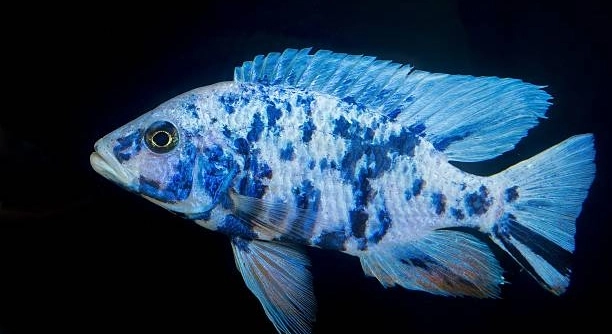
Cichlids often display unique behaviors that can puzzle fish keepers. One common sight is when a cichlid guards a single spot in its tank. This behavior can be both fascinating and confusing for those caring for these vibrant fish.
Cichlids guard specific spots primarily to protect territory, eggs, or fry. This instinctive behavior helps ensure the survival of their offspring and maintain control over resources within their environment. Guarding is a natural and important part of their reproductive cycle.
Understanding why your cichlid focuses on one spot can help improve your tank management and support your fish’s well-being over time.
Why Cichlids Choose One Spot to Guard
Cichlids are territorial fish by nature, and selecting a specific spot to guard helps them establish control over a part of their environment. This behavior usually happens during breeding, when they protect eggs or young fry. The guarded spot often has a particular significance, such as being near a hiding place or a food source. It also provides a safe zone where the cichlid feels confident defending against intruders or threats. Watching your cichlid intensely guarding one spot shows their natural instincts in action. Sometimes, this area can be a rock, a cave, or a patch of substrate that the fish prefers for spawning. By marking this territory, the cichlid signals to others that the area is occupied, reducing conflicts and helping maintain a peaceful tank hierarchy. Understanding this can make it easier to accommodate their needs in your aquarium setup.
This territorial guarding is part of the cichlid’s natural reproductive behavior and is necessary for protecting their offspring.
Recognizing these spots and their purpose helps you provide a suitable environment. You can arrange decorations or substrate to create safe spaces that encourage natural behavior, making your fish feel secure and less stressed.
How to Support Your Cichlid’s Guarding Behavior
Setting up your aquarium to support your cichlid’s guarding behavior improves their well-being. Providing hiding spots like caves, rocks, or dense plants near the guarded area gives the fish confidence. This setup allows them to feel secure while watching over their territory. Keep tank mates compatible and avoid overcrowding to reduce stress and aggression around the guarded spot. Monitor water quality closely, as clean, stable water conditions encourage healthy behavior. It’s important to maintain regular feeding routines but avoid overfeeding, which can lead to poor water quality and disrupt territorial behavior. Observing how your cichlid interacts with its environment gives insight into what adjustments might be needed. By catering to these needs, you support the fish’s natural instincts, which can lead to a more peaceful and active aquarium. Making these changes benefits both your cichlid and the overall tank balance.
What Triggers Guarding Behavior in Cichlids
Guarding behavior is usually triggered by breeding instincts or territorial disputes. Hormones play a large role, especially during spawning periods. Changes in environment or the introduction of new tank mates can also provoke this behavior. It’s a natural response to protect valuable resources or offspring.
During breeding, female cichlids lay eggs in a chosen spot, and both parents become highly protective. This behavior can last for several weeks until the fry are independent. Outside breeding, cichlids guard spots to secure food sources or prime hiding places. These triggers vary depending on species, tank conditions, and individual temperament. Understanding these causes helps to manage your aquarium and reduce stress for all fish involved.
Environmental changes, like rearranging the tank or adding new decorations, can cause cichlids to re-establish their territories. Such adjustments often lead to increased guarding as fish feel the need to protect their space. This can be temporary or longer-lasting based on how the fish perceives threats.
Signs Your Cichlid Is Guarding a Spot
A guarding cichlid will spend most of its time near the chosen area. It may exhibit aggressive displays, such as flaring fins or chasing away other fish. The fish stays alert, often positioning itself between the spot and intruders.
Besides physical guarding, you might notice increased digging or cleaning behavior at the spot. These actions prepare the area for eggs or make it more comfortable. Vocalizations or changes in coloration can also indicate heightened guarding activity. Paying attention to these signs helps in recognizing when your cichlid is feeling threatened or protective. Understanding these behaviors allows you to respond by minimizing disturbances and maintaining stable conditions in the tank.
How to Create a Comfortable Guarding Spot
Provide plenty of hiding places like rocks, caves, or plants. These give your cichlid secure areas to claim and protect. Make sure the spot has good visibility and easy access.
Avoid overcrowding the tank. Too many fish near the guarded area can increase stress and aggression, making your cichlid uneasy.
Feeding Your Guarding Cichlid
Offer a balanced diet that supports your cichlid’s health and breeding needs. High-quality pellets, frozen foods, and occasional live foods work well. Feeding smaller portions multiple times a day helps maintain water quality and reduces stress during guarding.
When to Intervene
If guarding becomes aggressive or your cichlid is harming tank mates, consider separating fish temporarily. This protects all fish and allows the guarding cichlid to calm down. Intervention may also be needed if the fish shows signs of stress or illness.
Adjusting Tank Setup
Sometimes rearranging the tank or adding new decorations helps reduce territorial disputes and encourages more peaceful behavior.
FAQ
Why does my cichlid guard only one spot?
Cichlids guard one spot mainly because it serves as a territory or breeding area. This behavior helps them protect eggs, fry, or important resources like food and shelter. Guarding a single area allows the fish to focus its energy on defending something valuable and increases the chance of survival for its offspring or territory.
Is guarding behavior normal in all cichlid species?
Most cichlid species exhibit some form of territorial guarding, especially during breeding. However, the intensity and duration can vary widely. Some species guard larger territories or multiple areas, while others focus closely on a single spot. Understanding your specific cichlid species can help explain the guarding patterns you observe.
How long does cichlid guarding last?
Guarding behavior can last from a few days to several weeks, depending on the breeding cycle and species. Once the fry become independent or the eggs hatch and grow, the guarding usually decreases. Outside of breeding, territorial guarding can continue as long as the fish feels its space is threatened.
Can guarding cause problems in a community tank?
Yes, guarding behavior can lead to aggression and stress among tank mates. Guarding cichlids may chase or attack other fish that come too close. To minimize conflict, ensure plenty of space, hiding spots, and compatible tank mates. Monitoring your tank closely during breeding or heightened guarding periods is important.
How can I reduce aggression caused by guarding?
Provide extra hiding places and establish clear territories within the tank. Avoid overcrowding and keep water conditions stable. If aggression persists, consider temporarily isolating the guarding cichlid or using a larger tank to reduce stress and competition.
Does guarding mean my cichlid is happy and healthy?
Guarding is a natural instinct, but excessive or constant guarding might indicate stress or environmental issues. Healthy guarding behavior usually happens during breeding or when the fish feels secure in its territory. Pay attention to other signs of health like appetite, activity, and coloration.
What should I do if my cichlid is overly aggressive while guarding?
If aggression becomes extreme, separate the fish to prevent injury. Adjust tank setup by adding decorations or rearranging the layout to break sightlines and reduce territorial disputes. Maintaining clean water and proper nutrition can also help balance behavior.
Can I breed cichlids by encouraging guarding behavior?
Yes, providing ideal conditions such as a proper spot to guard, good water quality, and a healthy diet can promote breeding and guarding behavior. Watch for signs like digging, cleaning the spot, or protective displays, which indicate readiness to spawn.
How do I know if my cichlid is guarding eggs or fry?
Guarding cichlids tend to stay very close to the spot, may fan the eggs with their fins, and chase away intruders aggressively. Fry guarding involves more active protection and sometimes guiding the young around the tank.
Does changing the tank setup affect guarding behavior?
Yes, rearranging decorations or adding new tank mates can trigger increased guarding as cichlids reestablish their territories. Sometimes this leads to temporary aggression but can settle once the fish feel secure. Gradual changes are best to minimize stress.
Is guarding behavior different in males and females?
Males often defend larger territories and show more aggressive guarding, while females focus on protecting eggs and fry. Both parents can be involved, depending on the species. Observing your cichlid’s behavior will reveal how they share these roles.
Can stress increase guarding behavior?
Stress can cause cichlids to guard more aggressively or for longer periods. Stress factors include poor water quality, overcrowding, sudden changes, or incompatible tank mates. Keeping a stable, clean environment helps reduce stress and supports natural behavior.
How do I create the best environment for guarding cichlids?
Provide plenty of hiding spots, stable water conditions, and a balanced diet. Avoid overcrowding and keep compatible fish together. Giving your cichlid a space to claim encourages natural guarding without excessive aggression.
Will guarding behavior stop if I remove the eggs or fry?
Removing eggs or fry may reduce guarding, but territorial behavior can continue if the fish feels its space is threatened. Guarding is partly instinctual, so the fish might protect the spot itself, even without offspring present.
Are there signs that guarding is harming my cichlid?
Watch for signs like loss of appetite, hiding too much, injuries, or lethargy. These can indicate stress or exhaustion from guarding. If these occur, consider changing the tank setup or separating fish to improve well-being.
What tank size is best for cichlids that guard territory?
Larger tanks give cichlids more space to establish territories and reduce conflict. The ideal size depends on the species but generally, bigger tanks help prevent aggression and allow natural behaviors like guarding to occur more peacefully.
Final Thoughts
Cichlids guarding a single spot is a natural behavior tied to their instincts and survival needs. This guarding often relates to protecting territory, eggs, or young fish. Understanding this behavior helps in creating a better environment for your cichlid. When you see your fish focusing on one area, it is usually responding to its natural drive to keep something important safe. Providing a suitable space with hiding spots and enough room supports this behavior in a healthy way. Observing your fish closely will give clues about what it needs and how it feels.
It is important to remember that guarding can sometimes lead to aggression or stress, especially in smaller or overcrowded tanks. This behavior is natural but can become problematic if your cichlid feels threatened constantly or if other fish are constantly chased. Making sure your tank has proper decorations, enough space, and compatible tank mates can reduce conflicts. Clean water and regular feeding also play a big role in maintaining a calm environment. When needed, small changes to the tank setup or temporarily separating fish can help manage guarding behavior without causing harm.
Overall, guarding behavior shows how complex and interesting cichlids are. It reflects their instincts and need to protect their space and offspring. By supporting this behavior with the right tank conditions, you encourage your cichlid’s well-being and natural activity. Taking time to learn about your fish’s habits and providing what they need will lead to a healthier and more peaceful aquarium. Keeping an eye on guarding and other behaviors helps you act early if any issues arise, ensuring a good life for your cichlid and other tank inhabitants.

Hello,
If you enjoy the content that we create, please consider saying a "Thank You!" by leaving a tip.
Every little bit helps us continue crafting quality advice that supports the health, happiness, and well-being of pets around the world, for pets of all shapes, sizes, and species.
We really appreciate the kindness and support that you show us!