
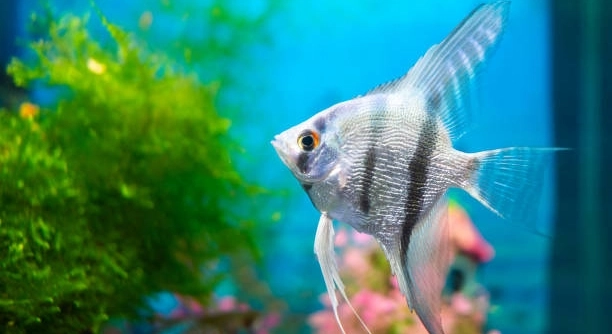
Angelfish are known for their graceful swimming patterns, but sometimes they seem to dart around in short bursts. This behavior can be confusing, especially when it happens without any obvious cause. Understanding the reason behind it can help you care for them better.
Angelfish swim in short bursts for several reasons, including natural hunting instincts, territory defense, and stress. This behavior can also occur when they are excited, feel threatened, or need to escape from a perceived danger in their environment.
Understanding why your angelfish behave this way can improve their living conditions and overall well-being. By recognizing the signs and triggers, you can ensure they stay healthy and happy.
Natural Hunting Instincts
Angelfish are predatory by nature, and in the wild, they often engage in quick bursts of movement to catch their prey. This instinct can be triggered even in an aquarium, causing them to swim rapidly for short distances. The energy used in this behavior mimics what they would do while hunting for smaller fish or invertebrates.
They may also display this behavior when they are simply excited or eager to find food. Though your tank may not have live prey, their instincts still influence their actions. Understanding this helps you see that it’s not unusual for your angelfish to swim in such bursts.
While angelfish in captivity may not hunt, they can still exhibit these rapid movements when food is offered. They might dart around the tank in anticipation or during feeding times. If your fish seem particularly excited when it’s time to eat, this behavior can be chalked up to their natural instincts.
Territory Defense
Angelfish can be territorial creatures, especially when they feel the need to protect their space or mate. When another fish approaches their territory, they might respond by swimming in quick bursts to assert dominance. This behavior ensures that intruders are kept at a distance.
When angelfish are paired or in a breeding setup, they become more protective of their chosen territory. If they feel threatened by another fish, they may display aggressive bursts of speed to chase away potential threats. This is common during the breeding season when the fish are more protective.
It’s important to ensure that your tank provides enough space for each fish to establish its own territory. Overcrowding can lead to stress and constant territorial disputes. Additionally, rearranging decorations or introducing new fish slowly can help reduce the chances of this kind of aggressive behavior.
Stress and Anxiety
Stress can cause your angelfish to swim erratically. Changes in their environment, such as water quality, sudden temperature shifts, or overcrowding, can lead to discomfort. These factors often result in short bursts of frantic swimming as the fish attempt to escape or adjust to their surroundings.
Poor water quality is one of the most common stress triggers. Ammonia, nitrites, or nitrates that exceed safe levels can irritate your angelfish. These conditions can cause your fish to dart around the tank in distress, trying to escape the discomfort. Ensure you regularly monitor water parameters to keep them within a safe range.
Stress can also come from changes in their social environment. If you introduce new tankmates too quickly, angelfish may become stressed and display aggressive or frantic swimming. This behavior can also occur if there are any consistent disturbances in their environment, like loud noises or sudden movements.
Excitement or Overexcitement
Angelfish may swim in short bursts when they are excited or overstimulated. This can happen during feeding time, when the fish are anticipating food. The sudden rush of energy is simply a reaction to their excitement, and it’s a natural part of their behavior.
In some cases, angelfish can get overstimulated by the presence of tankmates or movement around the tank. These bursts of swimming may be a sign that they are overly eager or unsettled. If there’s a lot of movement or noise around them, angelfish might feel the need to react quickly, either out of curiosity or a bit of stress.
It’s important to ensure that your fish have a calm and peaceful environment to avoid overstimulation. A balanced feeding routine and minimal disturbances can help reduce unnecessary excitement. This will allow them to maintain a more relaxed and natural swimming pattern.
Poor Tank Conditions
Angelfish can become stressed or uncomfortable if the tank conditions are not ideal. Factors like poor water flow, lack of hiding spots, or inappropriate substrate can all contribute to irregular swimming patterns. Inadequate tank conditions can cause your angelfish to swim in bursts, trying to find a better spot.
If the tank is too small, your fish may feel trapped, leading to anxious swimming. They may also struggle to find food if there isn’t enough space or hiding places. Make sure the environment matches their needs to reduce stress and keep their movements more controlled.
Health Issues
Sometimes, short bursts of swimming are a sign that your angelfish is not feeling well. Health problems like parasites or infections can cause discomfort and lead to erratic swimming patterns. It’s important to watch for any other signs of illness such as changes in color or behavior.
If you notice any unusual marks, lack of appetite, or disinterest in socializing, these may be signs that something is wrong. Health issues can often cause an angelfish to swim erratically as they attempt to alleviate the discomfort. Regular check-ups and proper treatment are key to keeping them healthy.
Water Temperature Fluctuations
Angelfish are sensitive to sudden changes in water temperature. If the water is too hot or too cold, they may swim in short bursts as they try to find a more comfortable zone. Temperature fluctuations can cause stress and lead to abnormal behavior in your fish.
Ensure that your tank has a reliable heater or cooling system to keep the water temperature consistent. Angelfish prefer temperatures between 76°F and 82°F (24-28°C). Regularly check the temperature with a reliable thermometer to ensure that your fish are always swimming in a comfortable environment.
FAQ
Why is my angelfish swimming in short bursts?
Angelfish swim in short bursts as a natural response to various triggers. These include excitement, hunting instincts, territory defense, stress, or poor water quality. They may also display this behavior during feeding times or when feeling threatened. This kind of swimming pattern is often temporary, but understanding the cause can help improve their environment and behavior.
Can water quality affect my angelfish’s swimming behavior?
Yes, poor water quality is a significant factor in erratic swimming. Elevated levels of ammonia, nitrites, or nitrates can cause stress, making your angelfish swim in bursts as they try to escape discomfort. Regular water testing and maintenance are crucial to keep the water quality within the safe range for your fish.
What is the ideal water temperature for angelfish?
Angelfish thrive in water temperatures between 76°F and 82°F (24-28°C). Fluctuations outside of this range can stress your fish and cause them to swim erratically. A reliable aquarium heater is essential to maintain a consistent temperature. Always use a thermometer to monitor the water temperature.
How can I reduce stress for my angelfish?
To reduce stress, ensure that your angelfish has a comfortable environment. This includes clean water, a proper temperature, and adequate space. Avoid sudden changes in the tank, such as rearranging decorations or introducing new fish too quickly. Providing hiding spots and reducing noise and movement around the tank can also help.
Can angelfish feel threatened by other fish?
Yes, angelfish can feel threatened by other fish, especially if they are introduced suddenly or if there is a lack of space. This can lead to aggressive behavior or frantic swimming. Keeping a balanced fish community and providing enough space for each fish can reduce these territorial issues.
What should I do if my angelfish is swimming in circles?
Swimming in circles can be a sign of stress or a health issue. First, check the water quality and temperature. If everything seems normal, look for signs of illness, such as discoloration or abnormal growths. If you suspect illness, consult a veterinarian or aquarist for advice on treatment.
Is it normal for angelfish to swim erratically after water changes?
Yes, it’s normal for angelfish to swim erratically after water changes. The change in water parameters, including temperature and pH levels, can cause temporary stress. Make sure the new water matches the conditions of the tank as closely as possible, and avoid large water changes that might cause rapid fluctuations.
Can angelfish suffer from boredom?
Angelfish can get bored, especially in a dull, unstimulating environment. Boredom may lead to erratic swimming or other abnormal behaviors. Providing them with plants, decorations, and different hiding spots can help keep them entertained and reduce stress. Regularly changing the layout or adding new objects can also keep them engaged.
How can I tell if my angelfish is sick?
Signs of illness in angelfish include faded colors, abnormal swimming patterns (like swimming in circles or darting), clamped fins, or a loss of appetite. Look for external signs such as spots, lesions, or white patches. If you notice any of these symptoms, it’s important to address the issue immediately by adjusting the environment or seeking treatment from an expert.
Can angelfish jump out of the tank?
Yes, angelfish can jump out of the tank if the water level is too low or if they are startled. To prevent this, make sure your aquarium has a secure lid or cover. Maintaining a proper water level and avoiding sudden disturbances around the tank can help minimize the chances of your fish jumping.
How do I know if my angelfish is happy?
A happy angelfish will swim gracefully and steadily, display bright colors, and interact with other fish in a calm manner. Healthy angelfish are usually active during the day, but they also need time to rest in the right environment. If your angelfish are swimming calmly and exploring their tank, they are likely content.
Can I keep multiple angelfish together?
Yes, you can keep multiple angelfish together, but it’s important to provide enough space and hiding spots to reduce territorial disputes. Angelfish are social, but they can be aggressive toward other fish, especially during the breeding season. Make sure your tank is large enough to accommodate them comfortably and avoid overcrowding.
What is the best way to feed angelfish?
Angelfish thrive on a varied diet, including high-quality flakes, pellets, and occasional live or frozen foods like brine shrimp or bloodworms. Feed them small amounts 2-3 times per day, and remove any uneaten food to maintain water quality. Avoid overfeeding, as this can lead to water pollution and health problems.
Are angelfish prone to any specific diseases?
Yes, angelfish can be susceptible to common aquarium diseases like white spot disease (Ich), fin rot, and dropsy. Keeping water conditions stable and maintaining a healthy diet can help prevent these illnesses. If you notice any signs of disease, act quickly to treat your fish and prevent it from spreading.
Final Thoughts
Angelfish are fascinating creatures, and understanding their behavior can make caring for them much easier. Short bursts of swimming are often part of their natural behavior, but they can also be caused by stress, poor water conditions, or even health issues. Knowing the various factors that influence this behavior is essential for creating the best environment for your angelfish.
Regularly monitoring your aquarium’s conditions, such as water quality, temperature, and space, will go a long way in preventing stress for your fish. Keeping the tank clean, adjusting the temperature to the ideal range, and providing enough space for your angelfish can help reduce the likelihood of erratic swimming. Additionally, ensuring your fish aren’t facing any health problems through regular observation is vital. Healthy fish are more likely to exhibit normal, peaceful swimming patterns.
If you find that your angelfish is still swimming in short bursts despite addressing water quality and temperature, it may be worth seeking professional advice. This could mean visiting a veterinarian or reaching out to an experienced aquarist. Ultimately, by understanding the needs of your angelfish and addressing any concerns promptly, you can ensure they remain happy and healthy in their tank.

Hello,
If you enjoy the content that we create, please consider saying a "Thank You!" by leaving a tip.
Every little bit helps us continue crafting quality advice that supports the health, happiness, and well-being of pets around the world, for pets of all shapes, sizes, and species.
We really appreciate the kindness and support that you show us!