
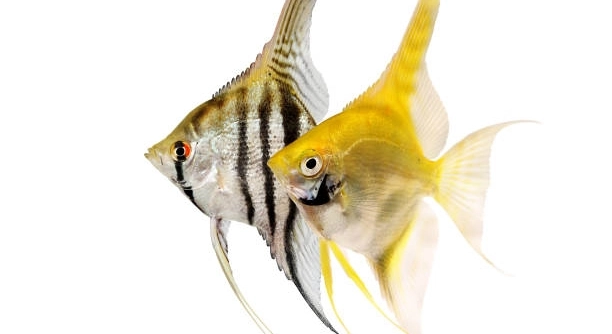
Angelfish are known for their graceful swimming and vibrant colors. However, sometimes they may rest at the bottom of the tank, which can be concerning for owners. Understanding why this happens can help ensure your fish stays healthy.
Resting at the bottom can be due to various factors such as stress, water quality issues, illness, or even natural behavior. Observing your angelfish’s environment and habits can help pinpoint the underlying cause and offer solutions.
In the following article, we will explore several reasons why angelfish may exhibit this behavior and how to address each cause effectively.
Stress from Tankmates
Angelfish are social but can become stressed if their tankmates are aggressive or overly active. When they feel threatened, they may retreat to the bottom of the tank as a way to avoid confrontation. Aggression from other fish can disrupt their usual behavior, causing them to act differently. If you have other fish in the tank, it’s important to observe how they interact with the angelfish.
If the angelfish is often hiding at the bottom, it could be due to bullying. This stress can harm their health over time, so it’s best to separate aggressive fish from more peaceful species.
To prevent stress, it’s also helpful to provide hiding spots in the tank, such as plants or decorations. Creating a safe space for your angelfish can reduce anxiety and allow them to swim comfortably. Always keep an eye on their behavior, and if needed, consider adjusting the tank setup for more harmony.
Water Quality Issues
Water quality plays a huge role in your angelfish’s health. Poor water conditions can cause stress, making your fish more likely to rest at the bottom of the tank. Fish are highly sensitive to ammonia, nitrites, and high nitrate levels, which can lead to health problems.
The best way to keep your angelfish healthy is by regularly testing the water and making sure it stays within the ideal range. Regular water changes are also necessary to maintain a clean environment. Keep the water temperature between 76-84°F (24-29°C), and ensure proper filtration to avoid harmful buildups. If the water quality is low, your angelfish will likely exhibit signs of discomfort, such as bottom dwelling, heavy breathing, or faded colors.
Investing in a good water testing kit can help you monitor conditions effectively. Adjusting the water parameters may quickly improve your fish’s health and behavior.
Illness or Injury
When an angelfish is unwell or injured, it may rest at the bottom to avoid moving too much. Illnesses like fin rot, internal parasites, or swim bladder issues can make swimming difficult for them. If your fish shows any signs of disease, such as swollen abdomen, faded colors, or visible lesions, it’s essential to take action quickly.
A common illness that affects angelfish is a bacterial infection that can be treated with medication. Swelling or bloating can indicate problems with their digestive system, which may also lead to bottom resting. Injuries from tankmate conflicts can also make swimming uncomfortable.
To keep your angelfish in top condition, regularly inspect them for signs of illness or injury. If necessary, quarantine sick fish and treat them with appropriate medication. A quick response can prevent the illness from spreading and help your angelfish recover faster.
Water Temperature Fluctuations
Angelfish are sensitive to changes in water temperature. If the water gets too cold or too warm, they may become lethargic and seek the bottom of the tank for comfort. Fluctuations in temperature can occur due to equipment malfunctions or sudden changes in the room’s environment.
Ensure that your tank has a reliable heater that maintains a steady temperature. Sudden changes can stress your fish, leading to behavior changes like bottom resting. The ideal temperature range for angelfish is 76-84°F (24-29°C). If the water becomes too cold, their metabolism slows down, making them less active. On the other hand, water that’s too warm can cause them to become stressed and overly tired.
Investing in a thermometer and a quality heater can help you maintain a consistent temperature, which is crucial for your angelfish’s overall well-being. Stability in temperature helps your fish feel secure and active.
Overfeeding
Angelfish are often given too much food, which can lead to health issues and unusual behavior. When overfed, their digestive system can become sluggish, and they may choose to rest at the bottom. Uneaten food also decays, polluting the water and further stressing the fish.
Overfeeding is a common mistake that can lead to obesity or constipation in angelfish. It’s essential to feed your fish small amounts of food twice a day, offering only what they can consume in a few minutes. Overfeeding can also cause water quality issues, making the tank environment unhealthy.
Maintaining a balanced feeding schedule is crucial for your angelfish’s health. If you notice that they are resting at the bottom after meals, reduce the amount of food and observe if the behavior improves. Ensuring that your angelfish is fed correctly will contribute to a more active and healthy fish.
Poor Diet
A poor diet can cause your angelfish to rest at the bottom. If they aren’t getting the proper nutrients, they may feel weak or lethargic. Make sure you’re feeding your fish a balanced diet of high-quality flakes, pellets, or frozen foods.
Angelfish need a variety of food to stay healthy. If they are fed only one type of food, such as flakes, they may not be getting all the necessary vitamins and minerals. Try adding occasional treats like brine shrimp or bloodworms to provide more nutrition.
Sometimes, a lack of variety or improper food can lead to digestive problems, causing discomfort. If your angelfish isn’t eating well or seems disinterested in food, their behavior may be linked to an imbalanced diet. Improving their meals can help boost their energy and overall well-being.
Natural Behavior
Angelfish are naturally more active during certain times of the day, such as dawn and dusk. During these quieter periods, it’s normal for them to rest at the bottom. This doesn’t necessarily signal a problem.
In the wild, angelfish rest on the substrate for short periods. When they feel safe, they may rest at the bottom to conserve energy or avoid aggression from other fish. If your tank is peaceful and the water conditions are good, this could just be part of your angelfish’s natural rhythm.
Monitoring their behavior over time will help you identify patterns. If your fish only rests at the bottom occasionally and is otherwise active and healthy, this could simply be their natural routine.
Tank Size
A small tank can make your angelfish feel cramped and stressed, leading them to rest at the bottom. Angelfish need plenty of space to swim and explore. A tank that is too small may restrict their movement, making them more likely to seek the bottom.
For healthy angelfish, it’s best to provide a tank that is at least 20 gallons for a single fish, with an additional 10 gallons for each extra angelfish. This allows enough space for them to swim freely and reduces stress.
If you’ve noticed your fish spending too much time at the bottom, consider upgrading to a larger tank to ensure they have more room to thrive.
Poor Filtration
A poorly functioning filter can lead to dirty water, causing your angelfish to feel stressed and unwell. Poor filtration can result in harmful waste buildup and low oxygen levels, which may make your fish rest at the bottom more often.
Regularly check the filter to ensure it is working properly. A good filter helps maintain clean water and provides the necessary oxygen for your angelfish to stay healthy. Without proper filtration, the water can become polluted, leading to discomfort and lethargy.
Upgrading your filter to a higher quality one may also help to reduce water stress and keep your angelfish swimming happily.
Overcrowding
Overcrowding in the tank can increase stress levels in your angelfish. When there are too many fish in a small space, it can lead to aggressive interactions, poor water quality, and a lack of swimming space.
It’s important to maintain a balance between the number of fish and the size of your tank. If your angelfish is often resting at the bottom, overcrowding might be the issue. Fish need personal space to thrive, so give them enough room to swim and avoid constant competition for resources.
Ensure your tank isn’t overstocked, and remove any excess fish if necessary to promote a healthier environment.
Final Thoughts
Understanding why your angelfish may sometimes rest at the bottom is key to maintaining their health and well-being. Whether it’s due to natural behavior, stress, or environmental factors, paying attention to your angelfish’s behavior can help you address any potential issues. Some fish naturally rest at the bottom for short periods, especially in a calm and secure environment. However, consistent bottom-dwelling behavior accompanied by other signs, such as loss of appetite or discoloration, could indicate stress or illness, which requires prompt attention.
By regularly checking the water quality, maintaining proper tank conditions, and ensuring that your angelfish’s diet is well-balanced, you can prevent many of the common causes of bottom dwelling. A clean tank with good filtration, stable temperature, and ample space can create a more comfortable environment for your fish. Also, consider the behavior of tankmates. Aggressive or overly active fish can make angelfish feel threatened, which might lead them to spend more time at the bottom. Creating a peaceful tank environment can go a long way in reducing stress for your angelfish.
If your angelfish continues to exhibit signs of distress or unusual behavior, such as frequent bottom dwelling or inactivity, it’s essential to address the issue. In some cases, illness or injury may be the cause, so isolating the affected fish and seeking appropriate treatment is necessary. Keep monitoring their condition closely, and remember that even small changes in the tank environment can affect your fish. With the right care and attention, your angelfish can thrive and enjoy a long, healthy life in your aquarium.

Hello,
If you enjoy the content that we create, please consider saying a "Thank You!" by leaving a tip.
Every little bit helps us continue crafting quality advice that supports the health, happiness, and well-being of pets around the world, for pets of all shapes, sizes, and species.
We really appreciate the kindness and support that you show us!