
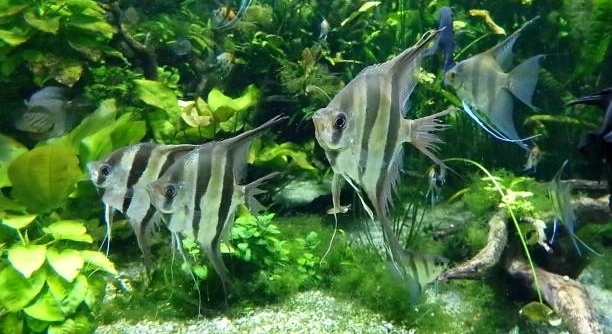
Angelfish are popular and beautiful aquarium fish, but sometimes they exhibit unusual behavior. One common occurrence is blinking, which can leave owners concerned or curious about its cause.
Blinking in angelfish can be attributed to a range of reasons, including health issues, environmental factors, or even natural behaviors. It may signify stress, irritation, or physical discomfort from poor water quality or an underlying health problem.
Knowing the causes behind blinking can help you create a more comfortable environment for your angelfish. Understanding these reasons will give you better control over your fish’s well-being and may help you address any issues early on.
Poor Water Quality
One of the main reasons for your angelfish’s blinking behavior could be poor water quality. Angelfish are very sensitive to their environment, and if the water is dirty or has an imbalance in pH, ammonia, or nitrites, it can lead to discomfort. When these conditions exist, fish often try to blink or squint as a way to deal with irritation in their eyes or gills. Poor water quality can also cause stress, which contributes to abnormal behaviors like blinking.
Keeping your tank clean and regularly testing the water parameters can help prevent this issue. Regular water changes and proper filtration will improve the overall health of your angelfish, leading to a more peaceful and active fish.
If you notice your angelfish blinking frequently, it may be time to assess the water quality. Make sure your tank’s filtration system is working correctly, and avoid overcrowding the tank. It’s always a good idea to test the water and adjust any imbalances you may find.
Stress
Stress is another possible reason why your angelfish might be blinking more than usual. This could happen due to changes in the tank, sudden environmental shifts, or interactions with other fish. Angelfish are sensitive to loud noises, rapid movements, and even aggressive tankmates, which can all lead to stress.
If your fish feels threatened or uncomfortable in its environment, it may start blinking as a way to express its unease. Make sure your angelfish’s tank is peaceful, and monitor interactions with other fish. Reducing stress can go a long way in helping them feel safe and secure.
Illness or Injury
If your angelfish is blinking more than usual, it could be a sign of illness or injury. Fish often exhibit abnormal behaviors when they are not feeling well. If there’s any sign of swelling, lesions, or discolored patches, it’s important to act fast.
Common illnesses like fin rot, eye infections, or parasites can cause blinking. Injuries from rough tank mates or sharp objects may also irritate your angelfish’s eyes, causing them to blink more often. Pay close attention to any other symptoms such as lethargy or loss of appetite, which can indicate something more serious.
If you suspect your angelfish is sick or injured, isolating it in a hospital tank and consulting a vet with experience in fish care can help determine the best course of treatment. Early intervention is key to preventing further complications.
Water Temperature
Angelfish thrive in specific water temperatures, typically between 76°F and 82°F. If the water is too hot or too cold, it can make your angelfish uncomfortable, which may cause blinking. Extreme temperatures can cause stress or even weaken the immune system of your fish.
Maintaining a stable water temperature is crucial for the well-being of your angelfish. Sudden changes in temperature, like fluctuations from the heater or drafts, can lead to blinking and other signs of distress. Using a reliable aquarium thermometer to regularly check the water’s temperature can help prevent temperature-related issues.
If you find that the temperature is unstable, consider using a more efficient heater or adjusting your aquarium’s location to avoid external temperature changes. Keeping the environment steady will help your angelfish feel more comfortable and reduce blinking.
Overcrowded Tank
An overcrowded tank can lead to stress for your angelfish, causing them to blink more often. When fish are kept in cramped conditions, they become more territorial and may experience constant pressure from tankmates. This can trigger various stress responses.
If your tank is too crowded, your angelfish might be forced to compete for food or space, which increases their stress levels. Additionally, the water quality in overcrowded tanks deteriorates faster, leading to other potential health problems. To keep your angelfish healthy and reduce blinking, ensure that your tank has enough space and proper filtration.
Water Chemistry
Fluctuations in water chemistry can cause blinking in angelfish. Changes in pH, hardness, or ammonia levels can irritate their gills and eyes. Fish are sensitive to these shifts and will show signs of distress.
Test your water regularly to ensure the parameters are stable. Maintaining the correct pH and hardness levels specific to angelfish is crucial for their health. Water chemistry issues can be easily avoided with consistent testing and proper maintenance, making your angelfish’s environment much more comfortable.
Tank Lighting
Bright or sudden changes in tank lighting may lead to blinking in angelfish. Some fish are sensitive to light intensity or rapid changes in their light environment, which can irritate their eyes.
If you notice your angelfish blinking after the lights are turned on or off, consider adjusting the light levels in your tank. Keeping the lighting steady and ensuring it’s not too bright or harsh will create a more peaceful environment for your fish, reducing unnecessary stress.
FAQ
Why is my angelfish blinking its eyes repeatedly?
Blinking can be a sign of irritation or discomfort in angelfish. It’s often caused by poor water quality, such as high levels of ammonia or nitrites, which can irritate their eyes and gills. This behavior may also occur due to stress from overcrowding, tankmates, or sudden changes in their environment. If the blinking is accompanied by other signs, like lethargy or loss of appetite, it could indicate illness or injury. Regular water testing, maintaining a stable tank environment, and ensuring the fish are not stressed can help reduce this behavior.
How can I tell if my angelfish has an eye infection?
Eye infections in angelfish can cause them to blink more than usual. You may notice that one or both eyes appear swollen, cloudy, or have a film over them. If the eye looks red or has visible damage, an infection could be present. It’s also possible that the angelfish may have difficulty seeing or swimming properly if the infection is severe. Isolating the affected fish and treating it with aquarium-safe antibiotics can help prevent further damage. If you’re unsure, a visit to a vet who specializes in fish care is always a good option.
Could my angelfish be blinking because it’s stressed?
Yes, stress is a common cause of blinking in angelfish. When angelfish feel threatened, whether by aggressive tankmates, loud noises, or a sudden change in water conditions, they may blink more often as a sign of discomfort. Stress can also lead to other symptoms like loss of appetite or rapid swimming. To reduce stress, make sure your tank is peaceful, with compatible tankmates and a stable environment. Creating hiding spots and ensuring the water quality is optimal can help calm the fish and reduce blinking.
Is it normal for angelfish to blink when they’re eating?
It’s not uncommon for angelfish to blink while eating, especially if they’re excited or focused on food. However, excessive blinking during feeding time could indicate irritation, especially if there are water quality issues or the fish has an infection. Keep an eye on their behavior and look for other signs of distress. If blinking continues outside of feeding times, it could be due to environmental stressors or illness. Ensuring the fish are eating properly and that their food is clean and safe can also help reduce any irritation.
Can a water change fix my angelfish’s blinking?
Yes, a water change can help resolve blinking caused by poor water quality. When the water is high in harmful substances like ammonia or nitrates, angelfish can experience eye irritation or stress, which may cause them to blink. A partial water change helps remove these toxins and refresh the tank’s environment. Be sure to check the water parameters before and after the change to ensure the conditions are suitable for your angelfish. Regular water changes and proper filtration can prevent many of the issues that cause blinking.
How often should I change the water to avoid blinking in angelfish?
To prevent blinking due to poor water quality, it’s recommended to change about 20-30% of the tank’s water every week. This helps maintain water cleanliness and balance, ensuring that harmful chemicals like ammonia and nitrites do not build up. If you have a larger tank or more fish, you may need to adjust the frequency of water changes accordingly. Always test the water before and after a water change to ensure the pH, ammonia, nitrite, and nitrate levels are within a safe range for your angelfish.
Can overfeeding cause angelfish to blink?
Yes, overfeeding can lead to poor water quality, which may cause your angelfish to blink. When too much food is added to the tank, uneaten food decays and raises the levels of ammonia and nitrites in the water, creating an unhealthy environment. This can irritate the fish’s eyes and gills, leading to blinking. To avoid this, feed your angelfish small amounts of food they can consume within a few minutes. Regularly remove any uneaten food from the tank to maintain water quality and reduce the likelihood of blinking.
Could my angelfish blink because the water temperature is wrong?
Yes, angelfish are sensitive to water temperature, and if it’s too high or low, it can cause them to blink. If the water temperature is outside the range of 76°F to 82°F, your angelfish may experience stress, which can lead to blinking. Sudden changes in temperature can also be harmful, so it’s important to maintain a stable environment. Using an aquarium heater with a thermostat will help keep the temperature consistent and prevent stress-related blinking.
What should I do if my angelfish has sustained an injury?
If your angelfish has an injury, such as a scratch or tear from tankmates or decorations, it may blink as a result of discomfort or irritation. Clean the wound gently with aquarium-safe treatment or salt baths, and isolate the fish in a separate tank if necessary to prevent further harm. Monitor the injury for signs of infection, such as swelling or redness, and treat it with the appropriate medications. Ensure the water quality in the tank is optimal to promote healing. Most small injuries heal on their own with proper care.
Can other fish in the tank cause my angelfish to blink?
Yes, aggressive or territorial fish can cause stress, which may lead to blinking. Angelfish are peaceful but may become stressed if they are constantly harassed or bullied by more dominant tankmates. If you notice other fish acting aggressively toward your angelfish, consider rearranging the tank, adding more hiding spots, or relocating the aggressive fish. Ensuring your tank has compatible species and enough space can help prevent stress-related blinking caused by other fish. Always observe your angelfish’s interactions with its tankmates to identify potential sources of distress.
Final Thoughts
Understanding why your angelfish is blinking can help you address any issues they may be facing. While blinking is often a normal behavior, it can sometimes be a sign that something isn’t quite right. Poor water quality, stress, and illness are some of the most common causes of blinking. By keeping a close eye on your fish and regularly checking the tank environment, you can easily spot problems before they become serious. A stable and clean environment goes a long way in ensuring your angelfish stay healthy and happy.
It’s also important to remember that angelfish, like many aquarium fish, are sensitive to changes in their environment. Stress can come from several sources, including overcrowded tanks, aggressive tankmates, or even rapid changes in temperature and lighting. Addressing these factors can help minimize the blinking behavior and create a more comfortable home for your angelfish. If you notice blinking along with other symptoms like lethargy or loss of appetite, it’s a good idea to isolate the fish and consider consulting a vet. Early intervention can help prevent more serious health problems.
In summary, while blinking may seem like a small issue, it’s always best to investigate and make sure your angelfish is not facing an underlying problem. Regular water maintenance, monitoring their behavior, and ensuring the right tank conditions can make a significant difference. By staying proactive, you can enjoy the beauty of your angelfish without worrying about potential health issues. Keeping the water clean, stable, and stress-free will help your fish thrive for a long time.

Hello,
If you enjoy the content that we create, please consider saying a "Thank You!" by leaving a tip.
Every little bit helps us continue crafting quality advice that supports the health, happiness, and well-being of pets around the world, for pets of all shapes, sizes, and species.
We really appreciate the kindness and support that you show us!